

Direct Cell Nutrition
  • Home
  • Categories
    • Oxygen and Energy
    • Hormones and Libido
    • Inflammation and Immunity
    • Brain and Mood
    • Gut and Detox
    • Longevity and Aging
    • Women's Health
    • Men's Health
November 07.2026
3 Minutes Read

Why You're Still Hungry After Eating: Unpacking the Truth

Middle-aged man discussing why you're still hungry after eating in a podcast studio.

Why Do We Still Feel Hungry?

After finishing a meal, many of us experience the confusing sensation of still feeling hungry. This phenomenon isn't just a matter of eating less than we need; it can involve a range of biological and psychological factors at play that determine our satisfaction with food. Understanding why we still feel hungry after eating is not only essential for tackling the issue of unnecessary snacking but can also help us make better decisions about our health and dietary choices. Let's delve into this intriguing subject.

We came across 'WHY YOU'RE STILL HUNGRY AFTER EATING', which covers various biological and emotional factors impacting hunger, and it raised some compelling points that we’re expanding on in this article.

The Biological Triggers of Hunger

Hunger is not just a simple feeling; it's affected by various hormones and nutrients in our bodies. Ghrelin, often referred to as the 'hunger hormone,' is produced in the stomach, signaling our brain when it's time to eat. When we eat, levels of another hormone, leptin, typically rise to help us feel full. However, if our meals are lacking in nutrients or overall calories, these hormone levels can become unbalanced, leading to that pesky feeling of hunger even after consuming food.

The Role of Nutrient Quality

Not all foods are created equal when it comes to satisfying our hunger. Whole, nutrient-dense foods like vegetables, lean proteins, and whole grains generally promote better satiety than processed foods. Foods high in sugar and refined carbs can lead to quick spikes and drops in blood sugar, triggering hunger soon after a meal. Exploring the differences in food types is crucial for understanding how to curb those extra hunger pangs.

Emotional and Situational Factors

It's common to eat for reasons beyond physical hunger. Many people turn to food as a comfort during stress or emotional hardship, leading to eating habits that don’t align with their physical needs. Busy executives, overwhelmed by their schedules, often grab quick snacks instead of watching their hunger cues. Recognizing when eating is truly about hunger or is influenced by emotions is a key step in fostering a healthier relationship with food.

Bio Hacks for Better Hunger Control

To help alleviate feelings of hunger post-meal, incorporating certain bio hacks into your daily routine can work wonders. Longevity expert Gary Brecka emphasizes the importance of metabolic health and suggests strategies such as intermittent fasting to allow your body to reset and better gauge its hunger signals. Adding hydrogen water into your daily routine has been suggested to enhance hydration status and overall energy levels, potentially curbing unnecessary cravings.

Keeping Mitochondria Healthy

Your mitochondria, the powerhouse cells of your body, play a vital role in how effectively your body utilizes the food it receives. Improving mitochondrial health can result in more efficient energy production and improved hunger regulation. Simple steps like improving sleep quality, reducing high insulin resistance, and incorporating glutathione-boosting foods can enhance mitochondrial function and overall health.

Practical Tips for Managing Hunger

There are actionable insights we can all implement to tackle lingering hunger effectively. Here are some tips designed to help you feel more satisfied after meals:

  • Choose high-fiber foods: Foods rich in fiber keep you fuller for longer. Think beans, legumes, and vegetables.
  • Stay hydrated: Often, we mistake thirst for hunger. Drinking water throughout the day can help mitigate those feelings.
  • Mindful Eating: Taking the time to truly savor your meals can help you recognize feelings of fullness.

By being mindful of your eating habits and understanding the underlying triggers of hunger, you can begin to control those cravings and foster a healthier lifestyle.

Time for a Change!

Understanding the nuances of hunger after eating is crucial for achieving optimal health. Implementing these tips and bio hacks into your daily routine might be just what you need to get energized and ensure that you’re making the most of the meals you consume. Keep exploring reputable podcasts, like those featuring Gary Brecka, and learn more about how to achieve not just satisfaction after meals, but also longevity in your daily health journey!
Longevity and Aging

3 Views

0 Comments

Write A Comment

*
*
Please complete the captcha to submit your comment.
Related Posts All Posts
11.06.2026

Unraveling the COMISA Phenomenon: Triple Heart Disease Risks from Insomnia & Sleep Apnea

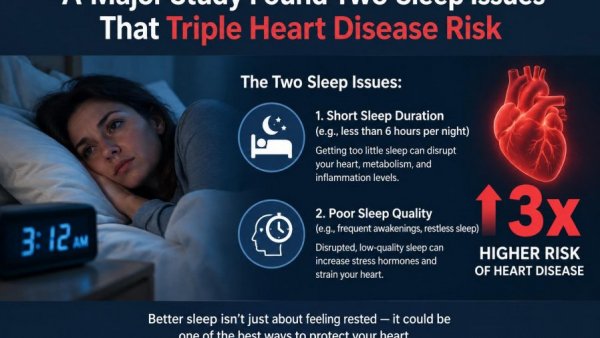
Update Understanding COMISA: The Hidden Connection Between Sleep Disorders Living with poor sleep might seem like a minor inconvenience, but as recent research suggests, it can be a silent killer. The condition dubbed COMISA—coexisting insomnia and obstructive sleep apnea—is more damaging than previously understood. A staggering study involving nearly one million U.S. Veterans found that those suffering from both ailments had over three times the risk of developing cardiovascular disease compared to those without sleep disorders. The Science Behind Sleep and Heart Health In simple terms, sleep disorders can wreak havoc on cardiovascular health. Healthy sleep allows for a natural dip in heart rate and blood pressure, facilitating the restoration of the heart and its functions. However, conditions like insomnia and sleep apnea disrupt this rest. Sleep apnea leads to episodic drops in oxygen, causing the heart to work harder, while insomnia keeps the body in a heightened state of alertness, provoking inflammation and chronic stress. Together, they create a "perfect storm" that puts extreme pressure on the heart. Identifying the Symptoms of COMISA Many people may not even realize they have sleep apnea, as the symptoms can be both subtle and easily dismissed. If you find yourself waking up feeling exhausted despite adhering to sleep hygiene practices, it’s time to dig deeper. Key indicators of COMISA include difficulty falling asleep, waking frequently during the night, and loud snoring or gasping. Importantly, those who share a bed with someone should consider asking their partner about any irregular sleep behaviors, as those observations can provide crucial insight. Recognizing these signs early often leads to better outcomes. Pathways to Better Sleep and Heart Health The good news is that there are solutions available. Once diagnosed, insomnia can be treated effectively through Cognitive Behavioral Therapy for Insomnia (CBT-I), which has shown significant success in helping individuals develop better sleep patterns. This therapy focuses on changing thoughts and behaviors around sleep, creating more effective habits. For sleep apnea, treatments such as CPAP (continuous positive airway pressure) machines can drastically improve breathing during sleep, paving the way for restful nights and healthier hearts. Moreover, lifestyle changes can also play an essential role in managing these conditions. Maintaining a healthy diet, engaging in regular physical activity, and avoiding stimulants such as caffeine or nicotine before bed can help improve overall sleep quality. Integrating relaxation techniques, such as mindfulness or gentle yoga, may also promote better sleep. It’s crucial to talk to your healthcare provider if you suspect you may have COMISA; they can guide you toward appropriate diagnostic tests and effective treatment options. Just like blood pressure and cholesterol checks, evaluating your sleep should be a routine part of your health management. The Importance of Addressing Sleep Disorders This study underscores the importance of prioritizing sleep not merely for energy but as a vital component of heart health. In a society where sleep deprivation is increasingly normalized, it’s essential to recognize the implications for our cardiovascular health. The long-term impacts of chronic sleep issues, such as heart disease, diabetes, and other serious health conditions, remind us that our overall wellness hinges on good sleep hygiene. Finding a dependable sleep routine can be transformative for many, including those with demanding jobs or hectic home lives. Often, simple changes such as establishing a consistent bedtime, creating a calming pre-sleep routine, or even lowering screen time can make a significant difference. With effective treatments and awareness, individuals can reclaim their health, prevent long-term complications, and lead fuller lives. In a world filled with distractions, it’s time we take sleep seriously. Whether you’re interested in natural insomnia remedies or need help curating a sustainable lifestyle, understanding the link between your sleep and your heart is a step toward a healthier future. Prioritizing sleep is not just about the immediate benefit of feeling more awake and alert; it’s about investing in your heart health for the long run. Don’t hesitate to seek help!

11.05.2026

Discover How Improved Sleep Quality Can Lower Cancer Risk Significantly

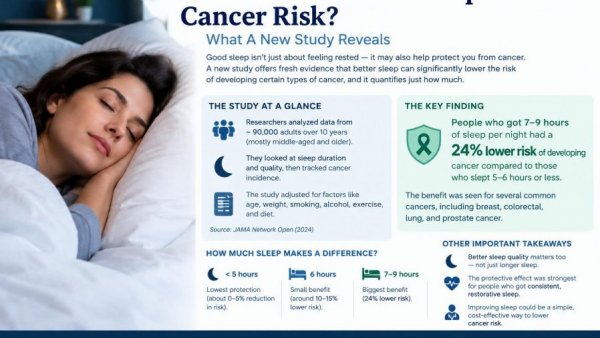
Update The Sleep Connection: How Improving Sleep Quality Could Lower Cancer Risks In recent years, scientific research has heralded sleep as a cornerstone of our overall health. We know it fuels our energy levels, stabilizes our mood, and enhances cognitive abilities. However, a groundbreaking study presented at Digestive Disease Week 2026 takes this knowledge a step further, highlighting a fascinating correlation between sleep quality and reduced cancer risks. This new insight could hold profound implications for health-conscious adults. Understanding the Study: A Closer Look at the Data This intriguing study analyzed data from over 472,000 adults within the UK Biobank, a vast health resource that provides insights into public health trends. Researchers formulated a sleep health score by assessing five critical dimensions of sleep, which included not only the quantity of sleep but also quality indicators like restfulness and frequency of disturbances. By categorizing participants into groups ranging from healthy sleep (scores of 4 or higher) to poor sleep (1 or lower), they could draw important conclusions about the relationship between sleep and cancer risks. Linking Sleep Quality with Cancer Risk: The Findings What emerged from this in-depth analysis is compelling: participants with healthier sleep patterns exhibited a strikingly lowered risk for various cancers. For example, those boasting healthy sleep scores faced a 36% lower risk of liver cancer and a 14% reduction in lung cancer risk compared to their poorly sleeping counterparts. The researchers went on to further probe this connection, identifying a unique 'sleep proteomic score' derived from 303 distinct plasma proteins. The Five Pillars of Healthy Sleep: Beyond Just Quantity Rather than merely advising readers to aim for eight hours of sleep nightly, this study encourages a more nuanced understanding of sleep quality. The five essential traits that contributed to a healthy sleep score are critical for comprehending how sleep impacts our overall health. Factors such as sleep duration, continuity, depth, timing, and satisfaction all play a role in establishing a holistic approach to sleep quality. Practical Tips for Enhancing Sleep Quality While the research presented here does not claim that improving sleep alone wipes out cancer risk, it undeniably emphasizes the fundamental role of sleep in nurturing our wellbeing. Here are practical, evidence-backed strategies to enhance sleep quality: Create a Sleep Schedule: Aim to go to bed and wake up at the same time every day to stabilize your body’s internal clock. Optimize Your Sleep Environment: Make your bedroom a sanctuary for sleep by keeping it dark, quiet, and cool. Limit Screen Time Before Bed: Reduce blue light exposure by avoiding screens an hour before bedtime to improve sleep onset. Focus on Relaxation Techniques: Incorporate practices such as meditation, gentle yoga, or deep-breathing exercises to calm the mind before sleep. Pay Attention to Diet: Eating foods that support sleep, such as those rich in magnesium or omega-3 fatty acids, can promote better rest. The Takeaway: Why Sleep Matters to Your Health This innovative research invites us to reevaluate our sleep habits and their potential health implications. While more studies are needed to fully understand the mechanisms linking sleep and cancer risk through biological pathways, prioritizing sleep across its five dimensions stands out as a practical takeaway for holistic wellness. In a world where health is increasingly understood as a multifaceted equation, discovering how to promote better sleep may very well be one of the simplest paths to reducing long-term health risks. Final Thoughts: Take Action for Better Health In conclusion, while the connection between improved sleep quality and lower cancer risk is still being explored, this study opens the door for conversations about health and wellness. By integrating effective sleep practices into your daily routine, you embrace an accessible way to support your long-term health. As you prioritize sleep in your life, consider also integrating other sustainable lifestyle choices, like opting for eco-friendly brands or reducing plastic usage, to holistically enhance your wellbeing.

11.04.2026

Unveiling S1PC: The Aging Compound from Aged Garlic for Muscle Health

Update Unlocking the Secrets of Aging and Muscle HealthAs we age, the quest for maintaining vigor and vitality often leads us to explore every nook and cranny of the health and wellness discourse. Recently, one compound that has piqued interest is S-1-propenyl-L-cysteine (S1PC), a nutrient found in aged garlic extracts. While the phenomenon of longevity is popularly associated with NAD+—a vital metabolite for mitochondrial function and, consequently, longevity—research indicates that S1PC presents novel pathways to preserving muscle health as we age.What We’ve Learned About S1PCA recent study published in Cell Metabolism has swept the health community with its findings on S1PC. It plays a critical role in energy metabolism and has connections to muscle strength. In mice, S1PC appears to initiate a chain reaction that activates signals in fat tissue leading to increased levels of eNAMPT, a protein crucial for NAD+ maintenance. This mechanism, which sounds quite intricate, is vital; it leads to better communication between the brain and skeletal muscles, enhancing muscle function even when the size of the muscles remains unchanged.How Does S1PC Influence Aging?What stands out is that the improvements in muscle quality and function seen in aged mice given S1PC suggest that preserving muscle isn’t merely about exercise but also involves brain signaling pathways. By facilitating higher levels of eNAMPT, S1PC could instigate a fortified muscular response from the brain, showcasing an emerging understanding of muscle health that intersects fat and brain pathways.Human Trials: A Step ForwardThe study involving human participants aged 40 and older adds an exciting layer to our understanding. After taking S1PC, participants exhibited elevated eNAMPT levels, hinting that the advantageous signaling pathways observed in mice might also manifest in humans. However, the researchers caution that this is merely an early biological signal and not necessarily indicative of improved musculoskeletal functions just yet.Benefits Beyond Muscle: A Holistic View of AgingThis emerging science positions S1PC as a vital player in the complex puzzle of health as we age. By addressing eNAMPT levels and exploring its cascading effects on brain and muscle communication, we begin to appreciate the interplay of different body systems in our quest for a sustainable lifestyle. These insights extend beyond just nutritional supplements; they emphasize the importance of viewing physical health through a holistic lens.Approaching Wellness with a Sustainable MindsetThe importance of a holistic approach cannot be overstated, particularly for those investing in longevity. Integrating nutritious compounds such as aged garlic extract into a well-rounded diet, alongside sustainable lifestyle choices, can lead to longer life free of impairment. Local and ethical consumption, like exploring the best eco-friendly brands in Australia or opting for reusable food storage containers, reinforces personal wellness while also honoring the environment.Empowering Choices for Health and LongevityOur health choices extend beyond the supplements we take to how we live day to day. As we contemplate S1PC and its implications for muscle function, let’s also consider how our everyday decisions—from the food we eat to the companies we support—play a central role in our narrative of wellness.In conclusion, the findings around S1PC invite us to broaden our understanding of healthy aging. The intricate relationships between fat, brain function, and muscle health unveil exciting opportunities to embrace longevity. As a savvy consumer, you have the power to seek knowledge, utilize effective compounds, and contribute to sustainability.

Direct Cell Nutrition News

Addressing the root causes of ATP production, oxygen deficiency, inflammation, toxicity, and hormone collapse – through high-bioavailability protocols.

COMPANY

  • Privacy Policy
  • Terms of Use
  • Advertise
  • Contact Us
  • Menu 5
  • Menu 6

PROVIDING ONLINE

Health & Wellness

Solutions

www.directcellnutrition.com

ABOUT US

Direct Cell Nutrition leads the shift toward absorption-first wellness, rooted in plant based delivery systems and cellular intelligence. Our mission is to educate, empower, and elevate those seeking real health solutions from the inside out.

© 2026 Direct Cell Nutrition All Rights Reserved. Providing Online, Health, And Wellness . Contact Us . Terms of Service . Privacy Policy

eyJjb21wYW55IjoiRGlyZWN0IENlbGwgTnV0cml0aW9uIiwiYWRkcmVzcyI6IlByb3ZpZGluZyBPbmxpbmUiLCJjaXR5IjoiSGVhbHRoIiwic3RhdGUiOiJBbmQiLCJ6aXAiOiJXZWxsbmVzcyIsImVtYWlsIjoiYWRtaW5AZGlyZWN0Y2VsbG51dHJpdGlvbi5jb20iLCJ0b3MiOiJQSEErUEhOMGNtOXVaejQ4WlcwK1YyaGxiaUI1YjNVZ2MybG5iaTFwYmlCM2FYUm9JSFZ6TENCNWIzVWdZWEpsSUdkcGRtbHVaeVp1WW5Od095QjViM1Z5SUhCbGNtMXBjM05wYjI0Z1lXNWtJR052Ym5ObGJuUWdkRzhnYzJWdVpDQjViM1VnWlcxaGFXd2dZVzVrTDI5eUlGTk5VeUIwWlhoMElHMWxjM05oWjJWekxpQkNlU0JqYUdWamEybHVaeUIwYUdVZ1ZHVnliWE1nWVc1a0lFTnZibVJwZEdsdmJuTWdZbTk0SUdGdVpDQmllU0J6YVdkdWFXNW5JR2x1SUhsdmRTQmhkWFJ2YldGMGFXTmhiR3g1SUdOdmJtWnBjbTBnZEdoaGRDQjViM1VnWVdOalpYQjBJR0ZzYkNCMFpYSnRjeUJwYmlCMGFHbHpJR0ZuY21WbGJXVnVkQzQ4TDJWdFBqd3ZjM1J5YjI1blBqd3ZjRDRLQ2p4d1BqeGhJR2h5WldZOUltaDBkSEE2THk5M2QzY3VaMjl2WjJ4bExtTnZiU0krYUhSMGNEb3ZMM2QzZHk1bmIyOW5iR1V1WTI5dFBDOWhQand2Y0Q0S0NqeHdQaVp1WW5Od096d3ZjRDRLQ2p4d1BqeHpkSEp2Ym1jK1UwVlNWa2xEUlR3dmMzUnliMjVuUGp3dmNENEtDanh3UGxkbElIQnliM1pwWkdVZ1lTQnpaWEoyYVdObElIUm9ZWFFnWTNWeWNtVnVkR3g1SUdGc2JHOTNjeUI1YjNVZ2RHOGdjbVZqWldsMlpTQnlaWEYxWlhOMGN5Qm1iM0lnWm1WbFpHSmhZMnNzSUdOdmJYQmhibmtnYVc1bWIzSnRZWFJwYjI0c0lIQnliMjF2ZEdsdmJtRnNJR2x1Wm05eWJXRjBhVzl1TENCamIyMXdZVzU1SUdGc1pYSjBjeXdnWTI5MWNHOXVjeXdnWkdselkyOTFiblJ6SUdGdVpDQnZkR2hsY2lCdWIzUnBabWxqWVhScGIyNXpJSFJ2SUhsdmRYSWdaVzFoYVd3Z1lXUmtjbVZ6Y3lCaGJtUXZiM0lnWTJWc2JIVnNZWElnY0dodmJtVWdiM0lnWkdWMmFXTmxMaUJaYjNVZ2RXNWtaWEp6ZEdGdVpDQmhibVFnWVdkeVpXVWdkR2hoZENCMGFHVWdVMlZ5ZG1salpTQnBjeUJ3Y205MmFXUmxaQ0FtY1hWdmREdEJVeTFKVXlaeGRXOTBPeUJoYm1RZ2RHaGhkQ0IzWlNCaGMzTjFiV1VnYm04Z2NtVnpjRzl1YzJsaWFXeHBkSGtnWm05eUlIUm9aU0IwYVcxbGJHbHVaWE56TENCa1pXeGxkR2x2Yml3Z2JXbHpMV1JsYkdsMlpYSjVJRzl5SUdaaGFXeDFjbVVnZEc4Z2MzUnZjbVVnWVc1NUlIVnpaWElnWTI5dGJYVnVhV05oZEdsdmJuTWdiM0lnY0dWeWMyOXVZV3hwZW1GMGFXOXVJSE5sZEhScGJtZHpMand2Y0Q0S0NqeHdQbGx2ZFNCaGNtVWdjbVZ6Y0c5dWMybGliR1VnWm05eUlHOWlkR0ZwYm1sdVp5QmhZMk5sYzNNZ2RHOGdkR2hsSUZObGNuWnBZMlVnWVc1a0lIUm9ZWFFnWVdOalpYTnpJRzFoZVNCcGJuWnZiSFpsSUhSb2FYSmtJSEJoY25SNUlHWmxaWE1nS0hOMVkyZ2dZWE1nVTAxVElIUmxlSFFnYldWemMyRm5aWE1zSUVsdWRHVnlibVYwSUhObGNuWnBZMlVnY0hKdmRtbGtaWElnYjNJZ1kyVnNiSFZzWVhJZ1lXbHlkR2x0WlNCamFHRnlaMlZ6S1M0Z1dXOTFJR0Z5WlNCeVpYTndiMjV6YVdKc1pTQm1iM0lnZEdodmMyVWdabVZsY3l3Z2FXNWpiSFZrYVc1bklIUm9iM05sSUdabFpYTWdZWE56YjJOcFlYUmxaQ0IzYVhSb0lIUm9aU0JrYVhOd2JHRjVJRzl5SUdSbGJHbDJaWEo1SUc5bUlHVmhZMmdnVTAxVElIUmxlSFFnYldWemMyRm5aU0J6Wlc1MElIUnZJSGx2ZFNCaWVTQjFjeTRnU1c0Z1lXUmthWFJwYjI0c0lIbHZkU0J0ZFhOMElIQnliM1pwWkdVZ1lXNWtJR0Z5WlNCeVpYTndiMjV6YVdKc1pTQm1iM0lnWVd4c0lHVnhkV2x3YldWdWRDQnVaV05sYzNOaGNua2dkRzhnWVdOalpYTnpJSFJvWlNCVFpYSjJhV05sSUdGdVpDQnlaV05sYVhabElIUm9aU0JUVFZNZ2RHVjRkQ0J0WlhOellXZGxjeTRnVjJVZ1pHOGdibTkwSUdOb1lYSm5aU0JoYm5rZ1ptVmxjeUJtYjNJZ1pHVnNhWFpsY25rZ2IyWWdaVzFoYVd3Z2IzSWdVMDFUTGlCVWFHbHpJR2x6SUdFZ1puSmxaU0J6WlhKMmFXTmxJSEJ5YjNacFpHVmtJR0o1SUhWekxpQkliM2RsZG1WeUxDQndiR1ZoYzJVZ1kyaGxZMnNnZDJsMGFDQjViM1Z5SUdsdWRHVnlibVYwSUhObGNuWnBZMlVnY0hKdmRtbGtaWElnWVc1a0lHTmxiR3gxYkdGeUlHTmhjbkpwWlhJZ1ptOXlJR0Z1ZVNCamFHRnlaMlZ6SUhSb1lYUWdiV0Y1SUdsdVkzVnlJR0Z6SUdFZ2NtVnpkV3gwSUdaeWIyMGdjbVZqWldsMmFXNW5JR1Z0WVdsc0lHRnVaQ0JUVFZNZ2RHVjRkQ0J0WlhOellXZGxjeUIwYUdGMElIZGxJR1JsYkdsMlpYSWdkWEJ2YmlCNWIzVnlJRzl3ZEMxcGJpQmhibVFnY21WbmFYTjBjbUYwYVc5dUlIZHBkR2dnYjNWeUlHVnRZV2xzSUdGdVpDQlRUVk1nYzJWeWRtbGpaWE11SUZsdmRTQmpZVzRnWTJGdVkyVnNJR0YwSUdGdWVTQjBhVzFsTGlCS2RYTjBJSFJsZUhRZ0puRjFiM1E3VTFSUFVDWnhkVzkwT3lCMGJ5WnVZbk53T3p4b2FXZG9iR2xuYUhRZ1kyeGhjM005SW1OdmJYQmhibmxUVFZOUWFHOXVaVlZ3WkdGMFpTSStiblZzYkR3dmFHbG5hR3hwWjJoMFBpNGdRV1owWlhJZ2VXOTFJSE5sYm1RZ2RHaGxJRk5OVXlCdFpYTnpZV2RsSUNaeGRXOTBPMU5VVDFBbWNYVnZkRHNnZEc4Z2RYTXNJSGRsSUhkcGJHd2djMlZ1WkNCNWIzVWdZVzRnVTAxVElHMWxjM05oWjJVZ2RHOGdZMjl1Wm1seWJTQjBhR0YwSUhsdmRTQm9ZWFpsSUdKbFpXNGdkVzV6ZFdKelkzSnBZbVZrTGlCQlpuUmxjaUIwYUdsekxDQjViM1VnZDJsc2JDQnVieUJzYjI1blpYSWdjbVZqWldsMlpTQlRUVk1nYldWemMyRm5aWE1nWm5KdmJTQjFjeTQ4TDNBK0NnbzhjRDQ4YzNSeWIyNW5QbGxQVlZJZ1VrVkhTVk5VVWtGVVNVOU9JRTlDVEVsSFFWUkpUMDVUUEM5emRISnZibWMrUEM5d1Bnb0tQSEErU1c0Z1kyOXVjMmxrWlhKaGRHbHZiaUJ2WmlCNWIzVnlJSFZ6WlNCdlppQjBhR1VnVTJWeWRtbGpaU3dnZVc5MUlHRm5jbVZsSUhSdk9qd3ZjRDRLQ2p4dmJENEtDVHhzYVQ1d2NtOTJhV1JsSUhSeWRXVXNJR0ZqWTNWeVlYUmxMQ0JqZFhKeVpXNTBJR0Z1WkNCamIyMXdiR1YwWlNCcGJtWnZjbTFoZEdsdmJpQmhZbTkxZENCNWIzVnljMlZzWmlCaGN5QndjbTl0Y0hSbFpDQmllU0IwYUdVZ1UyVnlkbWxqWlNZak16azdjeUJ5WldkcGMzUnlZWFJwYjI0Z1ptOXliU0FvYzNWamFDQnBibVp2Y20xaGRHbHZiaUJpWldsdVp5QjBhR1VnSm5GMWIzUTdVbVZuYVhOMGNtRjBhVzl1SUVSaGRHRW1jWFZ2ZERzcElHRnVaRHd2YkdrK0NnazhiR2srYldGcGJuUmhhVzRnWVc1a0lIQnliMjF3ZEd4NUlIVndaR0YwWlNCMGFHVWdVbVZuYVhOMGNtRjBhVzl1SUVSaGRHRWdkRzhnYTJWbGNDQnBkQ0IwY25WbExDQmhZMk4xY21GMFpTd2dZM1Z5Y21WdWRDQmhibVFnWTI5dGNHeGxkR1V1SUVsbUlIbHZkU0J3Y205MmFXUmxJR0Z1ZVNCcGJtWnZjbTFoZEdsdmJpQjBhR0YwSUdseklIVnVkSEoxWlN3Z2FXNWhZMk4xY21GMFpTd2dibTkwSUdOMWNuSmxiblFnYjNJZ2FXNWpiMjF3YkdWMFpTd2diM0lnZDJVZ2FHRjJaU0J5WldGemIyNWhZbXhsSUdkeWIzVnVaSE1nZEc4Z2MzVnpjR1ZqZENCMGFHRjBJSE4xWTJnZ2FXNW1iM0p0WVhScGIyNGdhWE1nZFc1MGNuVmxMQ0JwYm1GalkzVnlZWFJsTENCdWIzUWdZM1Z5Y21WdWRDQnZjaUJwYm1OdmJYQnNaWFJsTENCM1pTQm9ZWFpsSUhSb1pTQnlhV2RvZENCMGJ5QnpkWE53Wlc1a0lHOXlJRHh6ZEhKdmJtYytQSE53WVc0Z2MzUjViR1U5SW1OdmJHOXlPaU5HUmpBd01EQTdJajUwWlhKdGFXNWhkR1VnZVc5MWNpQmhZMk52ZFc1MEwzQnliMlpwYkdVZ1lXNWtJSEpsWm5WelpTQmhibmtnWVc1a0lHRnNiQ0JqZFhKeVpXNTBJRzl5SUdaMWRIVnlaU0IxYzJVZ2IyWWdkR2hsSUZObGNuWnBZMlVnS0c5eUlHRnVlU0J3YjNKMGFXOXVJSFJvWlhKbGIyWXBMand2YzNCaGJqNDhMM04wY205dVp6NDhMMnhwUGdvOEwyOXNQZ29LUEhBK0ptNWljM0E3UEM5d1BnbzhhR2xuYUd4cFoyaDBJR05zWVhOelBTSmpiMjF3WVc1NVRtRnRaVlZ3WkdGMFpTSStSR2x5WldOMElFTmxiR3dnVG5WMGNtbDBhVzl1UEM5b2FXZG9iR2xuYUhRK1BHSnlJQzgrQ2p4b2FXZG9iR2xuYUhRZ1kyeGhjM005SW1OdmJYQmhibmxCWkdSeVpYTnpWWEJrWVhSbElqNVFjbTkyYVdScGJtY2dUMjVzYVc1bExDQklaV0ZzZEdnc0lFRnVaQ0JYWld4c2JtVnpjend2YUdsbmFHeHBaMmgwUGp4aWNpQXZQZ284YUdsbmFHeHBaMmgwSUdOc1lYTnpQU0pqYjIxd1lXNTVVR2h2Ym1WVmNHUmhkR1VpUGlzMk1UUXdPRGswTlRBME9Ed3ZhR2xuYUd4cFoyaDBQanhpY2lBdlBnbzhhR2xuYUd4cFoyaDBJR05zWVhOelBTSmpiMjF3WVc1NVJXMWhhV3hWY0dSaGRHVWlQbUZrYldsdVFHUnBjbVZqZEdObGJHeHVkWFJ5YVhScGIyNHVZMjl0UEM5b2FXZG9iR2xuYUhRKyIsInByaXZhY3kiOiJQSEErUEhOMGNtOXVaejVRVWtsV1FVTlpQQzl6ZEhKdmJtYytQQzl3UGdvS1BIQStQSE4wY205dVp6NVVhR1VnYVc1bWIzSnRZWFJwYjI0Z2NISnZkbWxrWldRZ1pIVnlhVzVuSUhSb2FYTWdjbVZuYVhOMGNtRjBhVzl1SUdseklHdGxjSFFnY0hKcGRtRjBaU0JoYm1RZ1kyOXVabWxrWlc1MGFXRnNMQ0JoYm1RZ2QybHNiQ0J1WlhabGNpQmlaU0JrYVhOMGNtbGlkWFJsWkN3Z1kyOXdhV1ZrTENCemIyeGtMQ0IwY21Ga1pXUWdiM0lnY0c5emRHVmtJR2x1SUdGdWVTQjNZWGtzSUhOb1lYQmxJRzl5SUdadmNtMHVJRlJvYVhNZ2FYTWdiM1Z5SUdkMVlYSmhiblJsWlM0OEwzTjBjbTl1Wno0OEwzQStDZ284Y0Q0OGMzUnliMjVuUGtsT1JFVk5Ua2xVV1R3dmMzUnliMjVuUGp3dmNENEtDanh3UGp4bGJUNVpiM1VnWVdkeVpXVWdkRzhnYVc1a1pXMXVhV1o1SUdGdVpDQm9iMnhrSUhWekxDQmhibVFnYVhSeklITjFZbk5wWkdsaGNtbGxjeXdnWVdabWFXeHBZWFJsY3l3Z2IyWm1hV05sY25Nc0lHRm5aVzUwY3l3Z1kyOHRZbkpoYm1SbGNuTWdiM0lnYjNSb1pYSWdjR0Z5ZEc1bGNuTXNJR0Z1WkNCbGJYQnNiM2xsWlhNc0lHaGhjbTFzWlhOeklHWnliMjBnWVc1NUlHTnNZV2x0SUc5eUlHUmxiV0Z1WkN3Z2FXNWpiSFZrYVc1bklISmxZWE52Ym1GaWJHVWdZWFIwYjNKdVpYbHpKaU16T1RzZ1ptVmxjeXdnYldGa1pTQmllU0JoYm5rZ2RHaHBjbVFnY0dGeWRIa2daSFZsSUhSdklHOXlJR0Z5YVhOcGJtY2diM1YwSUc5bUlFTnZiblJsYm5RZ2VXOTFJSEpsWTJWcGRtVXNJSE4xWW0xcGRDd2djbVZ3Ykhrc0lIQnZjM1FzSUhSeVlXNXpiV2wwSUc5eUlHMWhhMlVnWVhaaGFXeGhZbXhsSUhSb2NtOTFaMmdnZEdobElGTmxjblpwWTJVc0lIbHZkWElnZFhObElHOW1JSFJvWlNCVFpYSjJhV05sTENCNWIzVnlJR052Ym01bFkzUnBiMjRnZEc4Z2RHaGxJRk5sY25acFkyVXNJSGx2ZFhJZ2RtbHZiR0YwYVc5dUlHOW1JSFJvWlNCVVQxTXNJRzl5SUhsdmRYSWdkbWx2YkdGMGFXOXVJRzltSUdGdWVTQnlhV2RvZEhNZ2IyWWdZVzV2ZEdobGNpNDhMMlZ0UGp3dmNENEtDanh3UGp4emRISnZibWMrUkVsVFEweEJTVTFGVWlCUFJpQlhRVkpTUVU1VVNVVlRQQzl6ZEhKdmJtYytQQzl3UGdvS1BIQStQSE4wY205dVp6NVpUMVVnUlZoUVVrVlRVMHhaSUZWT1JFVlNVMVJCVGtRZ1FVNUVJRUZIVWtWRklGUklRVlE2UEM5emRISnZibWMrUEM5d1Bnb0tQRzlzUGdvSlBHeHBQbGxQVlZJZ1ZWTkZJRTlHSUZSSVJTQlRSVkpXU1VORklFbFRJRUZVSUZsUFZWSWdVMDlNUlNCU1NWTkxMaUJVU0VVZ1UwVlNWa2xEUlNCSlV5QlFVazlXU1VSRlJDQlBUaUJCVGlBbWNYVnZkRHRCVXlCSlV5WnhkVzkwT3lCQlRrUWdKbkYxYjNRN1FWTWdRVlpCU1V4QlFreEZKbkYxYjNRN0lFSkJVMGxUTGlBc0xpQkJUa1FnVlZNc0lFbFVKaU16T1R0VElFTlZVMVJQVFVWU1V5d2dSVmhRVWtWVFUweFpJRVJKVTBOTVFVbE5VeUJCVEV3Z1YwRlNVa0ZPVkVsRlV5QlBSaUJCVGxrZ1MwbE9SQ3dnVjBoRlZFaEZVaUJGV0ZCU1JWTlRJRTlTSUVsTlVFeEpSVVFzSUVsT1EweFZSRWxPUnl3Z1FsVlVJRTVQVkNCTVNVMUpWRVZFSUZSUElGUklSU0JKVFZCTVNVVkVJRmRCVWxKQlRsUkpSVk1nVDBZZ1RVVlNRMGhCVGxSQlFrbE1TVlJaTENCR1NWUk9SVk5USUVaUFVpQkJJRkJCVWxSSlExVk1RVklnVUZWU1VFOVRSU0JCVGtRZ1RrOU9MVWxPUmxKSlRrZEZUVVZPVkM0OEwyeHBQZ29KUEd4cFBrMUJTMFZUSUU1UElGZEJVbEpCVGxSWklGUklRVlFnS0drcElGUklSU0JUUlZKV1NVTkZJRmRKVEV3Z1RVVkZWQ0JaVDFWU0lGSkZVVlZKVWtWTlJVNVVVeXdnS0dscEtTQlVTRVVnVTBWU1ZrbERSU0JYU1V4TUlFSkZJRlZPU1U1VVJWSlNWVkJVUlVRc0lGUkpUVVZNV1N3Z1UwVkRWVkpGTENCUFVpQkZVbEpQVWkxR1VrVkZMQ0FvYVdscEtTQlVTRVVnVWtWVFZVeFVVeUJVU0VGVUlFMUJXU0JDUlNCUFFsUkJTVTVGUkNCR1VrOU5JRlJJUlNCVlUwVWdUMFlnVkVoRklGTkZVbFpKUTBVZ1YwbE1UQ0JDUlNCQlEwTlZVa0ZVUlNCUFVpQlNSVXhKUVVKTVJTd2dRVTVFSUNocGRpa2dRVTVaSUVWU1VrOVNVeUJKVGlCVVNFVWdVMDlHVkZkQlVrVWdWMGxNVENCQ1JTQkRUMUpTUlVOVVJVUXVQQzlzYVQ0S0NUeHNhVDVCVGxrZ1RVRlVSVkpKUVV3Z1JFOVhUa3hQUVVSRlJDQlBVaUJQVkVoRlVsZEpVMFVnVDBKVVFVbE9SVVFnVkVoU1QxVkhTQ0JVU0VVZ1ZWTkZJRTlHSUZSSVJTQlRSVkpXU1VORklFbFRJRVJQVGtVZ1FWUWdXVTlWVWlCUFYwNGdSRWxUUTFKRlZFbFBUaUJCVGtRZ1VrbFRTeUJCVGtRZ1ZFaEJWQ0JaVDFVZ1YwbE1UQ0JDUlNCVFQweEZURmtnVWtWVFVFOU9VMGxDVEVVZ1JrOVNJRUZPV1NCRVFVMUJSMFVnVkU4Z1dVOVZVaUJEVDAxUVZWUkZVaUJUV1ZOVVJVMGdUMUlnVEU5VFV5QlBSaUJFUVZSQklGUklRVlFnVWtWVFZVeFVVeUJHVWs5TklGUklSU0JFVDFkT1RFOUJSQ0JQUmlCQlRsa2dVMVZEU0NCTlFWUkZVa2xCVEM0OEwyeHBQZ29KUEd4cFBrNVBJRUZFVmtsRFJTQlBVaUJKVGtaUFVrMUJWRWxQVGl3Z1YwaEZWRWhGVWlCUFVrRk1JRTlTSUZkU1NWUlVSVTRzSUU5Q1ZFRkpUa1ZFSUVKWklGbFBWU0JHVWs5TklFOVNJRlJJVWs5VlIwZ2dUMUlnUmxKUFRTQlVTRVVnVTBWU1ZrbERSU0JUU0VGTVRDQkRVa1ZCVkVVZ1FVNVpJRmRCVWxKQlRsUlpJRTVQVkNCRldGQlNSVk5UVEZrZ1UxUkJWRVZFSUVsT0lGUklSU0JVVDFNdVBDOXNhVDRLUEM5dmJENEtDanh3UGp4emRISnZibWMrVEVsTlNWUkJWRWxQVGlCUFJpQk1TVUZDU1V4SlZGazhMM04wY205dVp6NDhMM0ErQ2dvOGNENVpUMVVnUlZoUVVrVlRVMHhaSUZWT1JFVlNVMVJCVGtRZ1FVNUVJRUZIVWtWRklGUklRVlFnUVU1RUlGTklRVXhNSUU1UFZDQkNSU0JNU1VGQ1RFVWdSazlTSUVGT1dTQkVTVkpGUTFRc0lFbE9SRWxTUlVOVUxDQkpUa05KUkVWT1ZFRk1MQ0JUVUVWRFNVRk1MQ0JEVDA1VFJWRlZSVTVVU1VGTUlFOVNJRVZZUlUxUVRFRlNXU0JFUVUxQlIwVlRMQ0JKVGtOTVZVUkpUa2NnUWxWVUlFNVBWQ0JNU1UxSlZFVkVJRlJQTENCRVFVMUJSMFZUSUVaUFVpQk1UMU5USUU5R0lGQlNUMFpKVkZNc0lFZFBUMFJYU1V4TUxDQlZVMFVzSUVSQlZFRWdUMUlnVDFSSVJWSWdTVTVVUVU1SFNVSk1SU0JNVDFOVFJWTWdLRVZXUlU0Z1NVWWdTRUZUSUVKRlJVNGdRVVJXU1ZORlJDQlBSaUJVU0VVZ1VFOVRVMGxDU1V4SlZGa2dUMFlnVTFWRFNDQkVRVTFCUjBWVEtTd2dVa1ZUVlV4VVNVNUhJRVpTVDAwNlBDOXdQZ29LUEc5c1Bnb0pQR3hwUGxSSVJTQlZVMFVnVDFJZ1ZFaEZJRWxPUVVKSlRFbFVXU0JVVHlCVlUwVWdWRWhGSUZORlVsWkpRMFU3UEM5c2FUNEtDVHhzYVQ1VVNFVWdRMDlUVkNCUFJpQlFVazlEVlZKRlRVVk9WQ0JQUmlCVFZVSlRWRWxVVlZSRklFZFBUMFJUSUVGT1JDQlRSVkpXU1VORlV5QlNSVk5WVEZSSlRrY2dSbEpQVFNCQlRsa2dSMDlQUkZNc0lFUkJWRUVzSUVsT1JrOVNUVUZVU1U5T0lFOVNJRk5GVWxaSlEwVlRJRkJWVWtOSVFWTkZSQ0JQVWlCUFFsUkJTVTVGUkNCUFVpQk5SVk5UUVVkRlV5QlNSVU5GU1ZaRlJDQlBVaUJVVWtGT1UwRkRWRWxQVGxNZ1JVNVVSVkpGUkNCSlRsUlBJRlJJVWs5VlIwZ2dUMUlnUmxKUFRTQlVTRVVnVTBWU1ZrbERSVHM4TDJ4cFBnb0pQR3hwUGxWT1FWVlVTRTlTU1ZwRlJDQkJRME5GVTFNZ1ZFOGdUMUlnUVV4VVJWSkJWRWxQVGlCUFJpQlpUMVZTSUZSU1FVNVRUVWxUVTBsUFRsTWdUMUlnUkVGVVFUczhMMnhwUGdvSlBHeHBQbE5VUVZSRlRVVk9WRk1nVDFJZ1EwOU9SRlZEVkNCUFJpQkJUbGtnVkVoSlVrUWdVRUZTVkZrZ1QwNGdWRWhGSUZORlVsWkpRMFU3SUU5U1BDOXNhVDRLQ1R4c2FUNUJUbGtnVDFSSVJWSWdUVUZVVkVWU0lGSkZURUZVU1U1SElGUlBJRlJJUlNCVFJWSldTVU5GTGp3dmJHaytDand2YjJ3K0NnbzhjRDQ4ZFQ1Q2VTQnlaV2RwYzNSbGNtbHVaeUJoYm1RZ2MzVmljMk55YVdKcGJtY2dkRzhnYjNWeUlHVnRZV2xzSUdGdVpDQlRUVk1nYzJWeWRtbGpaU3dnWW5rZ2IzQjBMV2x1TENCdmJteHBibVVnY21WbmFYTjBjbUYwYVc5dUlHOXlJR0o1SUdacGJHeHBibWNnYjNWMElHRWdZMkZ5WkN3Z0puRjFiM1E3ZVc5MUlHRm5jbVZsSUhSdklIUm9aWE5sSUZSRlVrMVRJRTlHSUZORlVsWkpRMFVtY1hWdmREc2dZVzVrSUhsdmRTQmhZMnR1YjNkc1pXUm5aU0JoYm1RZ2RXNWtaWEp6ZEdGdVpDQjBhR1VnWVdKdmRtVWdkR1Z5YlhNZ2IyWWdjMlZ5ZG1salpTQnZkWFJzYVc1bFpDQmhibVFnWkdWMFlXbHNaV1FnWm05eUlIbHZkU0IwYjJSaGVTNDhMM1UrUEM5d1Bnb0tQSEErSm01aWMzQTdQQzl3UGdvOGFHbG5hR3hwWjJoMElHTnNZWE56UFNKamIyMXdZVzU1VG1GdFpWVndaR0YwWlNJK1JHbHlaV04wSUVObGJHd2dUblYwY21sMGFXOXVQQzlvYVdkb2JHbG5hSFErUEdKeUlDOCtDanhvYVdkb2JHbG5hSFFnWTJ4aGMzTTlJbU52YlhCaGJubEJaR1J5WlhOelZYQmtZWFJsSWo1UWNtOTJhV1JwYm1jZ1QyNXNhVzVsTENCSVpXRnNkR2dzSUVGdVpDQlhaV3hzYm1WemN6d3ZhR2xuYUd4cFoyaDBQanhpY2lBdlBnbzhhR2xuYUd4cFoyaDBJR05zWVhOelBTSmpiMjF3WVc1NVVHaHZibVZWY0dSaGRHVWlQaXMyTVRRd09EazBOVEEwT0R3dmFHbG5hR3hwWjJoMFBqeGljaUF2UGdvOGFHbG5hR3hwWjJoMElHTnNZWE56UFNKamIyMXdZVzU1UlcxaGFXeFZjR1JoZEdVaVBtRmtiV2x1UUdScGNtVmpkR05sYkd4dWRYUnlhWFJwYjI0dVkyOXRQQzlvYVdkb2JHbG5hSFErIn0=

Terms of Service

Privacy Policy

Core Modal Title

Sorry, no results found

You Might Find These Articles Interesting

T
Please Check Your Email
We Will Be Following Up Shortly
*
*
*