

Understanding COMISA: The Hidden Connection Between Sleep Disorders
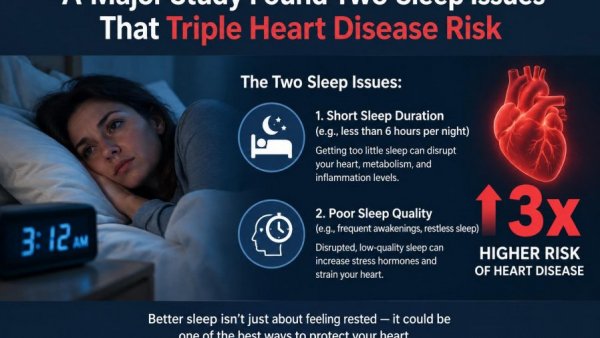
Living with poor sleep might seem like a minor inconvenience, but as recent research suggests, it can be a silent killer. The condition dubbed COMISA—coexisting insomnia and obstructive sleep apnea—is more damaging than previously understood. A staggering study involving nearly one million U.S. Veterans found that those suffering from both ailments had over three times the risk of developing cardiovascular disease compared to those without sleep disorders.
The Science Behind Sleep and Heart Health
In simple terms, sleep disorders can wreak havoc on cardiovascular health. Healthy sleep allows for a natural dip in heart rate and blood pressure, facilitating the restoration of the heart and its functions. However, conditions like insomnia and sleep apnea disrupt this rest. Sleep apnea leads to episodic drops in oxygen, causing the heart to work harder, while insomnia keeps the body in a heightened state of alertness, provoking inflammation and chronic stress. Together, they create a "perfect storm" that puts extreme pressure on the heart.
Identifying the Symptoms of COMISA
Many people may not even realize they have sleep apnea, as the symptoms can be both subtle and easily dismissed. If you find yourself waking up feeling exhausted despite adhering to sleep hygiene practices, it’s time to dig deeper. Key indicators of COMISA include difficulty falling asleep, waking frequently during the night, and loud snoring or gasping. Importantly, those who share a bed with someone should consider asking their partner about any irregular sleep behaviors, as those observations can provide crucial insight. Recognizing these signs early often leads to better outcomes.
Pathways to Better Sleep and Heart Health
The good news is that there are solutions available. Once diagnosed, insomnia can be treated effectively through Cognitive Behavioral Therapy for Insomnia (CBT-I), which has shown significant success in helping individuals develop better sleep patterns. This therapy focuses on changing thoughts and behaviors around sleep, creating more effective habits. For sleep apnea, treatments such as CPAP (continuous positive airway pressure) machines can drastically improve breathing during sleep, paving the way for restful nights and healthier hearts.
Moreover, lifestyle changes can also play an essential role in managing these conditions. Maintaining a healthy diet, engaging in regular physical activity, and avoiding stimulants such as caffeine or nicotine before bed can help improve overall sleep quality. Integrating relaxation techniques, such as mindfulness or gentle yoga, may also promote better sleep. It’s crucial to talk to your healthcare provider if you suspect you may have COMISA; they can guide you toward appropriate diagnostic tests and effective treatment options. Just like blood pressure and cholesterol checks, evaluating your sleep should be a routine part of your health management.
The Importance of Addressing Sleep Disorders
This study underscores the importance of prioritizing sleep not merely for energy but as a vital component of heart health. In a society where sleep deprivation is increasingly normalized, it’s essential to recognize the implications for our cardiovascular health. The long-term impacts of chronic sleep issues, such as heart disease, diabetes, and other serious health conditions, remind us that our overall wellness hinges on good sleep hygiene.
Finding a dependable sleep routine can be transformative for many, including those with demanding jobs or hectic home lives. Often, simple changes such as establishing a consistent bedtime, creating a calming pre-sleep routine, or even lowering screen time can make a significant difference. With effective treatments and awareness, individuals can reclaim their health, prevent long-term complications, and lead fuller lives.
In a world filled with distractions, it’s time we take sleep seriously. Whether you’re interested in natural insomnia remedies or need help curating a sustainable lifestyle, understanding the link between your sleep and your heart is a step toward a healthier future. Prioritizing sleep is not just about the immediate benefit of feeling more awake and alert; it’s about investing in your heart health for the long run. Don’t hesitate to seek help!




Write A Comment