

The Sleep Connection: How Improving Sleep Quality Could Lower Cancer Risks
In recent years, scientific research has heralded sleep as a cornerstone of our overall health. We know it fuels our energy levels, stabilizes our mood, and enhances cognitive abilities. However, a groundbreaking study presented at Digestive Disease Week 2026 takes this knowledge a step further, highlighting a fascinating correlation between sleep quality and reduced cancer risks. This new insight could hold profound implications for health-conscious adults.
Understanding the Study: A Closer Look at the Data
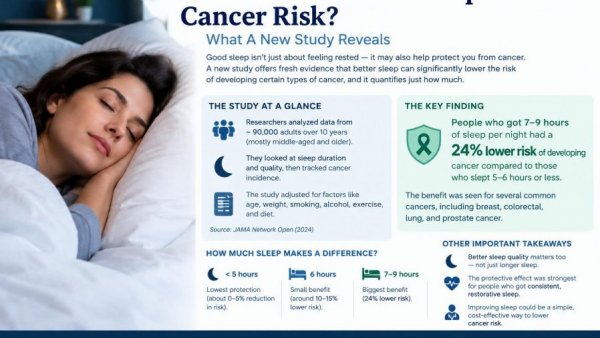
This intriguing study analyzed data from over 472,000 adults within the UK Biobank, a vast health resource that provides insights into public health trends. Researchers formulated a sleep health score by assessing five critical dimensions of sleep, which included not only the quantity of sleep but also quality indicators like restfulness and frequency of disturbances. By categorizing participants into groups ranging from healthy sleep (scores of 4 or higher) to poor sleep (1 or lower), they could draw important conclusions about the relationship between sleep and cancer risks.
Linking Sleep Quality with Cancer Risk: The Findings
What emerged from this in-depth analysis is compelling: participants with healthier sleep patterns exhibited a strikingly lowered risk for various cancers. For example, those boasting healthy sleep scores faced a 36% lower risk of liver cancer and a 14% reduction in lung cancer risk compared to their poorly sleeping counterparts. The researchers went on to further probe this connection, identifying a unique 'sleep proteomic score' derived from 303 distinct plasma proteins.
The Five Pillars of Healthy Sleep: Beyond Just Quantity
Rather than merely advising readers to aim for eight hours of sleep nightly, this study encourages a more nuanced understanding of sleep quality. The five essential traits that contributed to a healthy sleep score are critical for comprehending how sleep impacts our overall health. Factors such as sleep duration, continuity, depth, timing, and satisfaction all play a role in establishing a holistic approach to sleep quality.
Practical Tips for Enhancing Sleep Quality
While the research presented here does not claim that improving sleep alone wipes out cancer risk, it undeniably emphasizes the fundamental role of sleep in nurturing our wellbeing. Here are practical, evidence-backed strategies to enhance sleep quality:
- Create a Sleep Schedule: Aim to go to bed and wake up at the same time every day to stabilize your body’s internal clock.
- Optimize Your Sleep Environment: Make your bedroom a sanctuary for sleep by keeping it dark, quiet, and cool.
- Limit Screen Time Before Bed: Reduce blue light exposure by avoiding screens an hour before bedtime to improve sleep onset.
- Focus on Relaxation Techniques: Incorporate practices such as meditation, gentle yoga, or deep-breathing exercises to calm the mind before sleep.
- Pay Attention to Diet: Eating foods that support sleep, such as those rich in magnesium or omega-3 fatty acids, can promote better rest.
The Takeaway: Why Sleep Matters to Your Health
This innovative research invites us to reevaluate our sleep habits and their potential health implications. While more studies are needed to fully understand the mechanisms linking sleep and cancer risk through biological pathways, prioritizing sleep across its five dimensions stands out as a practical takeaway for holistic wellness. In a world where health is increasingly understood as a multifaceted equation, discovering how to promote better sleep may very well be one of the simplest paths to reducing long-term health risks.
Final Thoughts: Take Action for Better Health
In conclusion, while the connection between improved sleep quality and lower cancer risk is still being explored, this study opens the door for conversations about health and wellness. By integrating effective sleep practices into your daily routine, you embrace an accessible way to support your long-term health. As you prioritize sleep in your life, consider also integrating other sustainable lifestyle choices, like opting for eco-friendly brands or reducing plastic usage, to holistically enhance your wellbeing.





Write A Comment