

Direct Cell Nutrition
  • Home
  • Categories
    • Oxygen and Energy
    • Hormones and Libido
    • Inflammation and Immunity
    • Brain and Mood
    • Gut and Detox
    • Longevity and Aging
    • Women's Health
    • Men's Health
November 09.2026
3 Minutes Read

Unlocking the Power of Mindset in Healing with Dr. Jordan Rubin

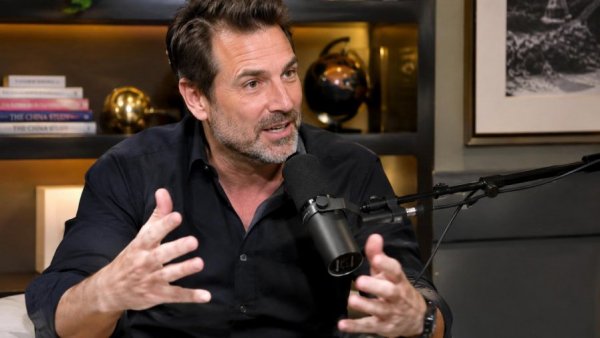
Middle-aged man speaking at a podcast about power of mindset in healing.

The Healing Power of Positive Thinking

In our fast-paced world, the notion that our mindset can significantly influence our health may seem almost too good to be true. However, as Dr. Jordan Rubin suggests in his insightful discussions, adopting a positive mindset is not just a feel-good concept—it can be a powerful catalyst for healing. A positive attitude can bolster our immune system, reduce stress, and even enhance our body’s natural ability to recover from ailments.

In THE POWER OF MINDSET IN HEALING WITH DR. JORDAN RUBIN, the discussion dives into the transformative impact of a positive mindset on health, exploring key insights that sparked deeper analysis on our end.

Connecting Mind and Body

Science has demonstrated the profound connection between mental and physical health. Studies have shown that individuals who maintain a hopeful outlook often experience better health outcomes. This is particularly evident in patients dealing with chronic illnesses or recovery processes. By focusing on what they can control and fostering an environment of positivity, these individuals often report improved quality of life, decreased symptoms, and a greater sense of well-being.

Mindset Techniques for Enhanced Well-Being

Changing your mindset doesn’t happen overnight. It requires practice and dedication, similar to building a muscle. Dr. Rubin emphasizes several techniques that can be easily integrated into daily routines for maximum effectiveness.

  • Gratitude Journaling: Starting each day by noting three things you’re grateful for can shift your focus away from negativity and help rewire your brain for positivity.
  • Meditation and Mindfulness: Taking time to meditate allows individuals to center their thoughts, reducing anxiety and fostering a calm state for better decision-making.
  • Affirmations: Using positive affirmations daily can help instill a sense of self-worth and encourage a positive outlook on life.

Real-Life Impact Stories

Individuals who have applied Dr. Rubin’s principles often share inspiring testimonials about their journeys. One such story is of a busy executive who battled with stress-related health concerns. By integrating daily meditation and practicing gratitude, he reported not only feeling less overwhelmed but also experiencing improved metabolic health and energy levels.

Future Insights: The Role of Mindset in Longevity

As we look toward the future, the importance of a positive mindset in maintaining longevity cannot be ignored. Health experts, including longevity expert Gary Brecka, have begun to focus on this intersection of psychology and biology. They argue that by working on our mental health, we might influence our physical health outcomes, potentially extending our lives and enhancing our daily experiences.

Transforming Mindsets for Holistic Health

The conversations initiated by thought leaders like Dr. Jordan Rubin are paving the way for a more holistic approach to health that integrates the power of mindset. For busy executives and seniors alike, these new perspectives on health can help us navigate the complexities of modern life while supporting both our mental and physical well-being.

In a diverse world filled with challenges, understanding the impact of our mindset can empower us to take control of our health. The notion that our thoughts can shape our realities is not just motivational jargon; it’s a growing field of study and a lifeline for those seeking to thrive.

If you’re inspired by the discussions on the power of mindset in health, we encourage you to explore more about bio hacks and strategies to enhance your daily routines. Embracing a mindset shift could be the first step toward a renewed sense of vitality and purpose.

Longevity and Aging

0 Views

0 Comments

Write A Comment

*
*
Please complete the captcha to submit your comment.
Related Posts All Posts
11.08.2026

Unlocking Longevity: The Vital Role of Social Connections

Update The Connection Between Loneliness and Longevity Social connection plays an essential role in promoting overall well-being. Studies indicate that individuals with strong social ties enjoy longer and healthier lives. Loneliness is often linked to various health issues, including stress, anxiety, and even increased mortality rates. The quest for longevity isn’t merely about diet and exercise; it’s significantly influenced by the quality of our relationships.In WHY SOCIAL CONNECTION IS ESSENTIAL FOR LONGEVITY, the discussion dives into the powerful influence of social ties on health, exploring key insights that sparked deeper analysis on our end. Why Social Connections Matter Humans are inherently social creatures. Our lives thrive on connections with others, and these connections provide emotional support, companionship, and a sense of belonging. Research shows that people with robust social networks tend to have better physical health, lower stress levels, and enhanced immune functions. When we engage with others, our bodies release beneficial hormones that lower blood pressure and enhance our mood, making social interactions not just enjoyable but vital. Gary Brecka's Insights on Longevity Gary Brecka, a noted longevity expert and human biologist, emphasizes the importance of daily routines that prioritize social well-being. He encourages incorporating time for friends and family into our busy schedules, suggesting that social engagement is as crucial as any bio hack for a lengthy life. According to Brecka, cultivating relationships can effectively manage stress and promote overall metabolic health. Loneliness vs. Quality of Life Counter to popular belief, loneliness is not merely a feeling of being alone; it’s a complex emotional state that can affect our physical health. In modern society, busy executives often find themselves sacrificing social interactions for professional obligations, which can lead to feelings of isolation. This pattern has been linked to various conditions, including PTSD and chronic fatigue, impacting individuals’ ability to engage socially in the future. How to Foster Healthy Connections Fostering connections doesn’t have to be a daunting endeavor. Here are some practical insights to weave socialization into our daily lives: Prioritize Time: Schedule regular catch-ups with friends or family, even if it's just a quick phone call or a coffee break. Join Groups: Engage in community activities or clubs aligned with personal interests to meet new people. Practice Active Listening: Being genuinely interested in others' lives can strengthen bonds and show you care. These small actions can lead to deeper relationships and can significantly improve your mental health while also enhancing longevity. The Role of Bio Hacks in Social Life In addition to nurturing social connections, health enthusiasts, including busy executives, often look for effective bio hacks to enhance their lifestyles. An essential aspect of this is understanding how nutrition and wellness impact social interactions. For instance, maintaining insulin resistance through a balanced diet can improve energy levels, making it easier to put yourself out there socially. Furthermore, innovative hacks like hydrogen water and detoxing from microplastics can support overall vitality, further fuelling socializing habits. Finding Balance: Longevity and Emotional Well-being Finding a balance between work and social life is crucial for longevity. The more we cultivate social interactions, the more fulfilled we feel. Moreover, this balance encourages us to share life experiences, alleviating feelings of isolation and fostering a more vibrant approach to living. Sharing our journeys, whether through podcasts or conversations, allows for shared wisdom and emotional connections, which can have a lasting impact on our health and lifespan. Conclusion: Your Path to Connectivity and Longevity As we delve into the essential nature of social connections, it’s clear that they are fundamental to our well-being and longevity. By prioritizing relationships and recognizing their tremendous benefit to our health, we can embrace a fulfilling life approach that transcends mere survival. Everyone deserves to connect - let’s take proactive steps toward fostering these enriching relationships.

11.07.2026

Why You're Still Hungry After Eating: Unpacking the Truth

Update Why Do We Still Feel Hungry? After finishing a meal, many of us experience the confusing sensation of still feeling hungry. This phenomenon isn't just a matter of eating less than we need; it can involve a range of biological and psychological factors at play that determine our satisfaction with food. Understanding why we still feel hungry after eating is not only essential for tackling the issue of unnecessary snacking but can also help us make better decisions about our health and dietary choices. Let's delve into this intriguing subject.We came across 'WHY YOU'RE STILL HUNGRY AFTER EATING', which covers various biological and emotional factors impacting hunger, and it raised some compelling points that we’re expanding on in this article. The Biological Triggers of Hunger Hunger is not just a simple feeling; it's affected by various hormones and nutrients in our bodies. Ghrelin, often referred to as the 'hunger hormone,' is produced in the stomach, signaling our brain when it's time to eat. When we eat, levels of another hormone, leptin, typically rise to help us feel full. However, if our meals are lacking in nutrients or overall calories, these hormone levels can become unbalanced, leading to that pesky feeling of hunger even after consuming food. The Role of Nutrient Quality Not all foods are created equal when it comes to satisfying our hunger. Whole, nutrient-dense foods like vegetables, lean proteins, and whole grains generally promote better satiety than processed foods. Foods high in sugar and refined carbs can lead to quick spikes and drops in blood sugar, triggering hunger soon after a meal. Exploring the differences in food types is crucial for understanding how to curb those extra hunger pangs. Emotional and Situational Factors It's common to eat for reasons beyond physical hunger. Many people turn to food as a comfort during stress or emotional hardship, leading to eating habits that don’t align with their physical needs. Busy executives, overwhelmed by their schedules, often grab quick snacks instead of watching their hunger cues. Recognizing when eating is truly about hunger or is influenced by emotions is a key step in fostering a healthier relationship with food. Bio Hacks for Better Hunger Control To help alleviate feelings of hunger post-meal, incorporating certain bio hacks into your daily routine can work wonders. Longevity expert Gary Brecka emphasizes the importance of metabolic health and suggests strategies such as intermittent fasting to allow your body to reset and better gauge its hunger signals. Adding hydrogen water into your daily routine has been suggested to enhance hydration status and overall energy levels, potentially curbing unnecessary cravings. Keeping Mitochondria Healthy Your mitochondria, the powerhouse cells of your body, play a vital role in how effectively your body utilizes the food it receives. Improving mitochondrial health can result in more efficient energy production and improved hunger regulation. Simple steps like improving sleep quality, reducing high insulin resistance, and incorporating glutathione-boosting foods can enhance mitochondrial function and overall health. Practical Tips for Managing Hunger There are actionable insights we can all implement to tackle lingering hunger effectively. Here are some tips designed to help you feel more satisfied after meals: Choose high-fiber foods: Foods rich in fiber keep you fuller for longer. Think beans, legumes, and vegetables. Stay hydrated: Often, we mistake thirst for hunger. Drinking water throughout the day can help mitigate those feelings. Mindful Eating: Taking the time to truly savor your meals can help you recognize feelings of fullness. By being mindful of your eating habits and understanding the underlying triggers of hunger, you can begin to control those cravings and foster a healthier lifestyle. Time for a Change! Understanding the nuances of hunger after eating is crucial for achieving optimal health. Implementing these tips and bio hacks into your daily routine might be just what you need to get energized and ensure that you’re making the most of the meals you consume. Keep exploring reputable podcasts, like those featuring Gary Brecka, and learn more about how to achieve not just satisfaction after meals, but also longevity in your daily health journey!

11.06.2026

Unraveling the COMISA Phenomenon: Triple Heart Disease Risks from Insomnia & Sleep Apnea

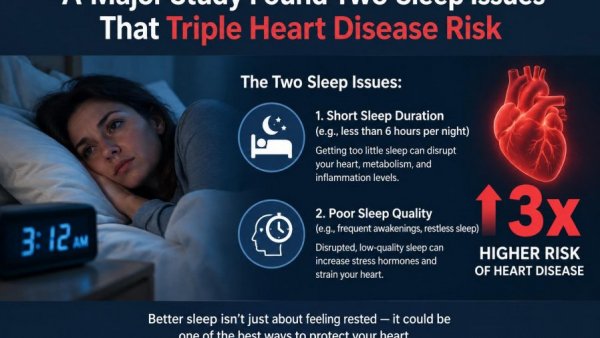
Update Understanding COMISA: The Hidden Connection Between Sleep Disorders Living with poor sleep might seem like a minor inconvenience, but as recent research suggests, it can be a silent killer. The condition dubbed COMISA—coexisting insomnia and obstructive sleep apnea—is more damaging than previously understood. A staggering study involving nearly one million U.S. Veterans found that those suffering from both ailments had over three times the risk of developing cardiovascular disease compared to those without sleep disorders. The Science Behind Sleep and Heart Health In simple terms, sleep disorders can wreak havoc on cardiovascular health. Healthy sleep allows for a natural dip in heart rate and blood pressure, facilitating the restoration of the heart and its functions. However, conditions like insomnia and sleep apnea disrupt this rest. Sleep apnea leads to episodic drops in oxygen, causing the heart to work harder, while insomnia keeps the body in a heightened state of alertness, provoking inflammation and chronic stress. Together, they create a "perfect storm" that puts extreme pressure on the heart. Identifying the Symptoms of COMISA Many people may not even realize they have sleep apnea, as the symptoms can be both subtle and easily dismissed. If you find yourself waking up feeling exhausted despite adhering to sleep hygiene practices, it’s time to dig deeper. Key indicators of COMISA include difficulty falling asleep, waking frequently during the night, and loud snoring or gasping. Importantly, those who share a bed with someone should consider asking their partner about any irregular sleep behaviors, as those observations can provide crucial insight. Recognizing these signs early often leads to better outcomes. Pathways to Better Sleep and Heart Health The good news is that there are solutions available. Once diagnosed, insomnia can be treated effectively through Cognitive Behavioral Therapy for Insomnia (CBT-I), which has shown significant success in helping individuals develop better sleep patterns. This therapy focuses on changing thoughts and behaviors around sleep, creating more effective habits. For sleep apnea, treatments such as CPAP (continuous positive airway pressure) machines can drastically improve breathing during sleep, paving the way for restful nights and healthier hearts. Moreover, lifestyle changes can also play an essential role in managing these conditions. Maintaining a healthy diet, engaging in regular physical activity, and avoiding stimulants such as caffeine or nicotine before bed can help improve overall sleep quality. Integrating relaxation techniques, such as mindfulness or gentle yoga, may also promote better sleep. It’s crucial to talk to your healthcare provider if you suspect you may have COMISA; they can guide you toward appropriate diagnostic tests and effective treatment options. Just like blood pressure and cholesterol checks, evaluating your sleep should be a routine part of your health management. The Importance of Addressing Sleep Disorders This study underscores the importance of prioritizing sleep not merely for energy but as a vital component of heart health. In a society where sleep deprivation is increasingly normalized, it’s essential to recognize the implications for our cardiovascular health. The long-term impacts of chronic sleep issues, such as heart disease, diabetes, and other serious health conditions, remind us that our overall wellness hinges on good sleep hygiene. Finding a dependable sleep routine can be transformative for many, including those with demanding jobs or hectic home lives. Often, simple changes such as establishing a consistent bedtime, creating a calming pre-sleep routine, or even lowering screen time can make a significant difference. With effective treatments and awareness, individuals can reclaim their health, prevent long-term complications, and lead fuller lives. In a world filled with distractions, it’s time we take sleep seriously. Whether you’re interested in natural insomnia remedies or need help curating a sustainable lifestyle, understanding the link between your sleep and your heart is a step toward a healthier future. Prioritizing sleep is not just about the immediate benefit of feeling more awake and alert; it’s about investing in your heart health for the long run. Don’t hesitate to seek help!

Direct Cell Nutrition News

Addressing the root causes of ATP production, oxygen deficiency, inflammation, toxicity, and hormone collapse – through high-bioavailability protocols.

COMPANY

  • Privacy Policy
  • Terms of Use
  • Advertise
  • Contact Us
  • Menu 5
  • Menu 6

PROVIDING ONLINE

Health & Wellness

Solutions

www.directcellnutrition.com

ABOUT US

Direct Cell Nutrition leads the shift toward absorption-first wellness, rooted in plant based delivery systems and cellular intelligence. Our mission is to educate, empower, and elevate those seeking real health solutions from the inside out.

© 2026 Direct Cell Nutrition All Rights Reserved. Providing Online, Health, And Wellness . Contact Us . Terms of Service . Privacy Policy

eyJjb21wYW55IjoiRGlyZWN0IENlbGwgTnV0cml0aW9uIiwiYWRkcmVzcyI6IlByb3ZpZGluZyBPbmxpbmUiLCJjaXR5IjoiSGVhbHRoIiwic3RhdGUiOiJBbmQiLCJ6aXAiOiJXZWxsbmVzcyIsImVtYWlsIjoiYWRtaW5AZGlyZWN0Y2VsbG51dHJpdGlvbi5jb20iLCJ0b3MiOiJQSEErUEhOMGNtOXVaejQ4WlcwK1YyaGxiaUI1YjNVZ2MybG5iaTFwYmlCM2FYUm9JSFZ6TENCNWIzVWdZWEpsSUdkcGRtbHVaeVp1WW5Od095QjViM1Z5SUhCbGNtMXBjM05wYjI0Z1lXNWtJR052Ym5ObGJuUWdkRzhnYzJWdVpDQjViM1VnWlcxaGFXd2dZVzVrTDI5eUlGTk5VeUIwWlhoMElHMWxjM05oWjJWekxpQkNlU0JqYUdWamEybHVaeUIwYUdVZ1ZHVnliWE1nWVc1a0lFTnZibVJwZEdsdmJuTWdZbTk0SUdGdVpDQmllU0J6YVdkdWFXNW5JR2x1SUhsdmRTQmhkWFJ2YldGMGFXTmhiR3g1SUdOdmJtWnBjbTBnZEdoaGRDQjViM1VnWVdOalpYQjBJR0ZzYkNCMFpYSnRjeUJwYmlCMGFHbHpJR0ZuY21WbGJXVnVkQzQ4TDJWdFBqd3ZjM1J5YjI1blBqd3ZjRDRLQ2p4d1BqeGhJR2h5WldZOUltaDBkSEE2THk5M2QzY3VaMjl2WjJ4bExtTnZiU0krYUhSMGNEb3ZMM2QzZHk1bmIyOW5iR1V1WTI5dFBDOWhQand2Y0Q0S0NqeHdQaVp1WW5Od096d3ZjRDRLQ2p4d1BqeHpkSEp2Ym1jK1UwVlNWa2xEUlR3dmMzUnliMjVuUGp3dmNENEtDanh3UGxkbElIQnliM1pwWkdVZ1lTQnpaWEoyYVdObElIUm9ZWFFnWTNWeWNtVnVkR3g1SUdGc2JHOTNjeUI1YjNVZ2RHOGdjbVZqWldsMlpTQnlaWEYxWlhOMGN5Qm1iM0lnWm1WbFpHSmhZMnNzSUdOdmJYQmhibmtnYVc1bWIzSnRZWFJwYjI0c0lIQnliMjF2ZEdsdmJtRnNJR2x1Wm05eWJXRjBhVzl1TENCamIyMXdZVzU1SUdGc1pYSjBjeXdnWTI5MWNHOXVjeXdnWkdselkyOTFiblJ6SUdGdVpDQnZkR2hsY2lCdWIzUnBabWxqWVhScGIyNXpJSFJ2SUhsdmRYSWdaVzFoYVd3Z1lXUmtjbVZ6Y3lCaGJtUXZiM0lnWTJWc2JIVnNZWElnY0dodmJtVWdiM0lnWkdWMmFXTmxMaUJaYjNVZ2RXNWtaWEp6ZEdGdVpDQmhibVFnWVdkeVpXVWdkR2hoZENCMGFHVWdVMlZ5ZG1salpTQnBjeUJ3Y205MmFXUmxaQ0FtY1hWdmREdEJVeTFKVXlaeGRXOTBPeUJoYm1RZ2RHaGhkQ0IzWlNCaGMzTjFiV1VnYm04Z2NtVnpjRzl1YzJsaWFXeHBkSGtnWm05eUlIUm9aU0IwYVcxbGJHbHVaWE56TENCa1pXeGxkR2x2Yml3Z2JXbHpMV1JsYkdsMlpYSjVJRzl5SUdaaGFXeDFjbVVnZEc4Z2MzUnZjbVVnWVc1NUlIVnpaWElnWTI5dGJYVnVhV05oZEdsdmJuTWdiM0lnY0dWeWMyOXVZV3hwZW1GMGFXOXVJSE5sZEhScGJtZHpMand2Y0Q0S0NqeHdQbGx2ZFNCaGNtVWdjbVZ6Y0c5dWMybGliR1VnWm05eUlHOWlkR0ZwYm1sdVp5QmhZMk5sYzNNZ2RHOGdkR2hsSUZObGNuWnBZMlVnWVc1a0lIUm9ZWFFnWVdOalpYTnpJRzFoZVNCcGJuWnZiSFpsSUhSb2FYSmtJSEJoY25SNUlHWmxaWE1nS0hOMVkyZ2dZWE1nVTAxVElIUmxlSFFnYldWemMyRm5aWE1zSUVsdWRHVnlibVYwSUhObGNuWnBZMlVnY0hKdmRtbGtaWElnYjNJZ1kyVnNiSFZzWVhJZ1lXbHlkR2x0WlNCamFHRnlaMlZ6S1M0Z1dXOTFJR0Z5WlNCeVpYTndiMjV6YVdKc1pTQm1iM0lnZEdodmMyVWdabVZsY3l3Z2FXNWpiSFZrYVc1bklIUm9iM05sSUdabFpYTWdZWE56YjJOcFlYUmxaQ0IzYVhSb0lIUm9aU0JrYVhOd2JHRjVJRzl5SUdSbGJHbDJaWEo1SUc5bUlHVmhZMmdnVTAxVElIUmxlSFFnYldWemMyRm5aU0J6Wlc1MElIUnZJSGx2ZFNCaWVTQjFjeTRnU1c0Z1lXUmthWFJwYjI0c0lIbHZkU0J0ZFhOMElIQnliM1pwWkdVZ1lXNWtJR0Z5WlNCeVpYTndiMjV6YVdKc1pTQm1iM0lnWVd4c0lHVnhkV2x3YldWdWRDQnVaV05sYzNOaGNua2dkRzhnWVdOalpYTnpJSFJvWlNCVFpYSjJhV05sSUdGdVpDQnlaV05sYVhabElIUm9aU0JUVFZNZ2RHVjRkQ0J0WlhOellXZGxjeTRnVjJVZ1pHOGdibTkwSUdOb1lYSm5aU0JoYm5rZ1ptVmxjeUJtYjNJZ1pHVnNhWFpsY25rZ2IyWWdaVzFoYVd3Z2IzSWdVMDFUTGlCVWFHbHpJR2x6SUdFZ1puSmxaU0J6WlhKMmFXTmxJSEJ5YjNacFpHVmtJR0o1SUhWekxpQkliM2RsZG1WeUxDQndiR1ZoYzJVZ1kyaGxZMnNnZDJsMGFDQjViM1Z5SUdsdWRHVnlibVYwSUhObGNuWnBZMlVnY0hKdmRtbGtaWElnWVc1a0lHTmxiR3gxYkdGeUlHTmhjbkpwWlhJZ1ptOXlJR0Z1ZVNCamFHRnlaMlZ6SUhSb1lYUWdiV0Y1SUdsdVkzVnlJR0Z6SUdFZ2NtVnpkV3gwSUdaeWIyMGdjbVZqWldsMmFXNW5JR1Z0WVdsc0lHRnVaQ0JUVFZNZ2RHVjRkQ0J0WlhOellXZGxjeUIwYUdGMElIZGxJR1JsYkdsMlpYSWdkWEJ2YmlCNWIzVnlJRzl3ZEMxcGJpQmhibVFnY21WbmFYTjBjbUYwYVc5dUlIZHBkR2dnYjNWeUlHVnRZV2xzSUdGdVpDQlRUVk1nYzJWeWRtbGpaWE11SUZsdmRTQmpZVzRnWTJGdVkyVnNJR0YwSUdGdWVTQjBhVzFsTGlCS2RYTjBJSFJsZUhRZ0puRjFiM1E3VTFSUFVDWnhkVzkwT3lCMGJ5WnVZbk53T3p4b2FXZG9iR2xuYUhRZ1kyeGhjM005SW1OdmJYQmhibmxUVFZOUWFHOXVaVlZ3WkdGMFpTSStiblZzYkR3dmFHbG5hR3hwWjJoMFBpNGdRV1owWlhJZ2VXOTFJSE5sYm1RZ2RHaGxJRk5OVXlCdFpYTnpZV2RsSUNaeGRXOTBPMU5VVDFBbWNYVnZkRHNnZEc4Z2RYTXNJSGRsSUhkcGJHd2djMlZ1WkNCNWIzVWdZVzRnVTAxVElHMWxjM05oWjJVZ2RHOGdZMjl1Wm1seWJTQjBhR0YwSUhsdmRTQm9ZWFpsSUdKbFpXNGdkVzV6ZFdKelkzSnBZbVZrTGlCQlpuUmxjaUIwYUdsekxDQjViM1VnZDJsc2JDQnVieUJzYjI1blpYSWdjbVZqWldsMlpTQlRUVk1nYldWemMyRm5aWE1nWm5KdmJTQjFjeTQ4TDNBK0NnbzhjRDQ4YzNSeWIyNW5QbGxQVlZJZ1VrVkhTVk5VVWtGVVNVOU9JRTlDVEVsSFFWUkpUMDVUUEM5emRISnZibWMrUEM5d1Bnb0tQSEErU1c0Z1kyOXVjMmxrWlhKaGRHbHZiaUJ2WmlCNWIzVnlJSFZ6WlNCdlppQjBhR1VnVTJWeWRtbGpaU3dnZVc5MUlHRm5jbVZsSUhSdk9qd3ZjRDRLQ2p4dmJENEtDVHhzYVQ1d2NtOTJhV1JsSUhSeWRXVXNJR0ZqWTNWeVlYUmxMQ0JqZFhKeVpXNTBJR0Z1WkNCamIyMXdiR1YwWlNCcGJtWnZjbTFoZEdsdmJpQmhZbTkxZENCNWIzVnljMlZzWmlCaGN5QndjbTl0Y0hSbFpDQmllU0IwYUdVZ1UyVnlkbWxqWlNZak16azdjeUJ5WldkcGMzUnlZWFJwYjI0Z1ptOXliU0FvYzNWamFDQnBibVp2Y20xaGRHbHZiaUJpWldsdVp5QjBhR1VnSm5GMWIzUTdVbVZuYVhOMGNtRjBhVzl1SUVSaGRHRW1jWFZ2ZERzcElHRnVaRHd2YkdrK0NnazhiR2srYldGcGJuUmhhVzRnWVc1a0lIQnliMjF3ZEd4NUlIVndaR0YwWlNCMGFHVWdVbVZuYVhOMGNtRjBhVzl1SUVSaGRHRWdkRzhnYTJWbGNDQnBkQ0IwY25WbExDQmhZMk4xY21GMFpTd2dZM1Z5Y21WdWRDQmhibVFnWTI5dGNHeGxkR1V1SUVsbUlIbHZkU0J3Y205MmFXUmxJR0Z1ZVNCcGJtWnZjbTFoZEdsdmJpQjBhR0YwSUdseklIVnVkSEoxWlN3Z2FXNWhZMk4xY21GMFpTd2dibTkwSUdOMWNuSmxiblFnYjNJZ2FXNWpiMjF3YkdWMFpTd2diM0lnZDJVZ2FHRjJaU0J5WldGemIyNWhZbXhsSUdkeWIzVnVaSE1nZEc4Z2MzVnpjR1ZqZENCMGFHRjBJSE4xWTJnZ2FXNW1iM0p0WVhScGIyNGdhWE1nZFc1MGNuVmxMQ0JwYm1GalkzVnlZWFJsTENCdWIzUWdZM1Z5Y21WdWRDQnZjaUJwYm1OdmJYQnNaWFJsTENCM1pTQm9ZWFpsSUhSb1pTQnlhV2RvZENCMGJ5QnpkWE53Wlc1a0lHOXlJRHh6ZEhKdmJtYytQSE53WVc0Z2MzUjViR1U5SW1OdmJHOXlPaU5HUmpBd01EQTdJajUwWlhKdGFXNWhkR1VnZVc5MWNpQmhZMk52ZFc1MEwzQnliMlpwYkdVZ1lXNWtJSEpsWm5WelpTQmhibmtnWVc1a0lHRnNiQ0JqZFhKeVpXNTBJRzl5SUdaMWRIVnlaU0IxYzJVZ2IyWWdkR2hsSUZObGNuWnBZMlVnS0c5eUlHRnVlU0J3YjNKMGFXOXVJSFJvWlhKbGIyWXBMand2YzNCaGJqNDhMM04wY205dVp6NDhMMnhwUGdvOEwyOXNQZ29LUEhBK0ptNWljM0E3UEM5d1BnbzhhR2xuYUd4cFoyaDBJR05zWVhOelBTSmpiMjF3WVc1NVRtRnRaVlZ3WkdGMFpTSStSR2x5WldOMElFTmxiR3dnVG5WMGNtbDBhVzl1UEM5b2FXZG9iR2xuYUhRK1BHSnlJQzgrQ2p4b2FXZG9iR2xuYUhRZ1kyeGhjM005SW1OdmJYQmhibmxCWkdSeVpYTnpWWEJrWVhSbElqNVFjbTkyYVdScGJtY2dUMjVzYVc1bExDQklaV0ZzZEdnc0lFRnVaQ0JYWld4c2JtVnpjend2YUdsbmFHeHBaMmgwUGp4aWNpQXZQZ284YUdsbmFHeHBaMmgwSUdOc1lYTnpQU0pqYjIxd1lXNTVVR2h2Ym1WVmNHUmhkR1VpUGlzMk1UUXdPRGswTlRBME9Ed3ZhR2xuYUd4cFoyaDBQanhpY2lBdlBnbzhhR2xuYUd4cFoyaDBJR05zWVhOelBTSmpiMjF3WVc1NVJXMWhhV3hWY0dSaGRHVWlQbUZrYldsdVFHUnBjbVZqZEdObGJHeHVkWFJ5YVhScGIyNHVZMjl0UEM5b2FXZG9iR2xuYUhRKyIsInByaXZhY3kiOiJQSEErUEhOMGNtOXVaejVRVWtsV1FVTlpQQzl6ZEhKdmJtYytQQzl3UGdvS1BIQStQSE4wY205dVp6NVVhR1VnYVc1bWIzSnRZWFJwYjI0Z2NISnZkbWxrWldRZ1pIVnlhVzVuSUhSb2FYTWdjbVZuYVhOMGNtRjBhVzl1SUdseklHdGxjSFFnY0hKcGRtRjBaU0JoYm1RZ1kyOXVabWxrWlc1MGFXRnNMQ0JoYm1RZ2QybHNiQ0J1WlhabGNpQmlaU0JrYVhOMGNtbGlkWFJsWkN3Z1kyOXdhV1ZrTENCemIyeGtMQ0IwY21Ga1pXUWdiM0lnY0c5emRHVmtJR2x1SUdGdWVTQjNZWGtzSUhOb1lYQmxJRzl5SUdadmNtMHVJRlJvYVhNZ2FYTWdiM1Z5SUdkMVlYSmhiblJsWlM0OEwzTjBjbTl1Wno0OEwzQStDZ284Y0Q0OGMzUnliMjVuUGtsT1JFVk5Ua2xVV1R3dmMzUnliMjVuUGp3dmNENEtDanh3UGp4bGJUNVpiM1VnWVdkeVpXVWdkRzhnYVc1a1pXMXVhV1o1SUdGdVpDQm9iMnhrSUhWekxDQmhibVFnYVhSeklITjFZbk5wWkdsaGNtbGxjeXdnWVdabWFXeHBZWFJsY3l3Z2IyWm1hV05sY25Nc0lHRm5aVzUwY3l3Z1kyOHRZbkpoYm1SbGNuTWdiM0lnYjNSb1pYSWdjR0Z5ZEc1bGNuTXNJR0Z1WkNCbGJYQnNiM2xsWlhNc0lHaGhjbTFzWlhOeklHWnliMjBnWVc1NUlHTnNZV2x0SUc5eUlHUmxiV0Z1WkN3Z2FXNWpiSFZrYVc1bklISmxZWE52Ym1GaWJHVWdZWFIwYjNKdVpYbHpKaU16T1RzZ1ptVmxjeXdnYldGa1pTQmllU0JoYm5rZ2RHaHBjbVFnY0dGeWRIa2daSFZsSUhSdklHOXlJR0Z5YVhOcGJtY2diM1YwSUc5bUlFTnZiblJsYm5RZ2VXOTFJSEpsWTJWcGRtVXNJSE4xWW0xcGRDd2djbVZ3Ykhrc0lIQnZjM1FzSUhSeVlXNXpiV2wwSUc5eUlHMWhhMlVnWVhaaGFXeGhZbXhsSUhSb2NtOTFaMmdnZEdobElGTmxjblpwWTJVc0lIbHZkWElnZFhObElHOW1JSFJvWlNCVFpYSjJhV05sTENCNWIzVnlJR052Ym01bFkzUnBiMjRnZEc4Z2RHaGxJRk5sY25acFkyVXNJSGx2ZFhJZ2RtbHZiR0YwYVc5dUlHOW1JSFJvWlNCVVQxTXNJRzl5SUhsdmRYSWdkbWx2YkdGMGFXOXVJRzltSUdGdWVTQnlhV2RvZEhNZ2IyWWdZVzV2ZEdobGNpNDhMMlZ0UGp3dmNENEtDanh3UGp4emRISnZibWMrUkVsVFEweEJTVTFGVWlCUFJpQlhRVkpTUVU1VVNVVlRQQzl6ZEhKdmJtYytQQzl3UGdvS1BIQStQSE4wY205dVp6NVpUMVVnUlZoUVVrVlRVMHhaSUZWT1JFVlNVMVJCVGtRZ1FVNUVJRUZIVWtWRklGUklRVlE2UEM5emRISnZibWMrUEM5d1Bnb0tQRzlzUGdvSlBHeHBQbGxQVlZJZ1ZWTkZJRTlHSUZSSVJTQlRSVkpXU1VORklFbFRJRUZVSUZsUFZWSWdVMDlNUlNCU1NWTkxMaUJVU0VVZ1UwVlNWa2xEUlNCSlV5QlFVazlXU1VSRlJDQlBUaUJCVGlBbWNYVnZkRHRCVXlCSlV5WnhkVzkwT3lCQlRrUWdKbkYxYjNRN1FWTWdRVlpCU1V4QlFreEZKbkYxYjNRN0lFSkJVMGxUTGlBc0xpQkJUa1FnVlZNc0lFbFVKaU16T1R0VElFTlZVMVJQVFVWU1V5d2dSVmhRVWtWVFUweFpJRVJKVTBOTVFVbE5VeUJCVEV3Z1YwRlNVa0ZPVkVsRlV5QlBSaUJCVGxrZ1MwbE9SQ3dnVjBoRlZFaEZVaUJGV0ZCU1JWTlRJRTlTSUVsTlVFeEpSVVFzSUVsT1EweFZSRWxPUnl3Z1FsVlVJRTVQVkNCTVNVMUpWRVZFSUZSUElGUklSU0JKVFZCTVNVVkVJRmRCVWxKQlRsUkpSVk1nVDBZZ1RVVlNRMGhCVGxSQlFrbE1TVlJaTENCR1NWUk9SVk5USUVaUFVpQkJJRkJCVWxSSlExVk1RVklnVUZWU1VFOVRSU0JCVGtRZ1RrOU9MVWxPUmxKSlRrZEZUVVZPVkM0OEwyeHBQZ29KUEd4cFBrMUJTMFZUSUU1UElGZEJVbEpCVGxSWklGUklRVlFnS0drcElGUklSU0JUUlZKV1NVTkZJRmRKVEV3Z1RVVkZWQ0JaVDFWU0lGSkZVVlZKVWtWTlJVNVVVeXdnS0dscEtTQlVTRVVnVTBWU1ZrbERSU0JYU1V4TUlFSkZJRlZPU1U1VVJWSlNWVkJVUlVRc0lGUkpUVVZNV1N3Z1UwVkRWVkpGTENCUFVpQkZVbEpQVWkxR1VrVkZMQ0FvYVdscEtTQlVTRVVnVWtWVFZVeFVVeUJVU0VGVUlFMUJXU0JDUlNCUFFsUkJTVTVGUkNCR1VrOU5JRlJJUlNCVlUwVWdUMFlnVkVoRklGTkZVbFpKUTBVZ1YwbE1UQ0JDUlNCQlEwTlZVa0ZVUlNCUFVpQlNSVXhKUVVKTVJTd2dRVTVFSUNocGRpa2dRVTVaSUVWU1VrOVNVeUJKVGlCVVNFVWdVMDlHVkZkQlVrVWdWMGxNVENCQ1JTQkRUMUpTUlVOVVJVUXVQQzlzYVQ0S0NUeHNhVDVCVGxrZ1RVRlVSVkpKUVV3Z1JFOVhUa3hQUVVSRlJDQlBVaUJQVkVoRlVsZEpVMFVnVDBKVVFVbE9SVVFnVkVoU1QxVkhTQ0JVU0VVZ1ZWTkZJRTlHSUZSSVJTQlRSVkpXU1VORklFbFRJRVJQVGtVZ1FWUWdXVTlWVWlCUFYwNGdSRWxUUTFKRlZFbFBUaUJCVGtRZ1VrbFRTeUJCVGtRZ1ZFaEJWQ0JaVDFVZ1YwbE1UQ0JDUlNCVFQweEZURmtnVWtWVFVFOU9VMGxDVEVVZ1JrOVNJRUZPV1NCRVFVMUJSMFVnVkU4Z1dVOVZVaUJEVDAxUVZWUkZVaUJUV1ZOVVJVMGdUMUlnVEU5VFV5QlBSaUJFUVZSQklGUklRVlFnVWtWVFZVeFVVeUJHVWs5TklGUklSU0JFVDFkT1RFOUJSQ0JQUmlCQlRsa2dVMVZEU0NCTlFWUkZVa2xCVEM0OEwyeHBQZ29KUEd4cFBrNVBJRUZFVmtsRFJTQlBVaUJKVGtaUFVrMUJWRWxQVGl3Z1YwaEZWRWhGVWlCUFVrRk1JRTlTSUZkU1NWUlVSVTRzSUU5Q1ZFRkpUa1ZFSUVKWklGbFBWU0JHVWs5TklFOVNJRlJJVWs5VlIwZ2dUMUlnUmxKUFRTQlVTRVVnVTBWU1ZrbERSU0JUU0VGTVRDQkRVa1ZCVkVVZ1FVNVpJRmRCVWxKQlRsUlpJRTVQVkNCRldGQlNSVk5UVEZrZ1UxUkJWRVZFSUVsT0lGUklSU0JVVDFNdVBDOXNhVDRLUEM5dmJENEtDanh3UGp4emRISnZibWMrVEVsTlNWUkJWRWxQVGlCUFJpQk1TVUZDU1V4SlZGazhMM04wY205dVp6NDhMM0ErQ2dvOGNENVpUMVVnUlZoUVVrVlRVMHhaSUZWT1JFVlNVMVJCVGtRZ1FVNUVJRUZIVWtWRklGUklRVlFnUVU1RUlGTklRVXhNSUU1UFZDQkNSU0JNU1VGQ1RFVWdSazlTSUVGT1dTQkVTVkpGUTFRc0lFbE9SRWxTUlVOVUxDQkpUa05KUkVWT1ZFRk1MQ0JUVUVWRFNVRk1MQ0JEVDA1VFJWRlZSVTVVU1VGTUlFOVNJRVZZUlUxUVRFRlNXU0JFUVUxQlIwVlRMQ0JKVGtOTVZVUkpUa2NnUWxWVUlFNVBWQ0JNU1UxSlZFVkVJRlJQTENCRVFVMUJSMFZUSUVaUFVpQk1UMU5USUU5R0lGQlNUMFpKVkZNc0lFZFBUMFJYU1V4TUxDQlZVMFVzSUVSQlZFRWdUMUlnVDFSSVJWSWdTVTVVUVU1SFNVSk1SU0JNVDFOVFJWTWdLRVZXUlU0Z1NVWWdTRUZUSUVKRlJVNGdRVVJXU1ZORlJDQlBSaUJVU0VVZ1VFOVRVMGxDU1V4SlZGa2dUMFlnVTFWRFNDQkVRVTFCUjBWVEtTd2dVa1ZUVlV4VVNVNUhJRVpTVDAwNlBDOXdQZ29LUEc5c1Bnb0pQR3hwUGxSSVJTQlZVMFVnVDFJZ1ZFaEZJRWxPUVVKSlRFbFVXU0JVVHlCVlUwVWdWRWhGSUZORlVsWkpRMFU3UEM5c2FUNEtDVHhzYVQ1VVNFVWdRMDlUVkNCUFJpQlFVazlEVlZKRlRVVk9WQ0JQUmlCVFZVSlRWRWxVVlZSRklFZFBUMFJUSUVGT1JDQlRSVkpXU1VORlV5QlNSVk5WVEZSSlRrY2dSbEpQVFNCQlRsa2dSMDlQUkZNc0lFUkJWRUVzSUVsT1JrOVNUVUZVU1U5T0lFOVNJRk5GVWxaSlEwVlRJRkJWVWtOSVFWTkZSQ0JQVWlCUFFsUkJTVTVGUkNCUFVpQk5SVk5UUVVkRlV5QlNSVU5GU1ZaRlJDQlBVaUJVVWtGT1UwRkRWRWxQVGxNZ1JVNVVSVkpGUkNCSlRsUlBJRlJJVWs5VlIwZ2dUMUlnUmxKUFRTQlVTRVVnVTBWU1ZrbERSVHM4TDJ4cFBnb0pQR3hwUGxWT1FWVlVTRTlTU1ZwRlJDQkJRME5GVTFNZ1ZFOGdUMUlnUVV4VVJWSkJWRWxQVGlCUFJpQlpUMVZTSUZSU1FVNVRUVWxUVTBsUFRsTWdUMUlnUkVGVVFUczhMMnhwUGdvSlBHeHBQbE5VUVZSRlRVVk9WRk1nVDFJZ1EwOU9SRlZEVkNCUFJpQkJUbGtnVkVoSlVrUWdVRUZTVkZrZ1QwNGdWRWhGSUZORlVsWkpRMFU3SUU5U1BDOXNhVDRLQ1R4c2FUNUJUbGtnVDFSSVJWSWdUVUZVVkVWU0lGSkZURUZVU1U1SElGUlBJRlJJUlNCVFJWSldTVU5GTGp3dmJHaytDand2YjJ3K0NnbzhjRDQ4ZFQ1Q2VTQnlaV2RwYzNSbGNtbHVaeUJoYm1RZ2MzVmljMk55YVdKcGJtY2dkRzhnYjNWeUlHVnRZV2xzSUdGdVpDQlRUVk1nYzJWeWRtbGpaU3dnWW5rZ2IzQjBMV2x1TENCdmJteHBibVVnY21WbmFYTjBjbUYwYVc5dUlHOXlJR0o1SUdacGJHeHBibWNnYjNWMElHRWdZMkZ5WkN3Z0puRjFiM1E3ZVc5MUlHRm5jbVZsSUhSdklIUm9aWE5sSUZSRlVrMVRJRTlHSUZORlVsWkpRMFVtY1hWdmREc2dZVzVrSUhsdmRTQmhZMnR1YjNkc1pXUm5aU0JoYm1RZ2RXNWtaWEp6ZEdGdVpDQjBhR1VnWVdKdmRtVWdkR1Z5YlhNZ2IyWWdjMlZ5ZG1salpTQnZkWFJzYVc1bFpDQmhibVFnWkdWMFlXbHNaV1FnWm05eUlIbHZkU0IwYjJSaGVTNDhMM1UrUEM5d1Bnb0tQSEErSm01aWMzQTdQQzl3UGdvOGFHbG5hR3hwWjJoMElHTnNZWE56UFNKamIyMXdZVzU1VG1GdFpWVndaR0YwWlNJK1JHbHlaV04wSUVObGJHd2dUblYwY21sMGFXOXVQQzlvYVdkb2JHbG5hSFErUEdKeUlDOCtDanhvYVdkb2JHbG5hSFFnWTJ4aGMzTTlJbU52YlhCaGJubEJaR1J5WlhOelZYQmtZWFJsSWo1UWNtOTJhV1JwYm1jZ1QyNXNhVzVsTENCSVpXRnNkR2dzSUVGdVpDQlhaV3hzYm1WemN6d3ZhR2xuYUd4cFoyaDBQanhpY2lBdlBnbzhhR2xuYUd4cFoyaDBJR05zWVhOelBTSmpiMjF3WVc1NVVHaHZibVZWY0dSaGRHVWlQaXMyTVRRd09EazBOVEEwT0R3dmFHbG5hR3hwWjJoMFBqeGljaUF2UGdvOGFHbG5hR3hwWjJoMElHTnNZWE56UFNKamIyMXdZVzU1UlcxaGFXeFZjR1JoZEdVaVBtRmtiV2x1UUdScGNtVmpkR05sYkd4dWRYUnlhWFJwYjI0dVkyOXRQQzlvYVdkb2JHbG5hSFErIn0=

Terms of Service

Privacy Policy

Core Modal Title

Sorry, no results found

You Might Find These Articles Interesting

T
Please Check Your Email
We Will Be Following Up Shortly
*
*
*