


Direct Cell Nutrition
  • Home
  • Categories
    • Oxygen and Energy
    • Hormones and Libido
    • Inflammation and Immunity
    • Brain and Mood
    • Gut and Detox
    • Longevity and Aging
    • Women's Health
    • Men's Health
November 26.2026
3 Minutes Read

How to Enjoy Holiday Eating Without the Bloat: Your Guide to Wellness

How I Stay Bloat-Free, Satisfied & Regular Through Holiday Feasting*

Embracing Holiday Indulgence Without the Aftermath

The holidays are upon us, bringing with them a whirlwind of family gatherings, celebrations, and, let’s be honest, an abundance of food. While this festive season is a time for joy and connection, it often comes with the downside of feeling bloated and sluggish after indulging in holiday treats. If you’re someone who enjoys holiday feasting and wants to avoid the post-meal crash, implementing a few simple strategies can help maintain your physical comfort while still enjoying the festivities.

Understanding Your Gut's Needs

Many of us can relate to that uncomfortable feeling of bloat that seems to follow a week of heavy eating. Whether it’s grandma’s pie or Uncle Bob’s casserole, delicious food is usually plentiful during the holidays. To combat the sluggishness that follows, it’s essential to understand how our gut works, especially during times of dietary excess. Products like mindbodygreen's synbiotic fiber+ could be the missing link. This supplement includes 10 grams of soluble fiber and prebiotic support that can help regulate digestion.

Tips for Mindful Eating During the Holidays

Seasonal gatherings often come with endless food options and tempting treats. How do you enjoy all the flavors without falling prey to overeating? Start by practicing intuitive eating — listening to your body's hunger signals. Noticing the moment when you feel satisfied, rather than stuffed, helps maintain balance. This is where synbiotic fiber+ comes in handy. It enhances the body’s natural signals, allowing you to confidently enjoy the meal with less pressure to continue snacking. Many have found that when you take fiber before or during dinner, it naturally helps recognize fullness.

Building a Sustainable Festive Routine

Incorporating healthy habits doesn’t mean denying yourself holiday treats. The key lies in balance. While you savor a piece of that homemade pie, consider pairing it with a nutritious option. Adding a healthy drink infused with synbiotic fiber+ can optimize digestive support and maintain your energy levels. During this busy season, try to also incorporate things like brisk walks with family, keeping a refillable water bottle close, and setting aside time for relaxation. Balancing indulgence with mindful practices fosters an empowering approach to eating during the holidays.

Why Supplements Can Be Lifesavers

On an average holidays meal day, new foods and extended sitting can really throw your stomach out of balance. That’s when supplementation plays a crucial role. With probiotics, you're providing your gut the tools it needs to flourish, especially during periods of change. Synbiotic fiber+ employs resilient Bacillus strains, which manage to survive stomach acid to nourish your gut. This supplement undergoes rigorous testing for purity and safety, so you can indulge worry-free, knowing your body is getting support.

Nourishing Your Mind and Body Together

It's not just about what goes on your plate; mental well-being plays a huge role in how you experience the holidays. Strengthening your gut can lead to improved mood and stress management, making those family interactions more pleasant. When you prioritize both mental relaxation and gut health, you're more likely to savor each moment of the holiday season without the impacts of excess sugar or feeling unwell.

Final Thoughts: Enjoy the Holidays with Ease

Staying bloat-free and satisfied during holiday feasting doesn’t require deprivation; it simply calls for a mindful approach. Incorporating a supplement like synbiotic fiber+ into your routine, coupled with intuitive eating practices, creates harmony between indulgence and well-being. As health-conscious adults, we can embrace holiday traditions and cherish moments with loved ones while optimizing our health. This holiday season, let’s prioritize our comfort without sacrificing joy.
Gut and Detox

0 Views

0 Comments

Write A Comment

*
*
Please complete the captcha to submit your comment.
Related Posts All Posts
11.24.2026

Discover the Planetary Health Diet: Your Guide to Eating Sustainably

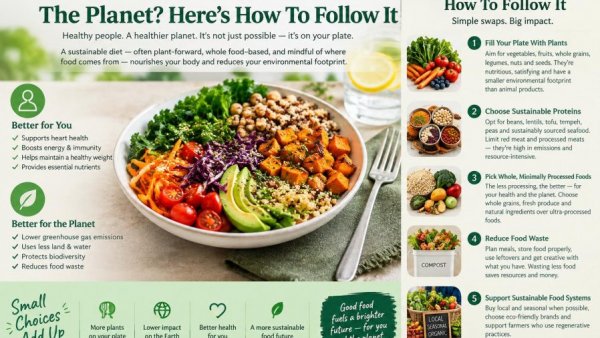
Update A Holistic Approach to Eating: Health Equals Planetary CareAs awareness about climate change grows, so too does interest in how our dietary choices impact both our health and the environment. The Planetary Health Diet strives to bridge these two essential needs, showing us that by making informed food choices, we can cultivate a sustainable future while improving our overall well-being.Understanding the Planetary Health Diet FrameworkThis framework, developed by the EAT-Lancet Commission, emphasizes a diet rich in whole grains, fruits, vegetables, legumes, nuts, and unsaturated oils while suggesting restrictions on red meat, added sugars, and refined grains. Researchers recently assessed the correlation between adherence to this diet among 571 adults and their diet’s environmental impact and overall quality. Results revealed a significant relationship: those who adhered closely to the guidelines experienced better dietary quality and lower carbon footprints. This robust connection can lead not only to personal health benefits but also to major changes in our ecological footprint.The Importance of Nutritional BalanceInterestingly, while following the Planetary Health Diet, participants enjoyed improved nutrient intake, with one exception: vitamin B12. As the consumption of red and processed meats decreased, so too did the vitamin B12 levels among those most committed to the diet. To counteract this, it’s crucial to incorporate high-quality meat options responsibly or consider supplementation to ensure adequate intake. Many health professionals recommend looking for meat and dairy products that come from regeneratively-raised sources, which can provide the necessary nutrients while also supporting environmental health.Actionable Steps for a Sustainable DietTransitioning to the Planetary Health Diet doesn’t have to be daunting; small changes can lead to significant impacts. Start by gradually increasing plant-based options, such as beans, whole grains, nuts, vegetables, and fish, in your meals. Consider launching into new culinary experiences with meatless Mondays or plant-based cooking classes. You might discover exciting new flavors! Additionally, consider investing in reusable food storage containers and exploring sustainable lifestyle brands in Australia. These changes can seamlessly direct your palate away from processed foods while supporting ethical brands aligned with your values.Why This Matters NowAs we navigate societal shifts towards sustainability and healthier living, it’s more critical than ever to understand how our meal choices contribute to broader health outcomes. The consequences of our eating habits reach beyond individual health — they influence the wellbeing of communities, ecosystems, and the economy. By adopting a plant-based approach combined with occasional high-quality meat consumption, we empower not just ourselves but the planet.Beyond Diet: Connecting Community and HealthBeyond personal health and environmental benefits, adopting such a diet fosters community connections and encourages local economies—consider sourcing ingredients from farmers’ markets or engaging in community-supported agriculture (CSA). Buying directly from local producers can strengthen the ties between local farmers and consumers while ensuring fresher, often more nutritious food options. Additionally, participating in local food initiatives, like community gardens or food co-ops, can create a support network for sharing recipes, cooking techniques, and lifestyle tips that promote health and sustainability.The Role of Mindful EatingMindful eating can also enhance the experience of following the Planetary Health Diet. Taking the time to appreciate your food can promote better digestion and a deeper connection to the origins of what you eat. This practice encourages planning meals around seasonal produce, which can lead to more flavorful dishes and a greater sense of satisfaction. Furthermore, being present during meals can help avoid overeating and foster a more intuitive understanding of your body’s nutritional needs.Final Thoughts: Embracing Planetary HealthIn conclusion, embracing the Planetary Health Diet provides a dual benefit: nurturing our bodies while caring for the Earth. The framework offers flexibility, incorporating your preferences to achieve a balanced, nutritious diet that honors your personal health priorities and the planet's health. With a commitment to sustainability, you not only enrich your life but contribute to a legacy of responsible living for future generations. Remember, every small change in our diets can lead to substantial impacts, both personally and globally, creating a healthier planet for all.

11.22.2026

Dietary Fats and Cancer Risk: Understanding the Connection and Making Healthier Choices

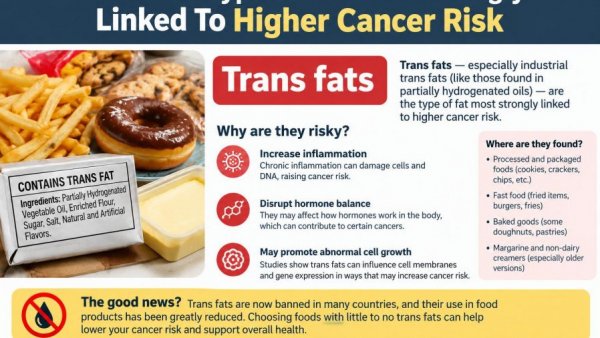
Update Understanding the Link Between Dietary Fats and Cancer Risk The conversation about dietary fat is often clouded with confusion. As health-conscious adults strive for a holistic approach to wellness, recognizing the nuances of fat types becomes critical. Recent research highlights that not all fats are created equal, influencing not just heart health but also cancer risk. The exploration of dietary fats plays a significant role in guiding our food choices that ultimately affect our health outcomes. New Insights from Comprehensive Research A recent umbrella review, which synthesized findings from 23 meta-analyses, confirmed the impact of fat consumption on various cancer risks. By analyzing substantial data spanning multiple scientific studies published through September 2025, researchers employed the AMSTAR-2 quality assessment and GRADE for certainty of evidence, unveiling significant insights into how different fats affect cancer outcomes. This extensive evaluation is considered one of the premier methodologies in nutritional research, emphasizing the need for informed dietary decisions. The Impact of Saturated Fats The findings are particularly significant concerning saturated fats, commonly found in processed foods and red meats. The review noted a 10% increase in the risk of breast cancer and staggering rises of 31% for gastric cancer, 34% for liver cancer, and a shocking 88% for esophageal cancer linked to saturated fat intake. This highlights the importance of scrutinizing the types of fats we include in our diets. As many adults enjoy convenience foods, it’s essential to be aware of the hidden saturated fats in items such as fast food, baked goods, and snack items. Polyunsaturated Fats: A Protective Ally Conversely, polyunsaturated fats, often derived from plant sources such as nuts, seeds, and fish, showed a potential protective effect, correlating with a 23% reduction in gastric cancer risk. This discovery points toward the necessity of prioritizing unsaturated fats, emblematic of a balanced and health-centric diet. Incorporating sources like olive oil, avocados, and fatty fish can contribute to overall health and potentially lower cancer risks, making them valuable additions to your grocery list. Reevaluating Dietary Choices for Cancer Prevention So why do these fats exert such varied influences on cancer risk? The authors of the review suggested several biological pathways, including inflammation regulation and cellular energy metabolism, that underscore the importance of dietary fat quality. Additionally, understanding the role of fat in cellular functions and hormone regulation emphasizes the complexity behind dietary impacts on health. Balancing Fat Intake for Long-Term Health In light of these findings, it's essential to shift the narrative surrounding dietary fat from one of fear and avoidance to one of informed choices. Instead of demonizing all fats, it’s crucial to focus on incorporating healthy fats into our diets, emphasizing those from whole, less-processed sources, which can help foster overall well-being. This approach can significantly alter your meals without sacrificing flavor or enjoyment. Simple swaps, such as replacing butter with olive oil or choosing nut butters over margarine, can lead to healthier eating patterns. The Bigger Picture: A Holistic Approach to Nutrition This study is an essential addition to our understanding of nutrition and cancer risk. By shifting towards unsaturated fat sources and minimizing saturated fats, particularly from processed foods, individuals can take proactive steps in their health journey. Not only does this approach benefit cancer risk, but it also complements a broader commitment to sustainable living, as a greater emphasis on plant-based fats can lead to lower carbon footprints. Integrating more fruits, vegetables, and whole grains can enhance overall eating quality while being environmentally friendly. Call to Action: Make Informed Dietary Changes As you consider your dietary choices, aim to embrace a sustainable and health-oriented lifestyle. Explore eco-friendly brands in your area to source quality ingredients, consider reusable food storage solutions, and gradually replace unhealthy fats with nutritious alternatives. It’s helpful to read labels and recognize the types of fats present in processed foods. Every small step counts in building a healthier you. By becoming a more conscious consumer, you not only improve your health but also contribute to the well-being of our planet.

11.21.2026

Why Your Daily Tea Might Contain Up to 2,498 Microplastics

Update The Hidden Dangers in Your Favorite Brew: Microplastics in Tea As cozy sweaters and warm evenings settle in, many of us find comfort in sipping several cups of tea each day. While tea is celebrated for its myriad health benefits—from boosting heart health to promoting relaxation—new research forces us to reconsider what we might be brewing alongside it. The recent study published in npj Science of Food raises the alarming possibility that each cup of tea could come with a hefty dose of microplastics, depending largely on the type of tea bag used. What the Study Found: The Shocking Numbers The researchers set out to investigate the extent to which tea bags contribute to microplastic contamination. Analyzing 14 different brands of bagged tea alongside loose-leaf varieties, they brewed samples in boiling water for three minutes. The results revealed that plastic tea bags released a staggering up to 2,498 microplastic particles per cup, in stark contrast to the mere 0.3 to 2.4 particles found in loose-leaf tea. This staggering difference indicates that the materials used in the tea bags themselves—primarily polyamide fibers, commonly known as nylon—are the culprits behind the high microplastic concentrations. Understanding the Risks: BPA and Phthalates The research did not stop at microplastics; it also looked for harmful chemicals like bisphenol A (BPA) and phthalate esters, which are often linked to various health concerns, including hormone disruptions. BPA alone could account for significant portions of one's daily intake based on tea consumption. For health-conscious adults, the implications of continuously sipping high levels of microplastics and these harmful compounds cannot be overlooked. Why It Matters: Broader Implications for Our Health In a world where sustainability and health go hand in hand, the revelation about plastic tea bags serves as a crucial reminder to carefully evaluate not just what we consume, but how it’s packaged. With growing concerns over microplastics in food and drink, this study underscores the importance of making informed choices. Choosing loose-leaf tea over plastic-wrapped options not only reduces plastic waste but also lowers the risk of harmful chemical exposure, supporting a more sustainable lifestyle. Practical Tips to Minimize Microplastic Exposure Fortunately, transitioning away from plastic tea bags doesn't mean sacrificing flavor or enjoyment. Here are a few actionable insights to enhance your tea ritual: Make the Switch: Opt for loose-leaf tea instead of bagged varieties. Loose-leaf tea not only tastes better but reduces microplastic consumption. Invest in Quality: Look for high-quality, organic tea brands that prioritize eco-friendly packaging. Many brands are steering clear of plastics altogether. Try Alternatives: Explore other tea-infused drinks, such as herbal blends, which may have fewer contaminants. By making these small adjustments, tea lovers can continue to enjoy their daily ritual while being kinder to their bodies and the planet. Conclusion: Embrace a Healthier Tea Experience Tea still holds a wealth of health benefits, from antioxidants to the comforting routine of brewing a warm cup. Yet, as this research highlights, we must remain vigilant about what goes into our bodies. As eco-conscious consumers, shifting towards sustainable practices can help mitigate health risks while fostering a commitment to environmental stewardship. So next time you reach for that cozy cup of tea, consider opting for loose-leaf flavors and be intentional about your choices. Ready to take your health and sustainability journey to the next level? Explore eco-friendly brands that align with your values and taste preferences today!

Direct Cell Nutrition News

Addressing the root causes of ATP production, oxygen deficiency, inflammation, toxicity, and hormone collapse – through high-bioavailability protocols.

COMPANY

  • Privacy Policy
  • Terms of Use
  • Advertise
  • Contact Us
  • Menu 5
  • Menu 6

PROVIDING ONLINE

Health & Wellness

Solutions

www.directcellnutrition.com

ABOUT US

Direct Cell Nutrition leads the shift toward absorption-first wellness, rooted in plant based delivery systems and cellular intelligence. Our mission is to educate, empower, and elevate those seeking real health solutions from the inside out.

© 2026 Direct Cell Nutrition All Rights Reserved. Providing Online, Health, And Wellness . Contact Us . Terms of Service . Privacy Policy

eyJjb21wYW55IjoiRGlyZWN0IENlbGwgTnV0cml0aW9uIiwiYWRkcmVzcyI6IlByb3ZpZGluZyBPbmxpbmUiLCJjaXR5IjoiSGVhbHRoIiwic3RhdGUiOiJBbmQiLCJ6aXAiOiJXZWxsbmVzcyIsImVtYWlsIjoiYWRtaW5AZGlyZWN0Y2VsbG51dHJpdGlvbi5jb20iLCJ0b3MiOiJQSEErUEhOMGNtOXVaejQ4WlcwK1YyaGxiaUI1YjNVZ2MybG5iaTFwYmlCM2FYUm9JSFZ6TENCNWIzVWdZWEpsSUdkcGRtbHVaeVp1WW5Od095QjViM1Z5SUhCbGNtMXBjM05wYjI0Z1lXNWtJR052Ym5ObGJuUWdkRzhnYzJWdVpDQjViM1VnWlcxaGFXd2dZVzVrTDI5eUlGTk5VeUIwWlhoMElHMWxjM05oWjJWekxpQkNlU0JqYUdWamEybHVaeUIwYUdVZ1ZHVnliWE1nWVc1a0lFTnZibVJwZEdsdmJuTWdZbTk0SUdGdVpDQmllU0J6YVdkdWFXNW5JR2x1SUhsdmRTQmhkWFJ2YldGMGFXTmhiR3g1SUdOdmJtWnBjbTBnZEdoaGRDQjViM1VnWVdOalpYQjBJR0ZzYkNCMFpYSnRjeUJwYmlCMGFHbHpJR0ZuY21WbGJXVnVkQzQ4TDJWdFBqd3ZjM1J5YjI1blBqd3ZjRDRLQ2p4d1BqeGhJR2h5WldZOUltaDBkSEE2THk5M2QzY3VaMjl2WjJ4bExtTnZiU0krYUhSMGNEb3ZMM2QzZHk1bmIyOW5iR1V1WTI5dFBDOWhQand2Y0Q0S0NqeHdQaVp1WW5Od096d3ZjRDRLQ2p4d1BqeHpkSEp2Ym1jK1UwVlNWa2xEUlR3dmMzUnliMjVuUGp3dmNENEtDanh3UGxkbElIQnliM1pwWkdVZ1lTQnpaWEoyYVdObElIUm9ZWFFnWTNWeWNtVnVkR3g1SUdGc2JHOTNjeUI1YjNVZ2RHOGdjbVZqWldsMlpTQnlaWEYxWlhOMGN5Qm1iM0lnWm1WbFpHSmhZMnNzSUdOdmJYQmhibmtnYVc1bWIzSnRZWFJwYjI0c0lIQnliMjF2ZEdsdmJtRnNJR2x1Wm05eWJXRjBhVzl1TENCamIyMXdZVzU1SUdGc1pYSjBjeXdnWTI5MWNHOXVjeXdnWkdselkyOTFiblJ6SUdGdVpDQnZkR2hsY2lCdWIzUnBabWxqWVhScGIyNXpJSFJ2SUhsdmRYSWdaVzFoYVd3Z1lXUmtjbVZ6Y3lCaGJtUXZiM0lnWTJWc2JIVnNZWElnY0dodmJtVWdiM0lnWkdWMmFXTmxMaUJaYjNVZ2RXNWtaWEp6ZEdGdVpDQmhibVFnWVdkeVpXVWdkR2hoZENCMGFHVWdVMlZ5ZG1salpTQnBjeUJ3Y205MmFXUmxaQ0FtY1hWdmREdEJVeTFKVXlaeGRXOTBPeUJoYm1RZ2RHaGhkQ0IzWlNCaGMzTjFiV1VnYm04Z2NtVnpjRzl1YzJsaWFXeHBkSGtnWm05eUlIUm9aU0IwYVcxbGJHbHVaWE56TENCa1pXeGxkR2x2Yml3Z2JXbHpMV1JsYkdsMlpYSjVJRzl5SUdaaGFXeDFjbVVnZEc4Z2MzUnZjbVVnWVc1NUlIVnpaWElnWTI5dGJYVnVhV05oZEdsdmJuTWdiM0lnY0dWeWMyOXVZV3hwZW1GMGFXOXVJSE5sZEhScGJtZHpMand2Y0Q0S0NqeHdQbGx2ZFNCaGNtVWdjbVZ6Y0c5dWMybGliR1VnWm05eUlHOWlkR0ZwYm1sdVp5QmhZMk5sYzNNZ2RHOGdkR2hsSUZObGNuWnBZMlVnWVc1a0lIUm9ZWFFnWVdOalpYTnpJRzFoZVNCcGJuWnZiSFpsSUhSb2FYSmtJSEJoY25SNUlHWmxaWE1nS0hOMVkyZ2dZWE1nVTAxVElIUmxlSFFnYldWemMyRm5aWE1zSUVsdWRHVnlibVYwSUhObGNuWnBZMlVnY0hKdmRtbGtaWElnYjNJZ1kyVnNiSFZzWVhJZ1lXbHlkR2x0WlNCamFHRnlaMlZ6S1M0Z1dXOTFJR0Z5WlNCeVpYTndiMjV6YVdKc1pTQm1iM0lnZEdodmMyVWdabVZsY3l3Z2FXNWpiSFZrYVc1bklIUm9iM05sSUdabFpYTWdZWE56YjJOcFlYUmxaQ0IzYVhSb0lIUm9aU0JrYVhOd2JHRjVJRzl5SUdSbGJHbDJaWEo1SUc5bUlHVmhZMmdnVTAxVElIUmxlSFFnYldWemMyRm5aU0J6Wlc1MElIUnZJSGx2ZFNCaWVTQjFjeTRnU1c0Z1lXUmthWFJwYjI0c0lIbHZkU0J0ZFhOMElIQnliM1pwWkdVZ1lXNWtJR0Z5WlNCeVpYTndiMjV6YVdKc1pTQm1iM0lnWVd4c0lHVnhkV2x3YldWdWRDQnVaV05sYzNOaGNua2dkRzhnWVdOalpYTnpJSFJvWlNCVFpYSjJhV05sSUdGdVpDQnlaV05sYVhabElIUm9aU0JUVFZNZ2RHVjRkQ0J0WlhOellXZGxjeTRnVjJVZ1pHOGdibTkwSUdOb1lYSm5aU0JoYm5rZ1ptVmxjeUJtYjNJZ1pHVnNhWFpsY25rZ2IyWWdaVzFoYVd3Z2IzSWdVMDFUTGlCVWFHbHpJR2x6SUdFZ1puSmxaU0J6WlhKMmFXTmxJSEJ5YjNacFpHVmtJR0o1SUhWekxpQkliM2RsZG1WeUxDQndiR1ZoYzJVZ1kyaGxZMnNnZDJsMGFDQjViM1Z5SUdsdWRHVnlibVYwSUhObGNuWnBZMlVnY0hKdmRtbGtaWElnWVc1a0lHTmxiR3gxYkdGeUlHTmhjbkpwWlhJZ1ptOXlJR0Z1ZVNCamFHRnlaMlZ6SUhSb1lYUWdiV0Y1SUdsdVkzVnlJR0Z6SUdFZ2NtVnpkV3gwSUdaeWIyMGdjbVZqWldsMmFXNW5JR1Z0WVdsc0lHRnVaQ0JUVFZNZ2RHVjRkQ0J0WlhOellXZGxjeUIwYUdGMElIZGxJR1JsYkdsMlpYSWdkWEJ2YmlCNWIzVnlJRzl3ZEMxcGJpQmhibVFnY21WbmFYTjBjbUYwYVc5dUlIZHBkR2dnYjNWeUlHVnRZV2xzSUdGdVpDQlRUVk1nYzJWeWRtbGpaWE11SUZsdmRTQmpZVzRnWTJGdVkyVnNJR0YwSUdGdWVTQjBhVzFsTGlCS2RYTjBJSFJsZUhRZ0puRjFiM1E3VTFSUFVDWnhkVzkwT3lCMGJ5WnVZbk53T3p4b2FXZG9iR2xuYUhRZ1kyeGhjM005SW1OdmJYQmhibmxUVFZOUWFHOXVaVlZ3WkdGMFpTSStiblZzYkR3dmFHbG5hR3hwWjJoMFBpNGdRV1owWlhJZ2VXOTFJSE5sYm1RZ2RHaGxJRk5OVXlCdFpYTnpZV2RsSUNaeGRXOTBPMU5VVDFBbWNYVnZkRHNnZEc4Z2RYTXNJSGRsSUhkcGJHd2djMlZ1WkNCNWIzVWdZVzRnVTAxVElHMWxjM05oWjJVZ2RHOGdZMjl1Wm1seWJTQjBhR0YwSUhsdmRTQm9ZWFpsSUdKbFpXNGdkVzV6ZFdKelkzSnBZbVZrTGlCQlpuUmxjaUIwYUdsekxDQjViM1VnZDJsc2JDQnVieUJzYjI1blpYSWdjbVZqWldsMlpTQlRUVk1nYldWemMyRm5aWE1nWm5KdmJTQjFjeTQ4TDNBK0NnbzhjRDQ4YzNSeWIyNW5QbGxQVlZJZ1VrVkhTVk5VVWtGVVNVOU9JRTlDVEVsSFFWUkpUMDVUUEM5emRISnZibWMrUEM5d1Bnb0tQSEErU1c0Z1kyOXVjMmxrWlhKaGRHbHZiaUJ2WmlCNWIzVnlJSFZ6WlNCdlppQjBhR1VnVTJWeWRtbGpaU3dnZVc5MUlHRm5jbVZsSUhSdk9qd3ZjRDRLQ2p4dmJENEtDVHhzYVQ1d2NtOTJhV1JsSUhSeWRXVXNJR0ZqWTNWeVlYUmxMQ0JqZFhKeVpXNTBJR0Z1WkNCamIyMXdiR1YwWlNCcGJtWnZjbTFoZEdsdmJpQmhZbTkxZENCNWIzVnljMlZzWmlCaGN5QndjbTl0Y0hSbFpDQmllU0IwYUdVZ1UyVnlkbWxqWlNZak16azdjeUJ5WldkcGMzUnlZWFJwYjI0Z1ptOXliU0FvYzNWamFDQnBibVp2Y20xaGRHbHZiaUJpWldsdVp5QjBhR1VnSm5GMWIzUTdVbVZuYVhOMGNtRjBhVzl1SUVSaGRHRW1jWFZ2ZERzcElHRnVaRHd2YkdrK0NnazhiR2srYldGcGJuUmhhVzRnWVc1a0lIQnliMjF3ZEd4NUlIVndaR0YwWlNCMGFHVWdVbVZuYVhOMGNtRjBhVzl1SUVSaGRHRWdkRzhnYTJWbGNDQnBkQ0IwY25WbExDQmhZMk4xY21GMFpTd2dZM1Z5Y21WdWRDQmhibVFnWTI5dGNHeGxkR1V1SUVsbUlIbHZkU0J3Y205MmFXUmxJR0Z1ZVNCcGJtWnZjbTFoZEdsdmJpQjBhR0YwSUdseklIVnVkSEoxWlN3Z2FXNWhZMk4xY21GMFpTd2dibTkwSUdOMWNuSmxiblFnYjNJZ2FXNWpiMjF3YkdWMFpTd2diM0lnZDJVZ2FHRjJaU0J5WldGemIyNWhZbXhsSUdkeWIzVnVaSE1nZEc4Z2MzVnpjR1ZqZENCMGFHRjBJSE4xWTJnZ2FXNW1iM0p0WVhScGIyNGdhWE1nZFc1MGNuVmxMQ0JwYm1GalkzVnlZWFJsTENCdWIzUWdZM1Z5Y21WdWRDQnZjaUJwYm1OdmJYQnNaWFJsTENCM1pTQm9ZWFpsSUhSb1pTQnlhV2RvZENCMGJ5QnpkWE53Wlc1a0lHOXlJRHh6ZEhKdmJtYytQSE53WVc0Z2MzUjViR1U5SW1OdmJHOXlPaU5HUmpBd01EQTdJajUwWlhKdGFXNWhkR1VnZVc5MWNpQmhZMk52ZFc1MEwzQnliMlpwYkdVZ1lXNWtJSEpsWm5WelpTQmhibmtnWVc1a0lHRnNiQ0JqZFhKeVpXNTBJRzl5SUdaMWRIVnlaU0IxYzJVZ2IyWWdkR2hsSUZObGNuWnBZMlVnS0c5eUlHRnVlU0J3YjNKMGFXOXVJSFJvWlhKbGIyWXBMand2YzNCaGJqNDhMM04wY205dVp6NDhMMnhwUGdvOEwyOXNQZ29LUEhBK0ptNWljM0E3UEM5d1BnbzhhR2xuYUd4cFoyaDBJR05zWVhOelBTSmpiMjF3WVc1NVRtRnRaVlZ3WkdGMFpTSStSR2x5WldOMElFTmxiR3dnVG5WMGNtbDBhVzl1UEM5b2FXZG9iR2xuYUhRK1BHSnlJQzgrQ2p4b2FXZG9iR2xuYUhRZ1kyeGhjM005SW1OdmJYQmhibmxCWkdSeVpYTnpWWEJrWVhSbElqNVFjbTkyYVdScGJtY2dUMjVzYVc1bExDQklaV0ZzZEdnc0lFRnVaQ0JYWld4c2JtVnpjend2YUdsbmFHeHBaMmgwUGp4aWNpQXZQZ284YUdsbmFHeHBaMmgwSUdOc1lYTnpQU0pqYjIxd1lXNTVVR2h2Ym1WVmNHUmhkR1VpUGlzMk1UUXdPRGswTlRBME9Ed3ZhR2xuYUd4cFoyaDBQanhpY2lBdlBnbzhhR2xuYUd4cFoyaDBJR05zWVhOelBTSmpiMjF3WVc1NVJXMWhhV3hWY0dSaGRHVWlQbUZrYldsdVFHUnBjbVZqZEdObGJHeHVkWFJ5YVhScGIyNHVZMjl0UEM5b2FXZG9iR2xuYUhRKyIsInByaXZhY3kiOiJQSEErUEhOMGNtOXVaejVRVWtsV1FVTlpQQzl6ZEhKdmJtYytQQzl3UGdvS1BIQStQSE4wY205dVp6NVVhR1VnYVc1bWIzSnRZWFJwYjI0Z2NISnZkbWxrWldRZ1pIVnlhVzVuSUhSb2FYTWdjbVZuYVhOMGNtRjBhVzl1SUdseklHdGxjSFFnY0hKcGRtRjBaU0JoYm1RZ1kyOXVabWxrWlc1MGFXRnNMQ0JoYm1RZ2QybHNiQ0J1WlhabGNpQmlaU0JrYVhOMGNtbGlkWFJsWkN3Z1kyOXdhV1ZrTENCemIyeGtMQ0IwY21Ga1pXUWdiM0lnY0c5emRHVmtJR2x1SUdGdWVTQjNZWGtzSUhOb1lYQmxJRzl5SUdadmNtMHVJRlJvYVhNZ2FYTWdiM1Z5SUdkMVlYSmhiblJsWlM0OEwzTjBjbTl1Wno0OEwzQStDZ284Y0Q0OGMzUnliMjVuUGtsT1JFVk5Ua2xVV1R3dmMzUnliMjVuUGp3dmNENEtDanh3UGp4bGJUNVpiM1VnWVdkeVpXVWdkRzhnYVc1a1pXMXVhV1o1SUdGdVpDQm9iMnhrSUhWekxDQmhibVFnYVhSeklITjFZbk5wWkdsaGNtbGxjeXdnWVdabWFXeHBZWFJsY3l3Z2IyWm1hV05sY25Nc0lHRm5aVzUwY3l3Z1kyOHRZbkpoYm1SbGNuTWdiM0lnYjNSb1pYSWdjR0Z5ZEc1bGNuTXNJR0Z1WkNCbGJYQnNiM2xsWlhNc0lHaGhjbTFzWlhOeklHWnliMjBnWVc1NUlHTnNZV2x0SUc5eUlHUmxiV0Z1WkN3Z2FXNWpiSFZrYVc1bklISmxZWE52Ym1GaWJHVWdZWFIwYjNKdVpYbHpKaU16T1RzZ1ptVmxjeXdnYldGa1pTQmllU0JoYm5rZ2RHaHBjbVFnY0dGeWRIa2daSFZsSUhSdklHOXlJR0Z5YVhOcGJtY2diM1YwSUc5bUlFTnZiblJsYm5RZ2VXOTFJSEpsWTJWcGRtVXNJSE4xWW0xcGRDd2djbVZ3Ykhrc0lIQnZjM1FzSUhSeVlXNXpiV2wwSUc5eUlHMWhhMlVnWVhaaGFXeGhZbXhsSUhSb2NtOTFaMmdnZEdobElGTmxjblpwWTJVc0lIbHZkWElnZFhObElHOW1JSFJvWlNCVFpYSjJhV05sTENCNWIzVnlJR052Ym01bFkzUnBiMjRnZEc4Z2RHaGxJRk5sY25acFkyVXNJSGx2ZFhJZ2RtbHZiR0YwYVc5dUlHOW1JSFJvWlNCVVQxTXNJRzl5SUhsdmRYSWdkbWx2YkdGMGFXOXVJRzltSUdGdWVTQnlhV2RvZEhNZ2IyWWdZVzV2ZEdobGNpNDhMMlZ0UGp3dmNENEtDanh3UGp4emRISnZibWMrUkVsVFEweEJTVTFGVWlCUFJpQlhRVkpTUVU1VVNVVlRQQzl6ZEhKdmJtYytQQzl3UGdvS1BIQStQSE4wY205dVp6NVpUMVVnUlZoUVVrVlRVMHhaSUZWT1JFVlNVMVJCVGtRZ1FVNUVJRUZIVWtWRklGUklRVlE2UEM5emRISnZibWMrUEM5d1Bnb0tQRzlzUGdvSlBHeHBQbGxQVlZJZ1ZWTkZJRTlHSUZSSVJTQlRSVkpXU1VORklFbFRJRUZVSUZsUFZWSWdVMDlNUlNCU1NWTkxMaUJVU0VVZ1UwVlNWa2xEUlNCSlV5QlFVazlXU1VSRlJDQlBUaUJCVGlBbWNYVnZkRHRCVXlCSlV5WnhkVzkwT3lCQlRrUWdKbkYxYjNRN1FWTWdRVlpCU1V4QlFreEZKbkYxYjNRN0lFSkJVMGxUTGlBc0xpQkJUa1FnVlZNc0lFbFVKaU16T1R0VElFTlZVMVJQVFVWU1V5d2dSVmhRVWtWVFUweFpJRVJKVTBOTVFVbE5VeUJCVEV3Z1YwRlNVa0ZPVkVsRlV5QlBSaUJCVGxrZ1MwbE9SQ3dnVjBoRlZFaEZVaUJGV0ZCU1JWTlRJRTlTSUVsTlVFeEpSVVFzSUVsT1EweFZSRWxPUnl3Z1FsVlVJRTVQVkNCTVNVMUpWRVZFSUZSUElGUklSU0JKVFZCTVNVVkVJRmRCVWxKQlRsUkpSVk1nVDBZZ1RVVlNRMGhCVGxSQlFrbE1TVlJaTENCR1NWUk9SVk5USUVaUFVpQkJJRkJCVWxSSlExVk1RVklnVUZWU1VFOVRSU0JCVGtRZ1RrOU9MVWxPUmxKSlRrZEZUVVZPVkM0OEwyeHBQZ29KUEd4cFBrMUJTMFZUSUU1UElGZEJVbEpCVGxSWklGUklRVlFnS0drcElGUklSU0JUUlZKV1NVTkZJRmRKVEV3Z1RVVkZWQ0JaVDFWU0lGSkZVVlZKVWtWTlJVNVVVeXdnS0dscEtTQlVTRVVnVTBWU1ZrbERSU0JYU1V4TUlFSkZJRlZPU1U1VVJWSlNWVkJVUlVRc0lGUkpUVVZNV1N3Z1UwVkRWVkpGTENCUFVpQkZVbEpQVWkxR1VrVkZMQ0FvYVdscEtTQlVTRVVnVWtWVFZVeFVVeUJVU0VGVUlFMUJXU0JDUlNCUFFsUkJTVTVGUkNCR1VrOU5JRlJJUlNCVlUwVWdUMFlnVkVoRklGTkZVbFpKUTBVZ1YwbE1UQ0JDUlNCQlEwTlZVa0ZVUlNCUFVpQlNSVXhKUVVKTVJTd2dRVTVFSUNocGRpa2dRVTVaSUVWU1VrOVNVeUJKVGlCVVNFVWdVMDlHVkZkQlVrVWdWMGxNVENCQ1JTQkRUMUpTUlVOVVJVUXVQQzlzYVQ0S0NUeHNhVDVCVGxrZ1RVRlVSVkpKUVV3Z1JFOVhUa3hQUVVSRlJDQlBVaUJQVkVoRlVsZEpVMFVnVDBKVVFVbE9SVVFnVkVoU1QxVkhTQ0JVU0VVZ1ZWTkZJRTlHSUZSSVJTQlRSVkpXU1VORklFbFRJRVJQVGtVZ1FWUWdXVTlWVWlCUFYwNGdSRWxUUTFKRlZFbFBUaUJCVGtRZ1VrbFRTeUJCVGtRZ1ZFaEJWQ0JaVDFVZ1YwbE1UQ0JDUlNCVFQweEZURmtnVWtWVFVFOU9VMGxDVEVVZ1JrOVNJRUZPV1NCRVFVMUJSMFVnVkU4Z1dVOVZVaUJEVDAxUVZWUkZVaUJUV1ZOVVJVMGdUMUlnVEU5VFV5QlBSaUJFUVZSQklGUklRVlFnVWtWVFZVeFVVeUJHVWs5TklGUklSU0JFVDFkT1RFOUJSQ0JQUmlCQlRsa2dVMVZEU0NCTlFWUkZVa2xCVEM0OEwyeHBQZ29KUEd4cFBrNVBJRUZFVmtsRFJTQlBVaUJKVGtaUFVrMUJWRWxQVGl3Z1YwaEZWRWhGVWlCUFVrRk1JRTlTSUZkU1NWUlVSVTRzSUU5Q1ZFRkpUa1ZFSUVKWklGbFBWU0JHVWs5TklFOVNJRlJJVWs5VlIwZ2dUMUlnUmxKUFRTQlVTRVVnVTBWU1ZrbERSU0JUU0VGTVRDQkRVa1ZCVkVVZ1FVNVpJRmRCVWxKQlRsUlpJRTVQVkNCRldGQlNSVk5UVEZrZ1UxUkJWRVZFSUVsT0lGUklSU0JVVDFNdVBDOXNhVDRLUEM5dmJENEtDanh3UGp4emRISnZibWMrVEVsTlNWUkJWRWxQVGlCUFJpQk1TVUZDU1V4SlZGazhMM04wY205dVp6NDhMM0ErQ2dvOGNENVpUMVVnUlZoUVVrVlRVMHhaSUZWT1JFVlNVMVJCVGtRZ1FVNUVJRUZIVWtWRklGUklRVlFnUVU1RUlGTklRVXhNSUU1UFZDQkNSU0JNU1VGQ1RFVWdSazlTSUVGT1dTQkVTVkpGUTFRc0lFbE9SRWxTUlVOVUxDQkpUa05KUkVWT1ZFRk1MQ0JUVUVWRFNVRk1MQ0JEVDA1VFJWRlZSVTVVU1VGTUlFOVNJRVZZUlUxUVRFRlNXU0JFUVUxQlIwVlRMQ0JKVGtOTVZVUkpUa2NnUWxWVUlFNVBWQ0JNU1UxSlZFVkVJRlJQTENCRVFVMUJSMFZUSUVaUFVpQk1UMU5USUU5R0lGQlNUMFpKVkZNc0lFZFBUMFJYU1V4TUxDQlZVMFVzSUVSQlZFRWdUMUlnVDFSSVJWSWdTVTVVUVU1SFNVSk1SU0JNVDFOVFJWTWdLRVZXUlU0Z1NVWWdTRUZUSUVKRlJVNGdRVVJXU1ZORlJDQlBSaUJVU0VVZ1VFOVRVMGxDU1V4SlZGa2dUMFlnVTFWRFNDQkVRVTFCUjBWVEtTd2dVa1ZUVlV4VVNVNUhJRVpTVDAwNlBDOXdQZ29LUEc5c1Bnb0pQR3hwUGxSSVJTQlZVMFVnVDFJZ1ZFaEZJRWxPUVVKSlRFbFVXU0JVVHlCVlUwVWdWRWhGSUZORlVsWkpRMFU3UEM5c2FUNEtDVHhzYVQ1VVNFVWdRMDlUVkNCUFJpQlFVazlEVlZKRlRVVk9WQ0JQUmlCVFZVSlRWRWxVVlZSRklFZFBUMFJUSUVGT1JDQlRSVkpXU1VORlV5QlNSVk5WVEZSSlRrY2dSbEpQVFNCQlRsa2dSMDlQUkZNc0lFUkJWRUVzSUVsT1JrOVNUVUZVU1U5T0lFOVNJRk5GVWxaSlEwVlRJRkJWVWtOSVFWTkZSQ0JQVWlCUFFsUkJTVTVGUkNCUFVpQk5SVk5UUVVkRlV5QlNSVU5GU1ZaRlJDQlBVaUJVVWtGT1UwRkRWRWxQVGxNZ1JVNVVSVkpGUkNCSlRsUlBJRlJJVWs5VlIwZ2dUMUlnUmxKUFRTQlVTRVVnVTBWU1ZrbERSVHM4TDJ4cFBnb0pQR3hwUGxWT1FWVlVTRTlTU1ZwRlJDQkJRME5GVTFNZ1ZFOGdUMUlnUVV4VVJWSkJWRWxQVGlCUFJpQlpUMVZTSUZSU1FVNVRUVWxUVTBsUFRsTWdUMUlnUkVGVVFUczhMMnhwUGdvSlBHeHBQbE5VUVZSRlRVVk9WRk1nVDFJZ1EwOU9SRlZEVkNCUFJpQkJUbGtnVkVoSlVrUWdVRUZTVkZrZ1QwNGdWRWhGSUZORlVsWkpRMFU3SUU5U1BDOXNhVDRLQ1R4c2FUNUJUbGtnVDFSSVJWSWdUVUZVVkVWU0lGSkZURUZVU1U1SElGUlBJRlJJUlNCVFJWSldTVU5GTGp3dmJHaytDand2YjJ3K0NnbzhjRDQ4ZFQ1Q2VTQnlaV2RwYzNSbGNtbHVaeUJoYm1RZ2MzVmljMk55YVdKcGJtY2dkRzhnYjNWeUlHVnRZV2xzSUdGdVpDQlRUVk1nYzJWeWRtbGpaU3dnWW5rZ2IzQjBMV2x1TENCdmJteHBibVVnY21WbmFYTjBjbUYwYVc5dUlHOXlJR0o1SUdacGJHeHBibWNnYjNWMElHRWdZMkZ5WkN3Z0puRjFiM1E3ZVc5MUlHRm5jbVZsSUhSdklIUm9aWE5sSUZSRlVrMVRJRTlHSUZORlVsWkpRMFVtY1hWdmREc2dZVzVrSUhsdmRTQmhZMnR1YjNkc1pXUm5aU0JoYm1RZ2RXNWtaWEp6ZEdGdVpDQjBhR1VnWVdKdmRtVWdkR1Z5YlhNZ2IyWWdjMlZ5ZG1salpTQnZkWFJzYVc1bFpDQmhibVFnWkdWMFlXbHNaV1FnWm05eUlIbHZkU0IwYjJSaGVTNDhMM1UrUEM5d1Bnb0tQSEErSm01aWMzQTdQQzl3UGdvOGFHbG5hR3hwWjJoMElHTnNZWE56UFNKamIyMXdZVzU1VG1GdFpWVndaR0YwWlNJK1JHbHlaV04wSUVObGJHd2dUblYwY21sMGFXOXVQQzlvYVdkb2JHbG5hSFErUEdKeUlDOCtDanhvYVdkb2JHbG5hSFFnWTJ4aGMzTTlJbU52YlhCaGJubEJaR1J5WlhOelZYQmtZWFJsSWo1UWNtOTJhV1JwYm1jZ1QyNXNhVzVsTENCSVpXRnNkR2dzSUVGdVpDQlhaV3hzYm1WemN6d3ZhR2xuYUd4cFoyaDBQanhpY2lBdlBnbzhhR2xuYUd4cFoyaDBJR05zWVhOelBTSmpiMjF3WVc1NVVHaHZibVZWY0dSaGRHVWlQaXMyTVRRd09EazBOVEEwT0R3dmFHbG5hR3hwWjJoMFBqeGljaUF2UGdvOGFHbG5hR3hwWjJoMElHTnNZWE56UFNKamIyMXdZVzU1UlcxaGFXeFZjR1JoZEdVaVBtRmtiV2x1UUdScGNtVmpkR05sYkd4dWRYUnlhWFJwYjI0dVkyOXRQQzlvYVdkb2JHbG5hSFErIn0=

Terms of Service

Privacy Policy

Core Modal Title

Sorry, no results found

You Might Find These Articles Interesting

T
Please Check Your Email
We Will Be Following Up Shortly
*
*
*