

The Hidden Dangers in Your Favorite Brew: Microplastics in Tea
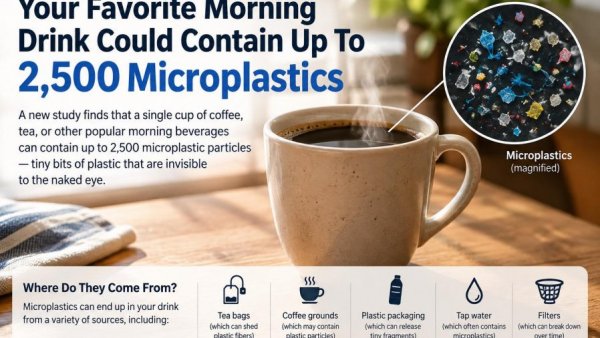
As cozy sweaters and warm evenings settle in, many of us find comfort in sipping several cups of tea each day. While tea is celebrated for its myriad health benefits—from boosting heart health to promoting relaxation—new research forces us to reconsider what we might be brewing alongside it. The recent study published in npj Science of Food raises the alarming possibility that each cup of tea could come with a hefty dose of microplastics, depending largely on the type of tea bag used.
What the Study Found: The Shocking Numbers
The researchers set out to investigate the extent to which tea bags contribute to microplastic contamination. Analyzing 14 different brands of bagged tea alongside loose-leaf varieties, they brewed samples in boiling water for three minutes. The results revealed that plastic tea bags released a staggering up to 2,498 microplastic particles per cup, in stark contrast to the mere 0.3 to 2.4 particles found in loose-leaf tea. This staggering difference indicates that the materials used in the tea bags themselves—primarily polyamide fibers, commonly known as nylon—are the culprits behind the high microplastic concentrations.
Understanding the Risks: BPA and Phthalates
The research did not stop at microplastics; it also looked for harmful chemicals like bisphenol A (BPA) and phthalate esters, which are often linked to various health concerns, including hormone disruptions. BPA alone could account for significant portions of one's daily intake based on tea consumption. For health-conscious adults, the implications of continuously sipping high levels of microplastics and these harmful compounds cannot be overlooked.
Why It Matters: Broader Implications for Our Health
In a world where sustainability and health go hand in hand, the revelation about plastic tea bags serves as a crucial reminder to carefully evaluate not just what we consume, but how it’s packaged. With growing concerns over microplastics in food and drink, this study underscores the importance of making informed choices. Choosing loose-leaf tea over plastic-wrapped options not only reduces plastic waste but also lowers the risk of harmful chemical exposure, supporting a more sustainable lifestyle.
Practical Tips to Minimize Microplastic Exposure
Fortunately, transitioning away from plastic tea bags doesn't mean sacrificing flavor or enjoyment. Here are a few actionable insights to enhance your tea ritual:
- Make the Switch: Opt for loose-leaf tea instead of bagged varieties. Loose-leaf tea not only tastes better but reduces microplastic consumption.
- Invest in Quality: Look for high-quality, organic tea brands that prioritize eco-friendly packaging. Many brands are steering clear of plastics altogether.
- Try Alternatives: Explore other tea-infused drinks, such as herbal blends, which may have fewer contaminants.
By making these small adjustments, tea lovers can continue to enjoy their daily ritual while being kinder to their bodies and the planet.
Conclusion: Embrace a Healthier Tea Experience
Tea still holds a wealth of health benefits, from antioxidants to the comforting routine of brewing a warm cup. Yet, as this research highlights, we must remain vigilant about what goes into our bodies. As eco-conscious consumers, shifting towards sustainable practices can help mitigate health risks while fostering a commitment to environmental stewardship. So next time you reach for that cozy cup of tea, consider opting for loose-leaf flavors and be intentional about your choices.
Ready to take your health and sustainability journey to the next level? Explore eco-friendly brands that align with your values and taste preferences today!





Write A Comment