

Direct Cell Nutrition
  • Home
  • Categories
    • Oxygen and Energy
    • Hormones and Libido
    • Inflammation and Immunity
    • Brain and Mood
    • Gut and Detox
    • Longevity and Aging
    • Women's Health
    • Men's Health
November 23.2026
3 Minutes Read

Discover the Planetary Health Diet: Your Guide to Eating Sustainably

A Diet That’s Good For You & The Planet? Here’s How To Follow It

A Holistic Approach to Eating: Health Equals Planetary Care

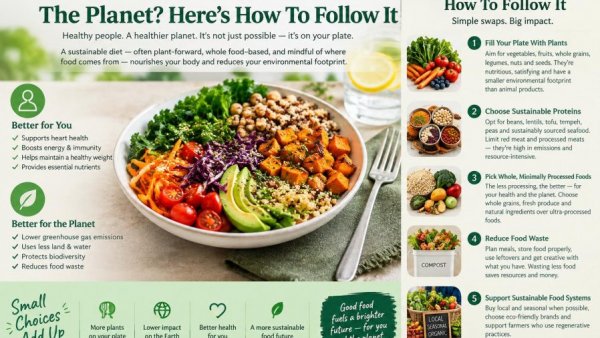
As awareness about climate change grows, so too does interest in how our dietary choices impact both our health and the environment. The Planetary Health Diet strives to bridge these two essential needs, showing us that by making informed food choices, we can cultivate a sustainable future while improving our overall well-being.

Understanding the Planetary Health Diet Framework

This framework, developed by the EAT-Lancet Commission, emphasizes a diet rich in whole grains, fruits, vegetables, legumes, nuts, and unsaturated oils while suggesting restrictions on red meat, added sugars, and refined grains. Researchers recently assessed the correlation between adherence to this diet among 571 adults and their diet’s environmental impact and overall quality. Results revealed a significant relationship: those who adhered closely to the guidelines experienced better dietary quality and lower carbon footprints. This robust connection can lead not only to personal health benefits but also to major changes in our ecological footprint.

The Importance of Nutritional Balance

Interestingly, while following the Planetary Health Diet, participants enjoyed improved nutrient intake, with one exception: vitamin B12. As the consumption of red and processed meats decreased, so too did the vitamin B12 levels among those most committed to the diet. To counteract this, it’s crucial to incorporate high-quality meat options responsibly or consider supplementation to ensure adequate intake. Many health professionals recommend looking for meat and dairy products that come from regeneratively-raised sources, which can provide the necessary nutrients while also supporting environmental health.

Actionable Steps for a Sustainable Diet

Transitioning to the Planetary Health Diet doesn’t have to be daunting; small changes can lead to significant impacts. Start by gradually increasing plant-based options, such as beans, whole grains, nuts, vegetables, and fish, in your meals. Consider launching into new culinary experiences with meatless Mondays or plant-based cooking classes. You might discover exciting new flavors! Additionally, consider investing in reusable food storage containers and exploring sustainable lifestyle brands in Australia. These changes can seamlessly direct your palate away from processed foods while supporting ethical brands aligned with your values.

Why This Matters Now

As we navigate societal shifts towards sustainability and healthier living, it’s more critical than ever to understand how our meal choices contribute to broader health outcomes. The consequences of our eating habits reach beyond individual health — they influence the wellbeing of communities, ecosystems, and the economy. By adopting a plant-based approach combined with occasional high-quality meat consumption, we empower not just ourselves but the planet.

Beyond Diet: Connecting Community and Health

Beyond personal health and environmental benefits, adopting such a diet fosters community connections and encourages local economies—consider sourcing ingredients from farmers’ markets or engaging in community-supported agriculture (CSA). Buying directly from local producers can strengthen the ties between local farmers and consumers while ensuring fresher, often more nutritious food options. Additionally, participating in local food initiatives, like community gardens or food co-ops, can create a support network for sharing recipes, cooking techniques, and lifestyle tips that promote health and sustainability.

The Role of Mindful Eating

Mindful eating can also enhance the experience of following the Planetary Health Diet. Taking the time to appreciate your food can promote better digestion and a deeper connection to the origins of what you eat. This practice encourages planning meals around seasonal produce, which can lead to more flavorful dishes and a greater sense of satisfaction. Furthermore, being present during meals can help avoid overeating and foster a more intuitive understanding of your body’s nutritional needs.

Final Thoughts: Embracing Planetary Health

In conclusion, embracing the Planetary Health Diet provides a dual benefit: nurturing our bodies while caring for the Earth. The framework offers flexibility, incorporating your preferences to achieve a balanced, nutritious diet that honors your personal health priorities and the planet's health. With a commitment to sustainability, you not only enrich your life but contribute to a legacy of responsible living for future generations. Remember, every small change in our diets can lead to substantial impacts, both personally and globally, creating a healthier planet for all.

Gut and Detox

2 Views

0 Comments

Write A Comment

*
*
Please complete the captcha to submit your comment.
Related Posts All Posts
11.22.2026

Dietary Fats and Cancer Risk: Understanding the Connection and Making Healthier Choices

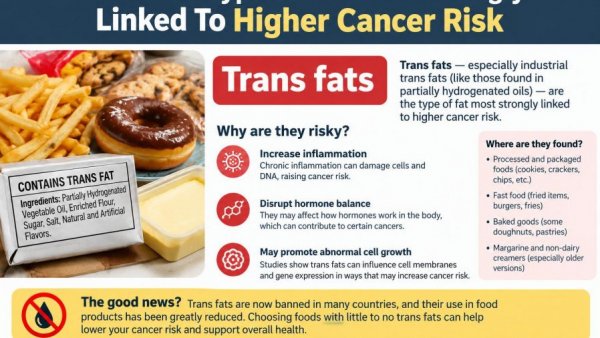
Update Understanding the Link Between Dietary Fats and Cancer Risk The conversation about dietary fat is often clouded with confusion. As health-conscious adults strive for a holistic approach to wellness, recognizing the nuances of fat types becomes critical. Recent research highlights that not all fats are created equal, influencing not just heart health but also cancer risk. The exploration of dietary fats plays a significant role in guiding our food choices that ultimately affect our health outcomes. New Insights from Comprehensive Research A recent umbrella review, which synthesized findings from 23 meta-analyses, confirmed the impact of fat consumption on various cancer risks. By analyzing substantial data spanning multiple scientific studies published through September 2025, researchers employed the AMSTAR-2 quality assessment and GRADE for certainty of evidence, unveiling significant insights into how different fats affect cancer outcomes. This extensive evaluation is considered one of the premier methodologies in nutritional research, emphasizing the need for informed dietary decisions. The Impact of Saturated Fats The findings are particularly significant concerning saturated fats, commonly found in processed foods and red meats. The review noted a 10% increase in the risk of breast cancer and staggering rises of 31% for gastric cancer, 34% for liver cancer, and a shocking 88% for esophageal cancer linked to saturated fat intake. This highlights the importance of scrutinizing the types of fats we include in our diets. As many adults enjoy convenience foods, it’s essential to be aware of the hidden saturated fats in items such as fast food, baked goods, and snack items. Polyunsaturated Fats: A Protective Ally Conversely, polyunsaturated fats, often derived from plant sources such as nuts, seeds, and fish, showed a potential protective effect, correlating with a 23% reduction in gastric cancer risk. This discovery points toward the necessity of prioritizing unsaturated fats, emblematic of a balanced and health-centric diet. Incorporating sources like olive oil, avocados, and fatty fish can contribute to overall health and potentially lower cancer risks, making them valuable additions to your grocery list. Reevaluating Dietary Choices for Cancer Prevention So why do these fats exert such varied influences on cancer risk? The authors of the review suggested several biological pathways, including inflammation regulation and cellular energy metabolism, that underscore the importance of dietary fat quality. Additionally, understanding the role of fat in cellular functions and hormone regulation emphasizes the complexity behind dietary impacts on health. Balancing Fat Intake for Long-Term Health In light of these findings, it's essential to shift the narrative surrounding dietary fat from one of fear and avoidance to one of informed choices. Instead of demonizing all fats, it’s crucial to focus on incorporating healthy fats into our diets, emphasizing those from whole, less-processed sources, which can help foster overall well-being. This approach can significantly alter your meals without sacrificing flavor or enjoyment. Simple swaps, such as replacing butter with olive oil or choosing nut butters over margarine, can lead to healthier eating patterns. The Bigger Picture: A Holistic Approach to Nutrition This study is an essential addition to our understanding of nutrition and cancer risk. By shifting towards unsaturated fat sources and minimizing saturated fats, particularly from processed foods, individuals can take proactive steps in their health journey. Not only does this approach benefit cancer risk, but it also complements a broader commitment to sustainable living, as a greater emphasis on plant-based fats can lead to lower carbon footprints. Integrating more fruits, vegetables, and whole grains can enhance overall eating quality while being environmentally friendly. Call to Action: Make Informed Dietary Changes As you consider your dietary choices, aim to embrace a sustainable and health-oriented lifestyle. Explore eco-friendly brands in your area to source quality ingredients, consider reusable food storage solutions, and gradually replace unhealthy fats with nutritious alternatives. It’s helpful to read labels and recognize the types of fats present in processed foods. Every small step counts in building a healthier you. By becoming a more conscious consumer, you not only improve your health but also contribute to the well-being of our planet.

11.21.2026

Why Your Daily Tea Might Contain Up to 2,498 Microplastics

Update The Hidden Dangers in Your Favorite Brew: Microplastics in Tea As cozy sweaters and warm evenings settle in, many of us find comfort in sipping several cups of tea each day. While tea is celebrated for its myriad health benefits—from boosting heart health to promoting relaxation—new research forces us to reconsider what we might be brewing alongside it. The recent study published in npj Science of Food raises the alarming possibility that each cup of tea could come with a hefty dose of microplastics, depending largely on the type of tea bag used. What the Study Found: The Shocking Numbers The researchers set out to investigate the extent to which tea bags contribute to microplastic contamination. Analyzing 14 different brands of bagged tea alongside loose-leaf varieties, they brewed samples in boiling water for three minutes. The results revealed that plastic tea bags released a staggering up to 2,498 microplastic particles per cup, in stark contrast to the mere 0.3 to 2.4 particles found in loose-leaf tea. This staggering difference indicates that the materials used in the tea bags themselves—primarily polyamide fibers, commonly known as nylon—are the culprits behind the high microplastic concentrations. Understanding the Risks: BPA and Phthalates The research did not stop at microplastics; it also looked for harmful chemicals like bisphenol A (BPA) and phthalate esters, which are often linked to various health concerns, including hormone disruptions. BPA alone could account for significant portions of one's daily intake based on tea consumption. For health-conscious adults, the implications of continuously sipping high levels of microplastics and these harmful compounds cannot be overlooked. Why It Matters: Broader Implications for Our Health In a world where sustainability and health go hand in hand, the revelation about plastic tea bags serves as a crucial reminder to carefully evaluate not just what we consume, but how it’s packaged. With growing concerns over microplastics in food and drink, this study underscores the importance of making informed choices. Choosing loose-leaf tea over plastic-wrapped options not only reduces plastic waste but also lowers the risk of harmful chemical exposure, supporting a more sustainable lifestyle. Practical Tips to Minimize Microplastic Exposure Fortunately, transitioning away from plastic tea bags doesn't mean sacrificing flavor or enjoyment. Here are a few actionable insights to enhance your tea ritual: Make the Switch: Opt for loose-leaf tea instead of bagged varieties. Loose-leaf tea not only tastes better but reduces microplastic consumption. Invest in Quality: Look for high-quality, organic tea brands that prioritize eco-friendly packaging. Many brands are steering clear of plastics altogether. Try Alternatives: Explore other tea-infused drinks, such as herbal blends, which may have fewer contaminants. By making these small adjustments, tea lovers can continue to enjoy their daily ritual while being kinder to their bodies and the planet. Conclusion: Embrace a Healthier Tea Experience Tea still holds a wealth of health benefits, from antioxidants to the comforting routine of brewing a warm cup. Yet, as this research highlights, we must remain vigilant about what goes into our bodies. As eco-conscious consumers, shifting towards sustainable practices can help mitigate health risks while fostering a commitment to environmental stewardship. So next time you reach for that cozy cup of tea, consider opting for loose-leaf flavors and be intentional about your choices. Ready to take your health and sustainability journey to the next level? Explore eco-friendly brands that align with your values and taste preferences today!

11.22.2026

Unlocking the Mind-Blowing Benefits of Berberine for Families

Update The Surprising Power of Berberine in Modern Wellness In a world where the health-conscious are continually on the lookout for effective and natural remedies, berberine stands out as a potent ally. This lesser-known supplement has gained traction for its numerous benefits - especially among families eager to explore safer wellness tools. If you're curious about how berberine can transform your health, you're in the right place!In 'The Mind-Blowing Benefits of Berberine,' the discussion dives into the transformative impact of this supplement, exploring key insights that spark deeper analysis on our end. Understanding Berberine: What Is It? Berberine is an alkaloid extracted from several plants, including goldenseal and barberry. With roots deeply embedded in traditional Chinese medicine, this bright yellow compound has made its way into the Western wellness market due to its impressive range of health benefits. Research has shown that berberine may help manage blood sugar levels, support weight loss, and enhance heart health. Its potential extends beyond mere prevention; it showcases the ability to aid in treating metabolic conditions, making it particularly valuable for families eager to maintain their well-being. How Berberine Can Support Blood Sugar Control One of the most notable advantages of berberine is its effect on blood sugar regulation. Studies suggest that it activates an enzyme called AMP-activated protein kinase (AMPK), which plays a role in managing energy levels and glucose metabolism. For families dealing with diabetes or prediabetes, incorporating berberine into their health regimen could support stable blood sugar levels. This not only helps avoid the spikes and drops associated with those conditions but also fosters a sense of wellness among family members. A Tool for Weight Management In today's society, weight management is a challenge many face, particularly with the prevalence of processed foods. Berberine helps tackle this issue by promoting fat loss, especially around the abdomen. It achieves this through its regulatory effects on how the body metabolizes fat. Families looking to share healthy habits can find berberine to be a fruitful addition to their diets, as it may enhance the results of combined efforts to lead an active and healthy lifestyle. Heart Health: A Family Affair Taking care of the heart is essential for everyone, and berberine plays a significant role in this sector of wellness. By potentially lowering cholesterol levels and reducing high blood pressure, it acts as a guardian of cardiovascular health. When families can collectively focus on safeguarding heart health, they build a legacy of longevity that empowers future generations. Emotional Well-Being: Mental Clarity with Berberine Amidst the intense pace of modern life, maintaining mental clarity is essential. Berberine has been investigated for its neuroprotective properties, which means it might help in managing mood and cognitive functions. Families can benefit from having more focus and emotional stability, turning berberine into an invaluable part of a holistic health approach. Incorporating Berberine Into Your Family's Routine For those looking to integrate berberine into their health journey, options abound—capsules, powders, and tinctures are all available. It's important to consult with a healthcare provider to determine the best form and dosage for each family member and address any concerns. Regular dietary incorporation can include berberine-rich foods, enhancing overall wellness while adding healthier behaviors to daily routines. Final Thoughts: Embracing Natural Wellness Solutions As we continue exploring the myriad ways to enhance our health, the benefits of berberine stand out as an accessible and effective solution for families. By fostering discussions around natural wellness tools, we can empower our loved ones to make informed choices that enrich their lives. For families concerned about their health, berberine offers a beacon of hope in a wellness landscape filled with quick fixes. Harnessing its potential could lead to healthier choices that resonate across generations, ultimately enhancing the quality of life. So why not begin this health journey together and see just how transformative berberine can be?

Direct Cell Nutrition News

Addressing the root causes of ATP production, oxygen deficiency, inflammation, toxicity, and hormone collapse – through high-bioavailability protocols.

COMPANY

  • Privacy Policy
  • Terms of Use
  • Advertise
  • Contact Us
  • Menu 5
  • Menu 6

PROVIDING ONLINE

Health & Wellness

Solutions

www.directcellnutrition.com

ABOUT US

Direct Cell Nutrition leads the shift toward absorption-first wellness, rooted in plant based delivery systems and cellular intelligence. Our mission is to educate, empower, and elevate those seeking real health solutions from the inside out.

© 2026 Direct Cell Nutrition All Rights Reserved. Providing Online, Health, And Wellness . Contact Us . Terms of Service . Privacy Policy

eyJjb21wYW55IjoiRGlyZWN0IENlbGwgTnV0cml0aW9uIiwiYWRkcmVzcyI6IlByb3ZpZGluZyBPbmxpbmUiLCJjaXR5IjoiSGVhbHRoIiwic3RhdGUiOiJBbmQiLCJ6aXAiOiJXZWxsbmVzcyIsImVtYWlsIjoiYWRtaW5AZGlyZWN0Y2VsbG51dHJpdGlvbi5jb20iLCJ0b3MiOiJQSEErUEhOMGNtOXVaejQ4WlcwK1YyaGxiaUI1YjNVZ2MybG5iaTFwYmlCM2FYUm9JSFZ6TENCNWIzVWdZWEpsSUdkcGRtbHVaeVp1WW5Od095QjViM1Z5SUhCbGNtMXBjM05wYjI0Z1lXNWtJR052Ym5ObGJuUWdkRzhnYzJWdVpDQjViM1VnWlcxaGFXd2dZVzVrTDI5eUlGTk5VeUIwWlhoMElHMWxjM05oWjJWekxpQkNlU0JqYUdWamEybHVaeUIwYUdVZ1ZHVnliWE1nWVc1a0lFTnZibVJwZEdsdmJuTWdZbTk0SUdGdVpDQmllU0J6YVdkdWFXNW5JR2x1SUhsdmRTQmhkWFJ2YldGMGFXTmhiR3g1SUdOdmJtWnBjbTBnZEdoaGRDQjViM1VnWVdOalpYQjBJR0ZzYkNCMFpYSnRjeUJwYmlCMGFHbHpJR0ZuY21WbGJXVnVkQzQ4TDJWdFBqd3ZjM1J5YjI1blBqd3ZjRDRLQ2p4d1BqeGhJR2h5WldZOUltaDBkSEE2THk5M2QzY3VaMjl2WjJ4bExtTnZiU0krYUhSMGNEb3ZMM2QzZHk1bmIyOW5iR1V1WTI5dFBDOWhQand2Y0Q0S0NqeHdQaVp1WW5Od096d3ZjRDRLQ2p4d1BqeHpkSEp2Ym1jK1UwVlNWa2xEUlR3dmMzUnliMjVuUGp3dmNENEtDanh3UGxkbElIQnliM1pwWkdVZ1lTQnpaWEoyYVdObElIUm9ZWFFnWTNWeWNtVnVkR3g1SUdGc2JHOTNjeUI1YjNVZ2RHOGdjbVZqWldsMlpTQnlaWEYxWlhOMGN5Qm1iM0lnWm1WbFpHSmhZMnNzSUdOdmJYQmhibmtnYVc1bWIzSnRZWFJwYjI0c0lIQnliMjF2ZEdsdmJtRnNJR2x1Wm05eWJXRjBhVzl1TENCamIyMXdZVzU1SUdGc1pYSjBjeXdnWTI5MWNHOXVjeXdnWkdselkyOTFiblJ6SUdGdVpDQnZkR2hsY2lCdWIzUnBabWxqWVhScGIyNXpJSFJ2SUhsdmRYSWdaVzFoYVd3Z1lXUmtjbVZ6Y3lCaGJtUXZiM0lnWTJWc2JIVnNZWElnY0dodmJtVWdiM0lnWkdWMmFXTmxMaUJaYjNVZ2RXNWtaWEp6ZEdGdVpDQmhibVFnWVdkeVpXVWdkR2hoZENCMGFHVWdVMlZ5ZG1salpTQnBjeUJ3Y205MmFXUmxaQ0FtY1hWdmREdEJVeTFKVXlaeGRXOTBPeUJoYm1RZ2RHaGhkQ0IzWlNCaGMzTjFiV1VnYm04Z2NtVnpjRzl1YzJsaWFXeHBkSGtnWm05eUlIUm9aU0IwYVcxbGJHbHVaWE56TENCa1pXeGxkR2x2Yml3Z2JXbHpMV1JsYkdsMlpYSjVJRzl5SUdaaGFXeDFjbVVnZEc4Z2MzUnZjbVVnWVc1NUlIVnpaWElnWTI5dGJYVnVhV05oZEdsdmJuTWdiM0lnY0dWeWMyOXVZV3hwZW1GMGFXOXVJSE5sZEhScGJtZHpMand2Y0Q0S0NqeHdQbGx2ZFNCaGNtVWdjbVZ6Y0c5dWMybGliR1VnWm05eUlHOWlkR0ZwYm1sdVp5QmhZMk5sYzNNZ2RHOGdkR2hsSUZObGNuWnBZMlVnWVc1a0lIUm9ZWFFnWVdOalpYTnpJRzFoZVNCcGJuWnZiSFpsSUhSb2FYSmtJSEJoY25SNUlHWmxaWE1nS0hOMVkyZ2dZWE1nVTAxVElIUmxlSFFnYldWemMyRm5aWE1zSUVsdWRHVnlibVYwSUhObGNuWnBZMlVnY0hKdmRtbGtaWElnYjNJZ1kyVnNiSFZzWVhJZ1lXbHlkR2x0WlNCamFHRnlaMlZ6S1M0Z1dXOTFJR0Z5WlNCeVpYTndiMjV6YVdKc1pTQm1iM0lnZEdodmMyVWdabVZsY3l3Z2FXNWpiSFZrYVc1bklIUm9iM05sSUdabFpYTWdZWE56YjJOcFlYUmxaQ0IzYVhSb0lIUm9aU0JrYVhOd2JHRjVJRzl5SUdSbGJHbDJaWEo1SUc5bUlHVmhZMmdnVTAxVElIUmxlSFFnYldWemMyRm5aU0J6Wlc1MElIUnZJSGx2ZFNCaWVTQjFjeTRnU1c0Z1lXUmthWFJwYjI0c0lIbHZkU0J0ZFhOMElIQnliM1pwWkdVZ1lXNWtJR0Z5WlNCeVpYTndiMjV6YVdKc1pTQm1iM0lnWVd4c0lHVnhkV2x3YldWdWRDQnVaV05sYzNOaGNua2dkRzhnWVdOalpYTnpJSFJvWlNCVFpYSjJhV05sSUdGdVpDQnlaV05sYVhabElIUm9aU0JUVFZNZ2RHVjRkQ0J0WlhOellXZGxjeTRnVjJVZ1pHOGdibTkwSUdOb1lYSm5aU0JoYm5rZ1ptVmxjeUJtYjNJZ1pHVnNhWFpsY25rZ2IyWWdaVzFoYVd3Z2IzSWdVMDFUTGlCVWFHbHpJR2x6SUdFZ1puSmxaU0J6WlhKMmFXTmxJSEJ5YjNacFpHVmtJR0o1SUhWekxpQkliM2RsZG1WeUxDQndiR1ZoYzJVZ1kyaGxZMnNnZDJsMGFDQjViM1Z5SUdsdWRHVnlibVYwSUhObGNuWnBZMlVnY0hKdmRtbGtaWElnWVc1a0lHTmxiR3gxYkdGeUlHTmhjbkpwWlhJZ1ptOXlJR0Z1ZVNCamFHRnlaMlZ6SUhSb1lYUWdiV0Y1SUdsdVkzVnlJR0Z6SUdFZ2NtVnpkV3gwSUdaeWIyMGdjbVZqWldsMmFXNW5JR1Z0WVdsc0lHRnVaQ0JUVFZNZ2RHVjRkQ0J0WlhOellXZGxjeUIwYUdGMElIZGxJR1JsYkdsMlpYSWdkWEJ2YmlCNWIzVnlJRzl3ZEMxcGJpQmhibVFnY21WbmFYTjBjbUYwYVc5dUlIZHBkR2dnYjNWeUlHVnRZV2xzSUdGdVpDQlRUVk1nYzJWeWRtbGpaWE11SUZsdmRTQmpZVzRnWTJGdVkyVnNJR0YwSUdGdWVTQjBhVzFsTGlCS2RYTjBJSFJsZUhRZ0puRjFiM1E3VTFSUFVDWnhkVzkwT3lCMGJ5WnVZbk53T3p4b2FXZG9iR2xuYUhRZ1kyeGhjM005SW1OdmJYQmhibmxUVFZOUWFHOXVaVlZ3WkdGMFpTSStiblZzYkR3dmFHbG5hR3hwWjJoMFBpNGdRV1owWlhJZ2VXOTFJSE5sYm1RZ2RHaGxJRk5OVXlCdFpYTnpZV2RsSUNaeGRXOTBPMU5VVDFBbWNYVnZkRHNnZEc4Z2RYTXNJSGRsSUhkcGJHd2djMlZ1WkNCNWIzVWdZVzRnVTAxVElHMWxjM05oWjJVZ2RHOGdZMjl1Wm1seWJTQjBhR0YwSUhsdmRTQm9ZWFpsSUdKbFpXNGdkVzV6ZFdKelkzSnBZbVZrTGlCQlpuUmxjaUIwYUdsekxDQjViM1VnZDJsc2JDQnVieUJzYjI1blpYSWdjbVZqWldsMlpTQlRUVk1nYldWemMyRm5aWE1nWm5KdmJTQjFjeTQ4TDNBK0NnbzhjRDQ4YzNSeWIyNW5QbGxQVlZJZ1VrVkhTVk5VVWtGVVNVOU9JRTlDVEVsSFFWUkpUMDVUUEM5emRISnZibWMrUEM5d1Bnb0tQSEErU1c0Z1kyOXVjMmxrWlhKaGRHbHZiaUJ2WmlCNWIzVnlJSFZ6WlNCdlppQjBhR1VnVTJWeWRtbGpaU3dnZVc5MUlHRm5jbVZsSUhSdk9qd3ZjRDRLQ2p4dmJENEtDVHhzYVQ1d2NtOTJhV1JsSUhSeWRXVXNJR0ZqWTNWeVlYUmxMQ0JqZFhKeVpXNTBJR0Z1WkNCamIyMXdiR1YwWlNCcGJtWnZjbTFoZEdsdmJpQmhZbTkxZENCNWIzVnljMlZzWmlCaGN5QndjbTl0Y0hSbFpDQmllU0IwYUdVZ1UyVnlkbWxqWlNZak16azdjeUJ5WldkcGMzUnlZWFJwYjI0Z1ptOXliU0FvYzNWamFDQnBibVp2Y20xaGRHbHZiaUJpWldsdVp5QjBhR1VnSm5GMWIzUTdVbVZuYVhOMGNtRjBhVzl1SUVSaGRHRW1jWFZ2ZERzcElHRnVaRHd2YkdrK0NnazhiR2srYldGcGJuUmhhVzRnWVc1a0lIQnliMjF3ZEd4NUlIVndaR0YwWlNCMGFHVWdVbVZuYVhOMGNtRjBhVzl1SUVSaGRHRWdkRzhnYTJWbGNDQnBkQ0IwY25WbExDQmhZMk4xY21GMFpTd2dZM1Z5Y21WdWRDQmhibVFnWTI5dGNHeGxkR1V1SUVsbUlIbHZkU0J3Y205MmFXUmxJR0Z1ZVNCcGJtWnZjbTFoZEdsdmJpQjBhR0YwSUdseklIVnVkSEoxWlN3Z2FXNWhZMk4xY21GMFpTd2dibTkwSUdOMWNuSmxiblFnYjNJZ2FXNWpiMjF3YkdWMFpTd2diM0lnZDJVZ2FHRjJaU0J5WldGemIyNWhZbXhsSUdkeWIzVnVaSE1nZEc4Z2MzVnpjR1ZqZENCMGFHRjBJSE4xWTJnZ2FXNW1iM0p0WVhScGIyNGdhWE1nZFc1MGNuVmxMQ0JwYm1GalkzVnlZWFJsTENCdWIzUWdZM1Z5Y21WdWRDQnZjaUJwYm1OdmJYQnNaWFJsTENCM1pTQm9ZWFpsSUhSb1pTQnlhV2RvZENCMGJ5QnpkWE53Wlc1a0lHOXlJRHh6ZEhKdmJtYytQSE53WVc0Z2MzUjViR1U5SW1OdmJHOXlPaU5HUmpBd01EQTdJajUwWlhKdGFXNWhkR1VnZVc5MWNpQmhZMk52ZFc1MEwzQnliMlpwYkdVZ1lXNWtJSEpsWm5WelpTQmhibmtnWVc1a0lHRnNiQ0JqZFhKeVpXNTBJRzl5SUdaMWRIVnlaU0IxYzJVZ2IyWWdkR2hsSUZObGNuWnBZMlVnS0c5eUlHRnVlU0J3YjNKMGFXOXVJSFJvWlhKbGIyWXBMand2YzNCaGJqNDhMM04wY205dVp6NDhMMnhwUGdvOEwyOXNQZ29LUEhBK0ptNWljM0E3UEM5d1BnbzhhR2xuYUd4cFoyaDBJR05zWVhOelBTSmpiMjF3WVc1NVRtRnRaVlZ3WkdGMFpTSStSR2x5WldOMElFTmxiR3dnVG5WMGNtbDBhVzl1UEM5b2FXZG9iR2xuYUhRK1BHSnlJQzgrQ2p4b2FXZG9iR2xuYUhRZ1kyeGhjM005SW1OdmJYQmhibmxCWkdSeVpYTnpWWEJrWVhSbElqNVFjbTkyYVdScGJtY2dUMjVzYVc1bExDQklaV0ZzZEdnc0lFRnVaQ0JYWld4c2JtVnpjend2YUdsbmFHeHBaMmgwUGp4aWNpQXZQZ284YUdsbmFHeHBaMmgwSUdOc1lYTnpQU0pqYjIxd1lXNTVVR2h2Ym1WVmNHUmhkR1VpUGlzMk1UUXdPRGswTlRBME9Ed3ZhR2xuYUd4cFoyaDBQanhpY2lBdlBnbzhhR2xuYUd4cFoyaDBJR05zWVhOelBTSmpiMjF3WVc1NVJXMWhhV3hWY0dSaGRHVWlQbUZrYldsdVFHUnBjbVZqZEdObGJHeHVkWFJ5YVhScGIyNHVZMjl0UEM5b2FXZG9iR2xuYUhRKyIsInByaXZhY3kiOiJQSEErUEhOMGNtOXVaejVRVWtsV1FVTlpQQzl6ZEhKdmJtYytQQzl3UGdvS1BIQStQSE4wY205dVp6NVVhR1VnYVc1bWIzSnRZWFJwYjI0Z2NISnZkbWxrWldRZ1pIVnlhVzVuSUhSb2FYTWdjbVZuYVhOMGNtRjBhVzl1SUdseklHdGxjSFFnY0hKcGRtRjBaU0JoYm1RZ1kyOXVabWxrWlc1MGFXRnNMQ0JoYm1RZ2QybHNiQ0J1WlhabGNpQmlaU0JrYVhOMGNtbGlkWFJsWkN3Z1kyOXdhV1ZrTENCemIyeGtMQ0IwY21Ga1pXUWdiM0lnY0c5emRHVmtJR2x1SUdGdWVTQjNZWGtzSUhOb1lYQmxJRzl5SUdadmNtMHVJRlJvYVhNZ2FYTWdiM1Z5SUdkMVlYSmhiblJsWlM0OEwzTjBjbTl1Wno0OEwzQStDZ284Y0Q0OGMzUnliMjVuUGtsT1JFVk5Ua2xVV1R3dmMzUnliMjVuUGp3dmNENEtDanh3UGp4bGJUNVpiM1VnWVdkeVpXVWdkRzhnYVc1a1pXMXVhV1o1SUdGdVpDQm9iMnhrSUhWekxDQmhibVFnYVhSeklITjFZbk5wWkdsaGNtbGxjeXdnWVdabWFXeHBZWFJsY3l3Z2IyWm1hV05sY25Nc0lHRm5aVzUwY3l3Z1kyOHRZbkpoYm1SbGNuTWdiM0lnYjNSb1pYSWdjR0Z5ZEc1bGNuTXNJR0Z1WkNCbGJYQnNiM2xsWlhNc0lHaGhjbTFzWlhOeklHWnliMjBnWVc1NUlHTnNZV2x0SUc5eUlHUmxiV0Z1WkN3Z2FXNWpiSFZrYVc1bklISmxZWE52Ym1GaWJHVWdZWFIwYjNKdVpYbHpKaU16T1RzZ1ptVmxjeXdnYldGa1pTQmllU0JoYm5rZ2RHaHBjbVFnY0dGeWRIa2daSFZsSUhSdklHOXlJR0Z5YVhOcGJtY2diM1YwSUc5bUlFTnZiblJsYm5RZ2VXOTFJSEpsWTJWcGRtVXNJSE4xWW0xcGRDd2djbVZ3Ykhrc0lIQnZjM1FzSUhSeVlXNXpiV2wwSUc5eUlHMWhhMlVnWVhaaGFXeGhZbXhsSUhSb2NtOTFaMmdnZEdobElGTmxjblpwWTJVc0lIbHZkWElnZFhObElHOW1JSFJvWlNCVFpYSjJhV05sTENCNWIzVnlJR052Ym01bFkzUnBiMjRnZEc4Z2RHaGxJRk5sY25acFkyVXNJSGx2ZFhJZ2RtbHZiR0YwYVc5dUlHOW1JSFJvWlNCVVQxTXNJRzl5SUhsdmRYSWdkbWx2YkdGMGFXOXVJRzltSUdGdWVTQnlhV2RvZEhNZ2IyWWdZVzV2ZEdobGNpNDhMMlZ0UGp3dmNENEtDanh3UGp4emRISnZibWMrUkVsVFEweEJTVTFGVWlCUFJpQlhRVkpTUVU1VVNVVlRQQzl6ZEhKdmJtYytQQzl3UGdvS1BIQStQSE4wY205dVp6NVpUMVVnUlZoUVVrVlRVMHhaSUZWT1JFVlNVMVJCVGtRZ1FVNUVJRUZIVWtWRklGUklRVlE2UEM5emRISnZibWMrUEM5d1Bnb0tQRzlzUGdvSlBHeHBQbGxQVlZJZ1ZWTkZJRTlHSUZSSVJTQlRSVkpXU1VORklFbFRJRUZVSUZsUFZWSWdVMDlNUlNCU1NWTkxMaUJVU0VVZ1UwVlNWa2xEUlNCSlV5QlFVazlXU1VSRlJDQlBUaUJCVGlBbWNYVnZkRHRCVXlCSlV5WnhkVzkwT3lCQlRrUWdKbkYxYjNRN1FWTWdRVlpCU1V4QlFreEZKbkYxYjNRN0lFSkJVMGxUTGlBc0xpQkJUa1FnVlZNc0lFbFVKaU16T1R0VElFTlZVMVJQVFVWU1V5d2dSVmhRVWtWVFUweFpJRVJKVTBOTVFVbE5VeUJCVEV3Z1YwRlNVa0ZPVkVsRlV5QlBSaUJCVGxrZ1MwbE9SQ3dnVjBoRlZFaEZVaUJGV0ZCU1JWTlRJRTlTSUVsTlVFeEpSVVFzSUVsT1EweFZSRWxPUnl3Z1FsVlVJRTVQVkNCTVNVMUpWRVZFSUZSUElGUklSU0JKVFZCTVNVVkVJRmRCVWxKQlRsUkpSVk1nVDBZZ1RVVlNRMGhCVGxSQlFrbE1TVlJaTENCR1NWUk9SVk5USUVaUFVpQkJJRkJCVWxSSlExVk1RVklnVUZWU1VFOVRSU0JCVGtRZ1RrOU9MVWxPUmxKSlRrZEZUVVZPVkM0OEwyeHBQZ29KUEd4cFBrMUJTMFZUSUU1UElGZEJVbEpCVGxSWklGUklRVlFnS0drcElGUklSU0JUUlZKV1NVTkZJRmRKVEV3Z1RVVkZWQ0JaVDFWU0lGSkZVVlZKVWtWTlJVNVVVeXdnS0dscEtTQlVTRVVnVTBWU1ZrbERSU0JYU1V4TUlFSkZJRlZPU1U1VVJWSlNWVkJVUlVRc0lGUkpUVVZNV1N3Z1UwVkRWVkpGTENCUFVpQkZVbEpQVWkxR1VrVkZMQ0FvYVdscEtTQlVTRVVnVWtWVFZVeFVVeUJVU0VGVUlFMUJXU0JDUlNCUFFsUkJTVTVGUkNCR1VrOU5JRlJJUlNCVlUwVWdUMFlnVkVoRklGTkZVbFpKUTBVZ1YwbE1UQ0JDUlNCQlEwTlZVa0ZVUlNCUFVpQlNSVXhKUVVKTVJTd2dRVTVFSUNocGRpa2dRVTVaSUVWU1VrOVNVeUJKVGlCVVNFVWdVMDlHVkZkQlVrVWdWMGxNVENCQ1JTQkRUMUpTUlVOVVJVUXVQQzlzYVQ0S0NUeHNhVDVCVGxrZ1RVRlVSVkpKUVV3Z1JFOVhUa3hQUVVSRlJDQlBVaUJQVkVoRlVsZEpVMFVnVDBKVVFVbE9SVVFnVkVoU1QxVkhTQ0JVU0VVZ1ZWTkZJRTlHSUZSSVJTQlRSVkpXU1VORklFbFRJRVJQVGtVZ1FWUWdXVTlWVWlCUFYwNGdSRWxUUTFKRlZFbFBUaUJCVGtRZ1VrbFRTeUJCVGtRZ1ZFaEJWQ0JaVDFVZ1YwbE1UQ0JDUlNCVFQweEZURmtnVWtWVFVFOU9VMGxDVEVVZ1JrOVNJRUZPV1NCRVFVMUJSMFVnVkU4Z1dVOVZVaUJEVDAxUVZWUkZVaUJUV1ZOVVJVMGdUMUlnVEU5VFV5QlBSaUJFUVZSQklGUklRVlFnVWtWVFZVeFVVeUJHVWs5TklGUklSU0JFVDFkT1RFOUJSQ0JQUmlCQlRsa2dVMVZEU0NCTlFWUkZVa2xCVEM0OEwyeHBQZ29KUEd4cFBrNVBJRUZFVmtsRFJTQlBVaUJKVGtaUFVrMUJWRWxQVGl3Z1YwaEZWRWhGVWlCUFVrRk1JRTlTSUZkU1NWUlVSVTRzSUU5Q1ZFRkpUa1ZFSUVKWklGbFBWU0JHVWs5TklFOVNJRlJJVWs5VlIwZ2dUMUlnUmxKUFRTQlVTRVVnVTBWU1ZrbERSU0JUU0VGTVRDQkRVa1ZCVkVVZ1FVNVpJRmRCVWxKQlRsUlpJRTVQVkNCRldGQlNSVk5UVEZrZ1UxUkJWRVZFSUVsT0lGUklSU0JVVDFNdVBDOXNhVDRLUEM5dmJENEtDanh3UGp4emRISnZibWMrVEVsTlNWUkJWRWxQVGlCUFJpQk1TVUZDU1V4SlZGazhMM04wY205dVp6NDhMM0ErQ2dvOGNENVpUMVVnUlZoUVVrVlRVMHhaSUZWT1JFVlNVMVJCVGtRZ1FVNUVJRUZIVWtWRklGUklRVlFnUVU1RUlGTklRVXhNSUU1UFZDQkNSU0JNU1VGQ1RFVWdSazlTSUVGT1dTQkVTVkpGUTFRc0lFbE9SRWxTUlVOVUxDQkpUa05KUkVWT1ZFRk1MQ0JUVUVWRFNVRk1MQ0JEVDA1VFJWRlZSVTVVU1VGTUlFOVNJRVZZUlUxUVRFRlNXU0JFUVUxQlIwVlRMQ0JKVGtOTVZVUkpUa2NnUWxWVUlFNVBWQ0JNU1UxSlZFVkVJRlJQTENCRVFVMUJSMFZUSUVaUFVpQk1UMU5USUU5R0lGQlNUMFpKVkZNc0lFZFBUMFJYU1V4TUxDQlZVMFVzSUVSQlZFRWdUMUlnVDFSSVJWSWdTVTVVUVU1SFNVSk1SU0JNVDFOVFJWTWdLRVZXUlU0Z1NVWWdTRUZUSUVKRlJVNGdRVVJXU1ZORlJDQlBSaUJVU0VVZ1VFOVRVMGxDU1V4SlZGa2dUMFlnVTFWRFNDQkVRVTFCUjBWVEtTd2dVa1ZUVlV4VVNVNUhJRVpTVDAwNlBDOXdQZ29LUEc5c1Bnb0pQR3hwUGxSSVJTQlZVMFVnVDFJZ1ZFaEZJRWxPUVVKSlRFbFVXU0JVVHlCVlUwVWdWRWhGSUZORlVsWkpRMFU3UEM5c2FUNEtDVHhzYVQ1VVNFVWdRMDlUVkNCUFJpQlFVazlEVlZKRlRVVk9WQ0JQUmlCVFZVSlRWRWxVVlZSRklFZFBUMFJUSUVGT1JDQlRSVkpXU1VORlV5QlNSVk5WVEZSSlRrY2dSbEpQVFNCQlRsa2dSMDlQUkZNc0lFUkJWRUVzSUVsT1JrOVNUVUZVU1U5T0lFOVNJRk5GVWxaSlEwVlRJRkJWVWtOSVFWTkZSQ0JQVWlCUFFsUkJTVTVGUkNCUFVpQk5SVk5UUVVkRlV5QlNSVU5GU1ZaRlJDQlBVaUJVVWtGT1UwRkRWRWxQVGxNZ1JVNVVSVkpGUkNCSlRsUlBJRlJJVWs5VlIwZ2dUMUlnUmxKUFRTQlVTRVVnVTBWU1ZrbERSVHM4TDJ4cFBnb0pQR3hwUGxWT1FWVlVTRTlTU1ZwRlJDQkJRME5GVTFNZ1ZFOGdUMUlnUVV4VVJWSkJWRWxQVGlCUFJpQlpUMVZTSUZSU1FVNVRUVWxUVTBsUFRsTWdUMUlnUkVGVVFUczhMMnhwUGdvSlBHeHBQbE5VUVZSRlRVVk9WRk1nVDFJZ1EwOU9SRlZEVkNCUFJpQkJUbGtnVkVoSlVrUWdVRUZTVkZrZ1QwNGdWRWhGSUZORlVsWkpRMFU3SUU5U1BDOXNhVDRLQ1R4c2FUNUJUbGtnVDFSSVJWSWdUVUZVVkVWU0lGSkZURUZVU1U1SElGUlBJRlJJUlNCVFJWSldTVU5GTGp3dmJHaytDand2YjJ3K0NnbzhjRDQ4ZFQ1Q2VTQnlaV2RwYzNSbGNtbHVaeUJoYm1RZ2MzVmljMk55YVdKcGJtY2dkRzhnYjNWeUlHVnRZV2xzSUdGdVpDQlRUVk1nYzJWeWRtbGpaU3dnWW5rZ2IzQjBMV2x1TENCdmJteHBibVVnY21WbmFYTjBjbUYwYVc5dUlHOXlJR0o1SUdacGJHeHBibWNnYjNWMElHRWdZMkZ5WkN3Z0puRjFiM1E3ZVc5MUlHRm5jbVZsSUhSdklIUm9aWE5sSUZSRlVrMVRJRTlHSUZORlVsWkpRMFVtY1hWdmREc2dZVzVrSUhsdmRTQmhZMnR1YjNkc1pXUm5aU0JoYm1RZ2RXNWtaWEp6ZEdGdVpDQjBhR1VnWVdKdmRtVWdkR1Z5YlhNZ2IyWWdjMlZ5ZG1salpTQnZkWFJzYVc1bFpDQmhibVFnWkdWMFlXbHNaV1FnWm05eUlIbHZkU0IwYjJSaGVTNDhMM1UrUEM5d1Bnb0tQSEErSm01aWMzQTdQQzl3UGdvOGFHbG5hR3hwWjJoMElHTnNZWE56UFNKamIyMXdZVzU1VG1GdFpWVndaR0YwWlNJK1JHbHlaV04wSUVObGJHd2dUblYwY21sMGFXOXVQQzlvYVdkb2JHbG5hSFErUEdKeUlDOCtDanhvYVdkb2JHbG5hSFFnWTJ4aGMzTTlJbU52YlhCaGJubEJaR1J5WlhOelZYQmtZWFJsSWo1UWNtOTJhV1JwYm1jZ1QyNXNhVzVsTENCSVpXRnNkR2dzSUVGdVpDQlhaV3hzYm1WemN6d3ZhR2xuYUd4cFoyaDBQanhpY2lBdlBnbzhhR2xuYUd4cFoyaDBJR05zWVhOelBTSmpiMjF3WVc1NVVHaHZibVZWY0dSaGRHVWlQaXMyTVRRd09EazBOVEEwT0R3dmFHbG5hR3hwWjJoMFBqeGljaUF2UGdvOGFHbG5hR3hwWjJoMElHTnNZWE56UFNKamIyMXdZVzU1UlcxaGFXeFZjR1JoZEdVaVBtRmtiV2x1UUdScGNtVmpkR05sYkd4dWRYUnlhWFJwYjI0dVkyOXRQQzlvYVdkb2JHbG5hSFErIn0=

Terms of Service

Privacy Policy

Core Modal Title

Sorry, no results found

You Might Find These Articles Interesting

T
Please Check Your Email
We Will Be Following Up Shortly
*
*
*