
Direct Cell Nutrition
  • Home
  • Categories
    • Oxygen and Energy
    • Hormones and Libido
    • Inflammation and Immunity
    • Brain and Mood
    • Gut and Detox
    • Longevity and Aging
    • Women's Health
    • Men's Health
November 21.2026
3 Minutes Read

Why Biological Dentists Are Essential for Your Oral Health

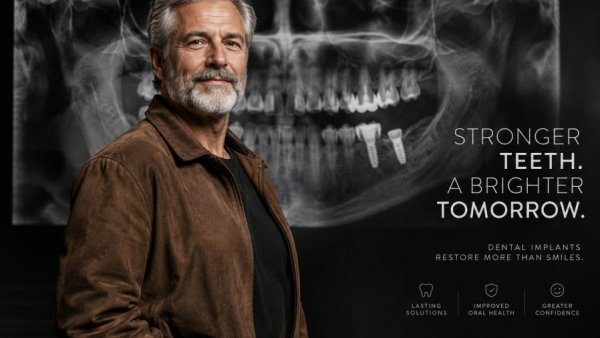
Older man discussing dental industry beside X-ray, biological dentists oral health

The Hidden Costs of Traditional Dentistry

Every tooth in your mouth is akin to a precious piece of ivory jewelry, much more valuable than any adornment you might wear. Unfortunately, once a tooth is drilled, the relationship with your oral health can take a precarious turn, often leading to a cycle of treatments and ongoing dental woes.

In 'The Truth About Dentistry: Plaque, Fillings, Root Canals and Biological Dentists,' Ian Clark discusses the complexities of oral care, prompting us to delve deeper into the advantages of biological dentists.

Understanding the Dental Industry's Pitfalls

The dental industry is rife with practices that, while sometimes necessary, often feel overly aggressive. Patients frequently find themselves at the mercy of procedures such as root canals and mercury fillings, which can lead to chronic health issues rather than resolution. A compelling discussion in the personal podcast of Dr. Wendy Myers with Ian Clark highlights critical insights about the conventional dental approach and its potential drawbacks.

Life After Dental Work: A Harrowing Story

Ian Clark’s personal journey through dental horror stories reveals a need for increased consumer awareness regarding dental work. His experiences underscore how drilling and unnecessary fillings not only wreak havoc on one's teeth but can lead to additional health complications like chronic fatigue and immune system issues. As presented in the podcast, many individuals are unwittingly trapped in a cycle of repeated dental work due to poorly executed procedures.

Looking Beyond Conventional Care: The Rise of Biological Dentists

The alternative to traditional dentistry is the emerging field of biological dentistry. Wrapped in holistic practices, these dentists prioritize minimally invasive treatments aimed at preserving the natural state of your teeth. They might offer insights into how proper hygiene routines, knowledge of essential minerals, and avoidance of harmful practices can keep your teeth healthier for longer. Clark emphasized the importance of second opinions and thorough research — two actions that could save patients unnecessary pain and expense.

Words of Caution: The Reality of Harmful Materials

Perhaps one of the starkest warnings relayed in the podcast is the dangers associated with mercury fillings. The ongoing debate regarding mercury's safety in dental care remains contentious, with numerous studies linking it to various health issues over time. Basic practices that could support healthier teeth, including regular hair mineral analysis, avoiding foods that provoke hormonal imbalance, and understanding the impact of a well-balanced diet, can reinforce oral health over time.

Creating Your Path to Optimal Dental Health

As listeners to Dr. Myers’ podcast can attest, proper care routines can significantly reduce plaque build-up without invasive treatments. Recommendations like utilizing iodine rinses and adopting a consistent oral care regimen can empower patients to take charge of their dental health. Keeping teeth plaque-free and understanding the benefits of essential minerals will lead to a better oral and overall health experience.

Conclusion: The Empowerment of Knowledge

Knowledge is power, especially in the realm of personal health. As you reflect on your dental choices, remember to prioritize holistic practices and effective oral hygiene techniques. Inspired by discoveries from the podcast, consider reaching out to practitioners who value your health over profit. By doing so, you reclaim agency over your wellness and can expect a healthier, more informed dental future.

Men's Health

0 Views

0 Comments

Write A Comment

*
*
Please complete the captcha to submit your comment.
Related Posts All Posts
11.18.2026

Exploring What Happens If You Only Eat Sardines: A Family Perspective

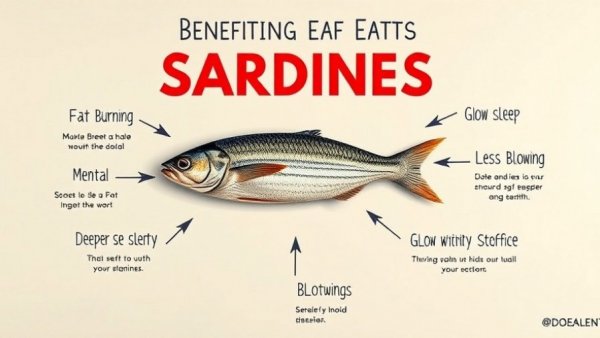
Update SEO Keyword: What Happens If You Only Eat Sardines? Adopting a new dietary regimen can feel like jumping into the deep end—especially when it involves a specific food like sardines. While some may laud the fish for its high nutrient content, many families remain skeptical about the implications of a sardine-only diet for any extended period. In the video, What Happens If You Only Eat Sardines for 5 Days?, the creator attempts to uncover the potential effects of eating sardines exclusively, but what do these effects really mean for the everyday family just trying to enhance their eating habits?In What Happens If You Only Eat Sardines for 5 Days?, the discussion dives into the nutritional implications of a sardine-exclusive diet, which raises compelling points that we’re expanding on in this article. Unlocking the Nutritional Power of Sardines Sardines are tiny powerhouses of nutrition. They contain a wealth of essential vitamins and minerals, from omega-3 fatty acids, which support heart health, to vitamin B12 that fosters nerve function. Eating sardines can also boost your intake of calcium and selenium, minerals critical to maintaining healthy bones and immune function, respectively. But can a diet limited to just one food truly offer balanced nutrition over time? The Emotional and Human Connection For many families, meals aren't just about calories; they're about connection, tradition, and culture. While sardines can make for a quick, nutritious option, feeding children or picky eaters a single item for multiple days might lead to frustration, resistance, and even behavioral changes. Understanding the emotional landscape around food is just as important as understanding its nutritional value. Delving Into Health Effects The video highlights some possible physical responses to a sardine-centric diet: improvements in energy levels and overall well-being, alongside potential fatigue or gastrointestinal distress. Depending on the individual, reactions can vary widely. Such experiences raise essential questions about food diversity: How necessary is it to offer varied nutrients from different food groups? Research in dietary science suggests that variety not only enhances nutrient intake but also fosters a positive eating experience. Future Predictions: The Rise of Seafood Diets As our global appetite for sustainability grows, seafood diets may gain traction. Advocates suggest diets featuring sustainable fish as a primary protein source benefit both our health and the health of our oceans. Could this lead families away from red meats and processed foods? The prediction for seafood-oriented diets indicates a broader cultural shift towards sustainability in family eating habits, potentially transforming how meals are planned in households across the country. Practical Insights: How to Safely Enjoy Sardines If you’re considering adding more sardines to your family's diet, moderation is key. Try incorporating them into salads, pastas, or even breakfast dishes to maintain variety. Balancing your meals with fresh vegetables and whole grains will ensure your family gets a well-rounded diet without feeling constrained. Culinary creativity can go a long way in ensuring everyone's taste preferences are met. Wrap-Up: Embracing Sustainable Choices In summary, while sardines are indeed a nutritious food, any successful diet should prioritize balance and diversity. The video What Happens If You Only Eat Sardines for 5 Days? acts as a springboard for discussions about modern diets, sustainability, and emotional connections to food. To truly promote well-being in families, embracing a variety of healthy choices rather than committing to a single option is paramount. If you wish to learn more about smart and sustainable eating strategies for your family, consider exploring local sources of fresh seafood or partnering with community-supported agriculture groups. Your health journey deserves vibrant, diverse, and flavorful foods that nourish both body and soul!

11.17.2026

Ozempic Hair Loss? Understand the Causes and Solutions for Healthier Hair

Update Understanding Hair Loss Linked to Ozempic: Uncovering the Truth In recent months, many users of Ozempic and other GLP-1 medications have reported experiencing unexpected hair loss. This connection has raised questions among health-conscious individuals, particularly families looking to better understand this issue. It's essential to dive deeper than the standard narrative that attributes hair loss solely to rapid weight loss. Here, we'll explore the multifaceted reasons behind Ozempic hair loss, detail actionable remedies, and empower families with knowledge to navigate their health journeys more effectively.In 'Ozempic Hair Loss?! Why It Happens & 3 Ways to Save Your Hair,' the discussion explores the complexities of hair loss linked to Ozempic, prompting a deeper analysis of the issue and potential remedies. The Three Key Reasons Behind Ozempic Hair Loss Though weight loss is commonly linked to hair shedding, studies reveal that it is not the only factor at play. Let's break down the three significant reasons for hair loss associated with Ozempic: 1. Nutrient Deficiencies: The Hidden Culprit A primary reason for hair loss in individuals taking Ozempic could be related to a deficiency of essential nutrients like iron, zinc, and vitamin B12. GLP-1 medications, including Ozempic, can reduce stomach acid production due to their interaction with the vagus nerve, which is vital for nutrient absorption. Without adequate acid, your body struggles to absorb these nutrients, leading to weaker hair growth and potential hair loss. To counteract this, people on these medications can consider betaine hydrochloride to help restore stomach acid levels and improve nutrient absorption. Moreover, incorporating more animal protein into the diet rich in these nutrients may also aid in maintaining hair health. 2. The Impact of Ozempic on Scalp Fat Another compelling factor is the so-called "Ozempic scalp" phenomenon. As individuals lose weight, this drug affects the thin layer of fat underlying the scalp, which can impact hair roots. As the fat decreases, hair follicles may become sluggish, leading to increased hair shedding. This results in thinner hair, particularly noticeable along the temples and crown of the head. But don't despair—there's a simple solution: regular scalp massages with rosemary oil. This not only stimulates blood flow to the hair follicles, awakening any dormant strands but also embraces a soothing, self-care practice that benefits both the mind and body. 3. Liver Detoxification: The Sulfur Connection Lastly, the detoxification process of our liver may contribute to hair loss while on Ozempic. When fat is oxidized during weight loss, toxins are released, prompting the liver to work harder and use precious resources like sulfur. In this scenario, hair health can suffer because sulfur becomes allocated for detoxification rather than hair repair and growth. To support your liver and regain the sulfur necessary for healthy hair, consider consuming more eggs, a natural source of this essential nutrient. Additionally, supplements like N-acetyl cysteine (NAC) can aid liver detoxification and enhance hair quality. Actionable Insights for Ozempic Users Recognizing the root causes of hair loss can empower families to make informed decisions. Here are some key takeaways to help mitigate hair shedding while on Ozempic: Perform a simple 30-second mirror and shower test to ascertain the nature of your hair loss. Implement regular scalp massages combined with nutrient-rich oils. Focus on a diet packed with animal proteins and sulfur-rich foods. Consider dietary supplements to support nutrient absorption. Embracing a Healthier Lifestyle In conclusion, understanding the intricate relationship between Ozempic and hair loss is vital for anyone using these medications. By integrating nutrient-dense foods, adopting healthy habits and self-care practices, and remaining informed, health-conscious families can work towards minimizing hair loss while navigating their health journey. Knowledge is power! If you're seeking more personalized strategies for your wellness regimen, download our free checklist for healthier habits below.

11.16.2026

Discover How to Remove Calcium Plaque From Your Arteries for Better Heart Health

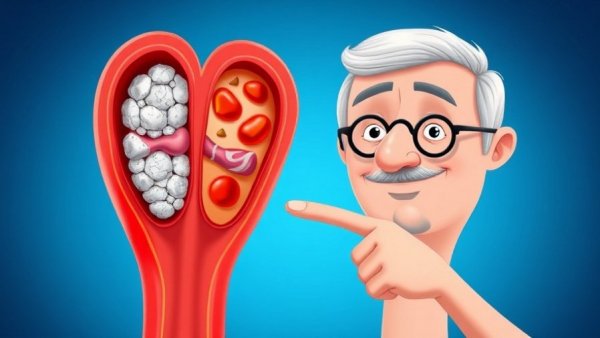
Update Unlocking the Secrets of Arterial Health: Understanding Calcium Plaque Have you just received the alarming news that you have high coronary artery calcium levels, only to be told there’s nothing you can do? This common diagnosis can feel overwhelming, especially when faced with the prospect of lifelong medication and the belief that calcified arteries are a permanent condition. Contrary to traditional wisdom, recent research suggests we have more control over our heart health than previously thought. In fact, emerging studies show that it's possible to not only halt but also potentially reverse artery calcification.In 'How to Remove Calcium Plaque From Your Arteries (Backed by 2 Clinical Trials)', intriguing insights are shared that inspire us to explore proactive ways to combat arterial plaque buildup. Revolutionary Research Shakes Up Traditional Beliefs Two clinical trials have demonstrated incredible results, revealing that specific dietary changes—particularly the intake of vitamins D3 and K2—can significantly reduce arterial plaque. One trial, lasting two years, reported a reduction of hard plaque by 21%, while another saw a decrease of 24.5% and a staggering 71.6% drop in adverse cardiovascular events. This evidence supports a fundamental shift in how we understand heart disease and wellness: our diets and lifestyle choices matter immensely, and there are actionable steps we can take to enhance our vascular health. The Hidden Dangers: Triggers of Artery Plaque As outlined in the video, there are three major triggers that can wreak havoc on the arterial lining, leading to plaque accumulation. High blood glucose, low levels of vitamin D, and high blood pressure can all interact negatively, creating gaps in the endothelial layer of the arteries. When these gaps form, LDL particles—particularly small, dense ones—can infiltrate the artery wall and begin a vicious cycle of inflammation and calcification. Vitamin D and K2: The Dynamic Duo for Heart Health One of the key takeaways from this research is the importance of vitamins D3 and K2 in maintaining arterial health. Vitamin D is well-known for its role in bone health but also has critical functions in keeping blood vessels flexible through the production of nitric oxide. Vitamin K2 complements this by directing excess calcium away from the arteries and back into the bones, thus preventing calcification. Ensuring an adequate intake of both nutrients is essential for long-term cardiovascular health. Practical Steps for Healthier Arteries So, how can you begin to take charge of your heart health? Here’s a simple four-step protocol designed to help you remove calcium from your arteries: Adopt a Low-Carbohydrate Diet: Target reducing carbohydrate intake to support insulin sensitivity and lower blood glucose levels. Boost Vitamin D and K2 Intake: Consider supplementation. A dosage regimen of 10,000 IU of vitamin D3 paired with 100 mcg of K2 is recommended. Opt for the MK-7 version of K2 for its long-lasting effectiveness. Magnesium is Key: Include magnesium to promote smooth muscle relaxation in the outer arteries, thus regulating blood pressure. Magnesium glycinate is a preferred choice due to its high absorption rate and minimal gastrointestinal side effects. Regular Check-ins: Monitor changes in your symptoms. A simple check for a diagonal earlobe crease could indicate cardiovascular concerns worth discussing with your doctor. Prioritize Your Heart Health: Action Steps It’s clear that simple lifestyle choices can have far-reaching implications for heart health. From prioritizing whole foods rich in vitamins D3 and K2, to incorporating regular physical activity and stress management, every action counts. Challenging established health norms can be daunting, but the potential for reversing artery calcification opens a new frontier—one that emphasizes proactive health management over reactive treatment. If you’re eager to learn more about effective strategies for improving cardiovascular health and preventing chronic diseases, there are invaluable resources available, including the newly published book Stay Off My Kitchen Table by heart surgeon Dr. Philip Ovadia. It offers insights into dietary choices that can empower families to take control of their health and create lasting change. Taking Control of Your Heart Health Understanding how to effectively reduce calcium plaque is just the beginning. Armed with knowledge and practical steps, health-conscious families can cultivate a lifestyle that prioritizes well-being. For those interested in embarking on this journey, don't hesitate to reach out, seek support, and start implementing these transformative practices for a healthier future.

Direct Cell Nutrition News

Addressing the root causes of ATP production, oxygen deficiency, inflammation, toxicity, and hormone collapse – through high-bioavailability protocols.

COMPANY

  • Privacy Policy
  • Terms of Use
  • Advertise
  • Contact Us
  • Menu 5
  • Menu 6

PROVIDING ONLINE

Health & Wellness

Solutions

www.directcellnutrition.com

ABOUT US

Direct Cell Nutrition leads the shift toward absorption-first wellness, rooted in plant based delivery systems and cellular intelligence. Our mission is to educate, empower, and elevate those seeking real health solutions from the inside out.

© 2026 Direct Cell Nutrition All Rights Reserved. Providing Online, Health, And Wellness . Contact Us . Terms of Service . Privacy Policy

eyJjb21wYW55IjoiRGlyZWN0IENlbGwgTnV0cml0aW9uIiwiYWRkcmVzcyI6IlByb3ZpZGluZyBPbmxpbmUiLCJjaXR5IjoiSGVhbHRoIiwic3RhdGUiOiJBbmQiLCJ6aXAiOiJXZWxsbmVzcyIsImVtYWlsIjoiYWRtaW5AZGlyZWN0Y2VsbG51dHJpdGlvbi5jb20iLCJ0b3MiOiJQSEErUEhOMGNtOXVaejQ4WlcwK1YyaGxiaUI1YjNVZ2MybG5iaTFwYmlCM2FYUm9JSFZ6TENCNWIzVWdZWEpsSUdkcGRtbHVaeVp1WW5Od095QjViM1Z5SUhCbGNtMXBjM05wYjI0Z1lXNWtJR052Ym5ObGJuUWdkRzhnYzJWdVpDQjViM1VnWlcxaGFXd2dZVzVrTDI5eUlGTk5VeUIwWlhoMElHMWxjM05oWjJWekxpQkNlU0JqYUdWamEybHVaeUIwYUdVZ1ZHVnliWE1nWVc1a0lFTnZibVJwZEdsdmJuTWdZbTk0SUdGdVpDQmllU0J6YVdkdWFXNW5JR2x1SUhsdmRTQmhkWFJ2YldGMGFXTmhiR3g1SUdOdmJtWnBjbTBnZEdoaGRDQjViM1VnWVdOalpYQjBJR0ZzYkNCMFpYSnRjeUJwYmlCMGFHbHpJR0ZuY21WbGJXVnVkQzQ4TDJWdFBqd3ZjM1J5YjI1blBqd3ZjRDRLQ2p4d1BqeGhJR2h5WldZOUltaDBkSEE2THk5M2QzY3VaMjl2WjJ4bExtTnZiU0krYUhSMGNEb3ZMM2QzZHk1bmIyOW5iR1V1WTI5dFBDOWhQand2Y0Q0S0NqeHdQaVp1WW5Od096d3ZjRDRLQ2p4d1BqeHpkSEp2Ym1jK1UwVlNWa2xEUlR3dmMzUnliMjVuUGp3dmNENEtDanh3UGxkbElIQnliM1pwWkdVZ1lTQnpaWEoyYVdObElIUm9ZWFFnWTNWeWNtVnVkR3g1SUdGc2JHOTNjeUI1YjNVZ2RHOGdjbVZqWldsMlpTQnlaWEYxWlhOMGN5Qm1iM0lnWm1WbFpHSmhZMnNzSUdOdmJYQmhibmtnYVc1bWIzSnRZWFJwYjI0c0lIQnliMjF2ZEdsdmJtRnNJR2x1Wm05eWJXRjBhVzl1TENCamIyMXdZVzU1SUdGc1pYSjBjeXdnWTI5MWNHOXVjeXdnWkdselkyOTFiblJ6SUdGdVpDQnZkR2hsY2lCdWIzUnBabWxqWVhScGIyNXpJSFJ2SUhsdmRYSWdaVzFoYVd3Z1lXUmtjbVZ6Y3lCaGJtUXZiM0lnWTJWc2JIVnNZWElnY0dodmJtVWdiM0lnWkdWMmFXTmxMaUJaYjNVZ2RXNWtaWEp6ZEdGdVpDQmhibVFnWVdkeVpXVWdkR2hoZENCMGFHVWdVMlZ5ZG1salpTQnBjeUJ3Y205MmFXUmxaQ0FtY1hWdmREdEJVeTFKVXlaeGRXOTBPeUJoYm1RZ2RHaGhkQ0IzWlNCaGMzTjFiV1VnYm04Z2NtVnpjRzl1YzJsaWFXeHBkSGtnWm05eUlIUm9aU0IwYVcxbGJHbHVaWE56TENCa1pXeGxkR2x2Yml3Z2JXbHpMV1JsYkdsMlpYSjVJRzl5SUdaaGFXeDFjbVVnZEc4Z2MzUnZjbVVnWVc1NUlIVnpaWElnWTI5dGJYVnVhV05oZEdsdmJuTWdiM0lnY0dWeWMyOXVZV3hwZW1GMGFXOXVJSE5sZEhScGJtZHpMand2Y0Q0S0NqeHdQbGx2ZFNCaGNtVWdjbVZ6Y0c5dWMybGliR1VnWm05eUlHOWlkR0ZwYm1sdVp5QmhZMk5sYzNNZ2RHOGdkR2hsSUZObGNuWnBZMlVnWVc1a0lIUm9ZWFFnWVdOalpYTnpJRzFoZVNCcGJuWnZiSFpsSUhSb2FYSmtJSEJoY25SNUlHWmxaWE1nS0hOMVkyZ2dZWE1nVTAxVElIUmxlSFFnYldWemMyRm5aWE1zSUVsdWRHVnlibVYwSUhObGNuWnBZMlVnY0hKdmRtbGtaWElnYjNJZ1kyVnNiSFZzWVhJZ1lXbHlkR2x0WlNCamFHRnlaMlZ6S1M0Z1dXOTFJR0Z5WlNCeVpYTndiMjV6YVdKc1pTQm1iM0lnZEdodmMyVWdabVZsY3l3Z2FXNWpiSFZrYVc1bklIUm9iM05sSUdabFpYTWdZWE56YjJOcFlYUmxaQ0IzYVhSb0lIUm9aU0JrYVhOd2JHRjVJRzl5SUdSbGJHbDJaWEo1SUc5bUlHVmhZMmdnVTAxVElIUmxlSFFnYldWemMyRm5aU0J6Wlc1MElIUnZJSGx2ZFNCaWVTQjFjeTRnU1c0Z1lXUmthWFJwYjI0c0lIbHZkU0J0ZFhOMElIQnliM1pwWkdVZ1lXNWtJR0Z5WlNCeVpYTndiMjV6YVdKc1pTQm1iM0lnWVd4c0lHVnhkV2x3YldWdWRDQnVaV05sYzNOaGNua2dkRzhnWVdOalpYTnpJSFJvWlNCVFpYSjJhV05sSUdGdVpDQnlaV05sYVhabElIUm9aU0JUVFZNZ2RHVjRkQ0J0WlhOellXZGxjeTRnVjJVZ1pHOGdibTkwSUdOb1lYSm5aU0JoYm5rZ1ptVmxjeUJtYjNJZ1pHVnNhWFpsY25rZ2IyWWdaVzFoYVd3Z2IzSWdVMDFUTGlCVWFHbHpJR2x6SUdFZ1puSmxaU0J6WlhKMmFXTmxJSEJ5YjNacFpHVmtJR0o1SUhWekxpQkliM2RsZG1WeUxDQndiR1ZoYzJVZ1kyaGxZMnNnZDJsMGFDQjViM1Z5SUdsdWRHVnlibVYwSUhObGNuWnBZMlVnY0hKdmRtbGtaWElnWVc1a0lHTmxiR3gxYkdGeUlHTmhjbkpwWlhJZ1ptOXlJR0Z1ZVNCamFHRnlaMlZ6SUhSb1lYUWdiV0Y1SUdsdVkzVnlJR0Z6SUdFZ2NtVnpkV3gwSUdaeWIyMGdjbVZqWldsMmFXNW5JR1Z0WVdsc0lHRnVaQ0JUVFZNZ2RHVjRkQ0J0WlhOellXZGxjeUIwYUdGMElIZGxJR1JsYkdsMlpYSWdkWEJ2YmlCNWIzVnlJRzl3ZEMxcGJpQmhibVFnY21WbmFYTjBjbUYwYVc5dUlIZHBkR2dnYjNWeUlHVnRZV2xzSUdGdVpDQlRUVk1nYzJWeWRtbGpaWE11SUZsdmRTQmpZVzRnWTJGdVkyVnNJR0YwSUdGdWVTQjBhVzFsTGlCS2RYTjBJSFJsZUhRZ0puRjFiM1E3VTFSUFVDWnhkVzkwT3lCMGJ5WnVZbk53T3p4b2FXZG9iR2xuYUhRZ1kyeGhjM005SW1OdmJYQmhibmxUVFZOUWFHOXVaVlZ3WkdGMFpTSStiblZzYkR3dmFHbG5hR3hwWjJoMFBpNGdRV1owWlhJZ2VXOTFJSE5sYm1RZ2RHaGxJRk5OVXlCdFpYTnpZV2RsSUNaeGRXOTBPMU5VVDFBbWNYVnZkRHNnZEc4Z2RYTXNJSGRsSUhkcGJHd2djMlZ1WkNCNWIzVWdZVzRnVTAxVElHMWxjM05oWjJVZ2RHOGdZMjl1Wm1seWJTQjBhR0YwSUhsdmRTQm9ZWFpsSUdKbFpXNGdkVzV6ZFdKelkzSnBZbVZrTGlCQlpuUmxjaUIwYUdsekxDQjViM1VnZDJsc2JDQnVieUJzYjI1blpYSWdjbVZqWldsMlpTQlRUVk1nYldWemMyRm5aWE1nWm5KdmJTQjFjeTQ4TDNBK0NnbzhjRDQ4YzNSeWIyNW5QbGxQVlZJZ1VrVkhTVk5VVWtGVVNVOU9JRTlDVEVsSFFWUkpUMDVUUEM5emRISnZibWMrUEM5d1Bnb0tQSEErU1c0Z1kyOXVjMmxrWlhKaGRHbHZiaUJ2WmlCNWIzVnlJSFZ6WlNCdlppQjBhR1VnVTJWeWRtbGpaU3dnZVc5MUlHRm5jbVZsSUhSdk9qd3ZjRDRLQ2p4dmJENEtDVHhzYVQ1d2NtOTJhV1JsSUhSeWRXVXNJR0ZqWTNWeVlYUmxMQ0JqZFhKeVpXNTBJR0Z1WkNCamIyMXdiR1YwWlNCcGJtWnZjbTFoZEdsdmJpQmhZbTkxZENCNWIzVnljMlZzWmlCaGN5QndjbTl0Y0hSbFpDQmllU0IwYUdVZ1UyVnlkbWxqWlNZak16azdjeUJ5WldkcGMzUnlZWFJwYjI0Z1ptOXliU0FvYzNWamFDQnBibVp2Y20xaGRHbHZiaUJpWldsdVp5QjBhR1VnSm5GMWIzUTdVbVZuYVhOMGNtRjBhVzl1SUVSaGRHRW1jWFZ2ZERzcElHRnVaRHd2YkdrK0NnazhiR2srYldGcGJuUmhhVzRnWVc1a0lIQnliMjF3ZEd4NUlIVndaR0YwWlNCMGFHVWdVbVZuYVhOMGNtRjBhVzl1SUVSaGRHRWdkRzhnYTJWbGNDQnBkQ0IwY25WbExDQmhZMk4xY21GMFpTd2dZM1Z5Y21WdWRDQmhibVFnWTI5dGNHeGxkR1V1SUVsbUlIbHZkU0J3Y205MmFXUmxJR0Z1ZVNCcGJtWnZjbTFoZEdsdmJpQjBhR0YwSUdseklIVnVkSEoxWlN3Z2FXNWhZMk4xY21GMFpTd2dibTkwSUdOMWNuSmxiblFnYjNJZ2FXNWpiMjF3YkdWMFpTd2diM0lnZDJVZ2FHRjJaU0J5WldGemIyNWhZbXhsSUdkeWIzVnVaSE1nZEc4Z2MzVnpjR1ZqZENCMGFHRjBJSE4xWTJnZ2FXNW1iM0p0WVhScGIyNGdhWE1nZFc1MGNuVmxMQ0JwYm1GalkzVnlZWFJsTENCdWIzUWdZM1Z5Y21WdWRDQnZjaUJwYm1OdmJYQnNaWFJsTENCM1pTQm9ZWFpsSUhSb1pTQnlhV2RvZENCMGJ5QnpkWE53Wlc1a0lHOXlJRHh6ZEhKdmJtYytQSE53WVc0Z2MzUjViR1U5SW1OdmJHOXlPaU5HUmpBd01EQTdJajUwWlhKdGFXNWhkR1VnZVc5MWNpQmhZMk52ZFc1MEwzQnliMlpwYkdVZ1lXNWtJSEpsWm5WelpTQmhibmtnWVc1a0lHRnNiQ0JqZFhKeVpXNTBJRzl5SUdaMWRIVnlaU0IxYzJVZ2IyWWdkR2hsSUZObGNuWnBZMlVnS0c5eUlHRnVlU0J3YjNKMGFXOXVJSFJvWlhKbGIyWXBMand2YzNCaGJqNDhMM04wY205dVp6NDhMMnhwUGdvOEwyOXNQZ29LUEhBK0ptNWljM0E3UEM5d1BnbzhhR2xuYUd4cFoyaDBJR05zWVhOelBTSmpiMjF3WVc1NVRtRnRaVlZ3WkdGMFpTSStSR2x5WldOMElFTmxiR3dnVG5WMGNtbDBhVzl1UEM5b2FXZG9iR2xuYUhRK1BHSnlJQzgrQ2p4b2FXZG9iR2xuYUhRZ1kyeGhjM005SW1OdmJYQmhibmxCWkdSeVpYTnpWWEJrWVhSbElqNVFjbTkyYVdScGJtY2dUMjVzYVc1bExDQklaV0ZzZEdnc0lFRnVaQ0JYWld4c2JtVnpjend2YUdsbmFHeHBaMmgwUGp4aWNpQXZQZ284YUdsbmFHeHBaMmgwSUdOc1lYTnpQU0pqYjIxd1lXNTVVR2h2Ym1WVmNHUmhkR1VpUGlzMk1UUXdPRGswTlRBME9Ed3ZhR2xuYUd4cFoyaDBQanhpY2lBdlBnbzhhR2xuYUd4cFoyaDBJR05zWVhOelBTSmpiMjF3WVc1NVJXMWhhV3hWY0dSaGRHVWlQbUZrYldsdVFHUnBjbVZqZEdObGJHeHVkWFJ5YVhScGIyNHVZMjl0UEM5b2FXZG9iR2xuYUhRKyIsInByaXZhY3kiOiJQSEErUEhOMGNtOXVaejVRVWtsV1FVTlpQQzl6ZEhKdmJtYytQQzl3UGdvS1BIQStQSE4wY205dVp6NVVhR1VnYVc1bWIzSnRZWFJwYjI0Z2NISnZkbWxrWldRZ1pIVnlhVzVuSUhSb2FYTWdjbVZuYVhOMGNtRjBhVzl1SUdseklHdGxjSFFnY0hKcGRtRjBaU0JoYm1RZ1kyOXVabWxrWlc1MGFXRnNMQ0JoYm1RZ2QybHNiQ0J1WlhabGNpQmlaU0JrYVhOMGNtbGlkWFJsWkN3Z1kyOXdhV1ZrTENCemIyeGtMQ0IwY21Ga1pXUWdiM0lnY0c5emRHVmtJR2x1SUdGdWVTQjNZWGtzSUhOb1lYQmxJRzl5SUdadmNtMHVJRlJvYVhNZ2FYTWdiM1Z5SUdkMVlYSmhiblJsWlM0OEwzTjBjbTl1Wno0OEwzQStDZ284Y0Q0OGMzUnliMjVuUGtsT1JFVk5Ua2xVV1R3dmMzUnliMjVuUGp3dmNENEtDanh3UGp4bGJUNVpiM1VnWVdkeVpXVWdkRzhnYVc1a1pXMXVhV1o1SUdGdVpDQm9iMnhrSUhWekxDQmhibVFnYVhSeklITjFZbk5wWkdsaGNtbGxjeXdnWVdabWFXeHBZWFJsY3l3Z2IyWm1hV05sY25Nc0lHRm5aVzUwY3l3Z1kyOHRZbkpoYm1SbGNuTWdiM0lnYjNSb1pYSWdjR0Z5ZEc1bGNuTXNJR0Z1WkNCbGJYQnNiM2xsWlhNc0lHaGhjbTFzWlhOeklHWnliMjBnWVc1NUlHTnNZV2x0SUc5eUlHUmxiV0Z1WkN3Z2FXNWpiSFZrYVc1bklISmxZWE52Ym1GaWJHVWdZWFIwYjNKdVpYbHpKaU16T1RzZ1ptVmxjeXdnYldGa1pTQmllU0JoYm5rZ2RHaHBjbVFnY0dGeWRIa2daSFZsSUhSdklHOXlJR0Z5YVhOcGJtY2diM1YwSUc5bUlFTnZiblJsYm5RZ2VXOTFJSEpsWTJWcGRtVXNJSE4xWW0xcGRDd2djbVZ3Ykhrc0lIQnZjM1FzSUhSeVlXNXpiV2wwSUc5eUlHMWhhMlVnWVhaaGFXeGhZbXhsSUhSb2NtOTFaMmdnZEdobElGTmxjblpwWTJVc0lIbHZkWElnZFhObElHOW1JSFJvWlNCVFpYSjJhV05sTENCNWIzVnlJR052Ym01bFkzUnBiMjRnZEc4Z2RHaGxJRk5sY25acFkyVXNJSGx2ZFhJZ2RtbHZiR0YwYVc5dUlHOW1JSFJvWlNCVVQxTXNJRzl5SUhsdmRYSWdkbWx2YkdGMGFXOXVJRzltSUdGdWVTQnlhV2RvZEhNZ2IyWWdZVzV2ZEdobGNpNDhMMlZ0UGp3dmNENEtDanh3UGp4emRISnZibWMrUkVsVFEweEJTVTFGVWlCUFJpQlhRVkpTUVU1VVNVVlRQQzl6ZEhKdmJtYytQQzl3UGdvS1BIQStQSE4wY205dVp6NVpUMVVnUlZoUVVrVlRVMHhaSUZWT1JFVlNVMVJCVGtRZ1FVNUVJRUZIVWtWRklGUklRVlE2UEM5emRISnZibWMrUEM5d1Bnb0tQRzlzUGdvSlBHeHBQbGxQVlZJZ1ZWTkZJRTlHSUZSSVJTQlRSVkpXU1VORklFbFRJRUZVSUZsUFZWSWdVMDlNUlNCU1NWTkxMaUJVU0VVZ1UwVlNWa2xEUlNCSlV5QlFVazlXU1VSRlJDQlBUaUJCVGlBbWNYVnZkRHRCVXlCSlV5WnhkVzkwT3lCQlRrUWdKbkYxYjNRN1FWTWdRVlpCU1V4QlFreEZKbkYxYjNRN0lFSkJVMGxUTGlBc0xpQkJUa1FnVlZNc0lFbFVKaU16T1R0VElFTlZVMVJQVFVWU1V5d2dSVmhRVWtWVFUweFpJRVJKVTBOTVFVbE5VeUJCVEV3Z1YwRlNVa0ZPVkVsRlV5QlBSaUJCVGxrZ1MwbE9SQ3dnVjBoRlZFaEZVaUJGV0ZCU1JWTlRJRTlTSUVsTlVFeEpSVVFzSUVsT1EweFZSRWxPUnl3Z1FsVlVJRTVQVkNCTVNVMUpWRVZFSUZSUElGUklSU0JKVFZCTVNVVkVJRmRCVWxKQlRsUkpSVk1nVDBZZ1RVVlNRMGhCVGxSQlFrbE1TVlJaTENCR1NWUk9SVk5USUVaUFVpQkJJRkJCVWxSSlExVk1RVklnVUZWU1VFOVRSU0JCVGtRZ1RrOU9MVWxPUmxKSlRrZEZUVVZPVkM0OEwyeHBQZ29KUEd4cFBrMUJTMFZUSUU1UElGZEJVbEpCVGxSWklGUklRVlFnS0drcElGUklSU0JUUlZKV1NVTkZJRmRKVEV3Z1RVVkZWQ0JaVDFWU0lGSkZVVlZKVWtWTlJVNVVVeXdnS0dscEtTQlVTRVVnVTBWU1ZrbERSU0JYU1V4TUlFSkZJRlZPU1U1VVJWSlNWVkJVUlVRc0lGUkpUVVZNV1N3Z1UwVkRWVkpGTENCUFVpQkZVbEpQVWkxR1VrVkZMQ0FvYVdscEtTQlVTRVVnVWtWVFZVeFVVeUJVU0VGVUlFMUJXU0JDUlNCUFFsUkJTVTVGUkNCR1VrOU5JRlJJUlNCVlUwVWdUMFlnVkVoRklGTkZVbFpKUTBVZ1YwbE1UQ0JDUlNCQlEwTlZVa0ZVUlNCUFVpQlNSVXhKUVVKTVJTd2dRVTVFSUNocGRpa2dRVTVaSUVWU1VrOVNVeUJKVGlCVVNFVWdVMDlHVkZkQlVrVWdWMGxNVENCQ1JTQkRUMUpTUlVOVVJVUXVQQzlzYVQ0S0NUeHNhVDVCVGxrZ1RVRlVSVkpKUVV3Z1JFOVhUa3hQUVVSRlJDQlBVaUJQVkVoRlVsZEpVMFVnVDBKVVFVbE9SVVFnVkVoU1QxVkhTQ0JVU0VVZ1ZWTkZJRTlHSUZSSVJTQlRSVkpXU1VORklFbFRJRVJQVGtVZ1FWUWdXVTlWVWlCUFYwNGdSRWxUUTFKRlZFbFBUaUJCVGtRZ1VrbFRTeUJCVGtRZ1ZFaEJWQ0JaVDFVZ1YwbE1UQ0JDUlNCVFQweEZURmtnVWtWVFVFOU9VMGxDVEVVZ1JrOVNJRUZPV1NCRVFVMUJSMFVnVkU4Z1dVOVZVaUJEVDAxUVZWUkZVaUJUV1ZOVVJVMGdUMUlnVEU5VFV5QlBSaUJFUVZSQklGUklRVlFnVWtWVFZVeFVVeUJHVWs5TklGUklSU0JFVDFkT1RFOUJSQ0JQUmlCQlRsa2dVMVZEU0NCTlFWUkZVa2xCVEM0OEwyeHBQZ29KUEd4cFBrNVBJRUZFVmtsRFJTQlBVaUJKVGtaUFVrMUJWRWxQVGl3Z1YwaEZWRWhGVWlCUFVrRk1JRTlTSUZkU1NWUlVSVTRzSUU5Q1ZFRkpUa1ZFSUVKWklGbFBWU0JHVWs5TklFOVNJRlJJVWs5VlIwZ2dUMUlnUmxKUFRTQlVTRVVnVTBWU1ZrbERSU0JUU0VGTVRDQkRVa1ZCVkVVZ1FVNVpJRmRCVWxKQlRsUlpJRTVQVkNCRldGQlNSVk5UVEZrZ1UxUkJWRVZFSUVsT0lGUklSU0JVVDFNdVBDOXNhVDRLUEM5dmJENEtDanh3UGp4emRISnZibWMrVEVsTlNWUkJWRWxQVGlCUFJpQk1TVUZDU1V4SlZGazhMM04wY205dVp6NDhMM0ErQ2dvOGNENVpUMVVnUlZoUVVrVlRVMHhaSUZWT1JFVlNVMVJCVGtRZ1FVNUVJRUZIVWtWRklGUklRVlFnUVU1RUlGTklRVXhNSUU1UFZDQkNSU0JNU1VGQ1RFVWdSazlTSUVGT1dTQkVTVkpGUTFRc0lFbE9SRWxTUlVOVUxDQkpUa05KUkVWT1ZFRk1MQ0JUVUVWRFNVRk1MQ0JEVDA1VFJWRlZSVTVVU1VGTUlFOVNJRVZZUlUxUVRFRlNXU0JFUVUxQlIwVlRMQ0JKVGtOTVZVUkpUa2NnUWxWVUlFNVBWQ0JNU1UxSlZFVkVJRlJQTENCRVFVMUJSMFZUSUVaUFVpQk1UMU5USUU5R0lGQlNUMFpKVkZNc0lFZFBUMFJYU1V4TUxDQlZVMFVzSUVSQlZFRWdUMUlnVDFSSVJWSWdTVTVVUVU1SFNVSk1SU0JNVDFOVFJWTWdLRVZXUlU0Z1NVWWdTRUZUSUVKRlJVNGdRVVJXU1ZORlJDQlBSaUJVU0VVZ1VFOVRVMGxDU1V4SlZGa2dUMFlnVTFWRFNDQkVRVTFCUjBWVEtTd2dVa1ZUVlV4VVNVNUhJRVpTVDAwNlBDOXdQZ29LUEc5c1Bnb0pQR3hwUGxSSVJTQlZVMFVnVDFJZ1ZFaEZJRWxPUVVKSlRFbFVXU0JVVHlCVlUwVWdWRWhGSUZORlVsWkpRMFU3UEM5c2FUNEtDVHhzYVQ1VVNFVWdRMDlUVkNCUFJpQlFVazlEVlZKRlRVVk9WQ0JQUmlCVFZVSlRWRWxVVlZSRklFZFBUMFJUSUVGT1JDQlRSVkpXU1VORlV5QlNSVk5WVEZSSlRrY2dSbEpQVFNCQlRsa2dSMDlQUkZNc0lFUkJWRUVzSUVsT1JrOVNUVUZVU1U5T0lFOVNJRk5GVWxaSlEwVlRJRkJWVWtOSVFWTkZSQ0JQVWlCUFFsUkJTVTVGUkNCUFVpQk5SVk5UUVVkRlV5QlNSVU5GU1ZaRlJDQlBVaUJVVWtGT1UwRkRWRWxQVGxNZ1JVNVVSVkpGUkNCSlRsUlBJRlJJVWs5VlIwZ2dUMUlnUmxKUFRTQlVTRVVnVTBWU1ZrbERSVHM4TDJ4cFBnb0pQR3hwUGxWT1FWVlVTRTlTU1ZwRlJDQkJRME5GVTFNZ1ZFOGdUMUlnUVV4VVJWSkJWRWxQVGlCUFJpQlpUMVZTSUZSU1FVNVRUVWxUVTBsUFRsTWdUMUlnUkVGVVFUczhMMnhwUGdvSlBHeHBQbE5VUVZSRlRVVk9WRk1nVDFJZ1EwOU9SRlZEVkNCUFJpQkJUbGtnVkVoSlVrUWdVRUZTVkZrZ1QwNGdWRWhGSUZORlVsWkpRMFU3SUU5U1BDOXNhVDRLQ1R4c2FUNUJUbGtnVDFSSVJWSWdUVUZVVkVWU0lGSkZURUZVU1U1SElGUlBJRlJJUlNCVFJWSldTVU5GTGp3dmJHaytDand2YjJ3K0NnbzhjRDQ4ZFQ1Q2VTQnlaV2RwYzNSbGNtbHVaeUJoYm1RZ2MzVmljMk55YVdKcGJtY2dkRzhnYjNWeUlHVnRZV2xzSUdGdVpDQlRUVk1nYzJWeWRtbGpaU3dnWW5rZ2IzQjBMV2x1TENCdmJteHBibVVnY21WbmFYTjBjbUYwYVc5dUlHOXlJR0o1SUdacGJHeHBibWNnYjNWMElHRWdZMkZ5WkN3Z0puRjFiM1E3ZVc5MUlHRm5jbVZsSUhSdklIUm9aWE5sSUZSRlVrMVRJRTlHSUZORlVsWkpRMFVtY1hWdmREc2dZVzVrSUhsdmRTQmhZMnR1YjNkc1pXUm5aU0JoYm1RZ2RXNWtaWEp6ZEdGdVpDQjBhR1VnWVdKdmRtVWdkR1Z5YlhNZ2IyWWdjMlZ5ZG1salpTQnZkWFJzYVc1bFpDQmhibVFnWkdWMFlXbHNaV1FnWm05eUlIbHZkU0IwYjJSaGVTNDhMM1UrUEM5d1Bnb0tQSEErSm01aWMzQTdQQzl3UGdvOGFHbG5hR3hwWjJoMElHTnNZWE56UFNKamIyMXdZVzU1VG1GdFpWVndaR0YwWlNJK1JHbHlaV04wSUVObGJHd2dUblYwY21sMGFXOXVQQzlvYVdkb2JHbG5hSFErUEdKeUlDOCtDanhvYVdkb2JHbG5hSFFnWTJ4aGMzTTlJbU52YlhCaGJubEJaR1J5WlhOelZYQmtZWFJsSWo1UWNtOTJhV1JwYm1jZ1QyNXNhVzVsTENCSVpXRnNkR2dzSUVGdVpDQlhaV3hzYm1WemN6d3ZhR2xuYUd4cFoyaDBQanhpY2lBdlBnbzhhR2xuYUd4cFoyaDBJR05zWVhOelBTSmpiMjF3WVc1NVVHaHZibVZWY0dSaGRHVWlQaXMyTVRRd09EazBOVEEwT0R3dmFHbG5hR3hwWjJoMFBqeGljaUF2UGdvOGFHbG5hR3hwWjJoMElHTnNZWE56UFNKamIyMXdZVzU1UlcxaGFXeFZjR1JoZEdVaVBtRmtiV2x1UUdScGNtVmpkR05sYkd4dWRYUnlhWFJwYjI0dVkyOXRQQzlvYVdkb2JHbG5hSFErIn0=

Terms of Service

Privacy Policy

Core Modal Title

Sorry, no results found

You Might Find These Articles Interesting

T
Please Check Your Email
We Will Be Following Up Shortly
*
*
*