

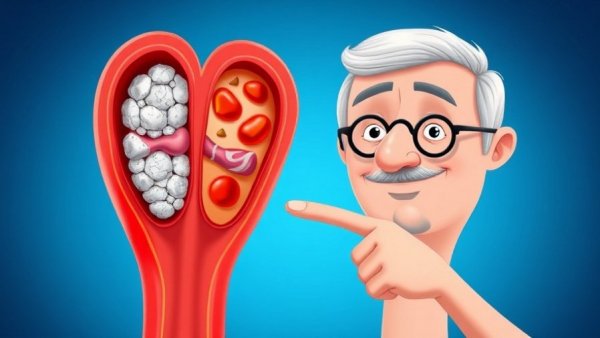
Unlocking the Secrets of Arterial Health: Understanding Calcium Plaque
Have you just received the alarming news that you have high coronary artery calcium levels, only to be told there’s nothing you can do? This common diagnosis can feel overwhelming, especially when faced with the prospect of lifelong medication and the belief that calcified arteries are a permanent condition. Contrary to traditional wisdom, recent research suggests we have more control over our heart health than previously thought. In fact, emerging studies show that it's possible to not only halt but also potentially reverse artery calcification.
In 'How to Remove Calcium Plaque From Your Arteries (Backed by 2 Clinical Trials)', intriguing insights are shared that inspire us to explore proactive ways to combat arterial plaque buildup.
Revolutionary Research Shakes Up Traditional Beliefs
Two clinical trials have demonstrated incredible results, revealing that specific dietary changes—particularly the intake of vitamins D3 and K2—can significantly reduce arterial plaque. One trial, lasting two years, reported a reduction of hard plaque by 21%, while another saw a decrease of 24.5% and a staggering 71.6% drop in adverse cardiovascular events. This evidence supports a fundamental shift in how we understand heart disease and wellness: our diets and lifestyle choices matter immensely, and there are actionable steps we can take to enhance our vascular health.
The Hidden Dangers: Triggers of Artery Plaque
As outlined in the video, there are three major triggers that can wreak havoc on the arterial lining, leading to plaque accumulation. High blood glucose, low levels of vitamin D, and high blood pressure can all interact negatively, creating gaps in the endothelial layer of the arteries. When these gaps form, LDL particles—particularly small, dense ones—can infiltrate the artery wall and begin a vicious cycle of inflammation and calcification.
Vitamin D and K2: The Dynamic Duo for Heart Health
One of the key takeaways from this research is the importance of vitamins D3 and K2 in maintaining arterial health. Vitamin D is well-known for its role in bone health but also has critical functions in keeping blood vessels flexible through the production of nitric oxide. Vitamin K2 complements this by directing excess calcium away from the arteries and back into the bones, thus preventing calcification. Ensuring an adequate intake of both nutrients is essential for long-term cardiovascular health.
Practical Steps for Healthier Arteries
So, how can you begin to take charge of your heart health? Here’s a simple four-step protocol designed to help you remove calcium from your arteries:
- Adopt a Low-Carbohydrate Diet: Target reducing carbohydrate intake to support insulin sensitivity and lower blood glucose levels.
- Boost Vitamin D and K2 Intake: Consider supplementation. A dosage regimen of 10,000 IU of vitamin D3 paired with 100 mcg of K2 is recommended. Opt for the MK-7 version of K2 for its long-lasting effectiveness.
- Magnesium is Key: Include magnesium to promote smooth muscle relaxation in the outer arteries, thus regulating blood pressure. Magnesium glycinate is a preferred choice due to its high absorption rate and minimal gastrointestinal side effects.
- Regular Check-ins: Monitor changes in your symptoms. A simple check for a diagonal earlobe crease could indicate cardiovascular concerns worth discussing with your doctor.
Prioritize Your Heart Health: Action Steps
It’s clear that simple lifestyle choices can have far-reaching implications for heart health. From prioritizing whole foods rich in vitamins D3 and K2, to incorporating regular physical activity and stress management, every action counts. Challenging established health norms can be daunting, but the potential for reversing artery calcification opens a new frontier—one that emphasizes proactive health management over reactive treatment.
If you’re eager to learn more about effective strategies for improving cardiovascular health and preventing chronic diseases, there are invaluable resources available, including the newly published book Stay Off My Kitchen Table by heart surgeon Dr. Philip Ovadia. It offers insights into dietary choices that can empower families to take control of their health and create lasting change.
Taking Control of Your Heart Health
Understanding how to effectively reduce calcium plaque is just the beginning. Armed with knowledge and practical steps, health-conscious families can cultivate a lifestyle that prioritizes well-being. For those interested in embarking on this journey, don't hesitate to reach out, seek support, and start implementing these transformative practices for a healthier future.





Write A Comment