

Understanding GLP-1s: A Growing Trend in Diabetes Treatment
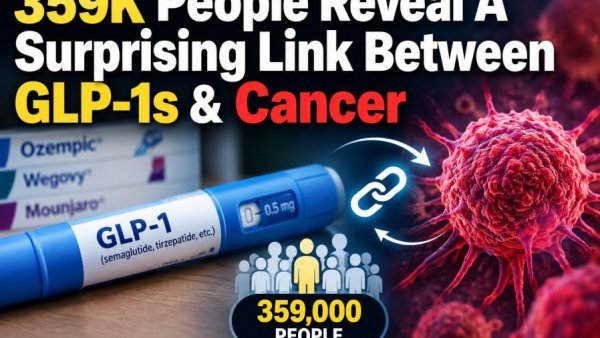
In recent years, GLP-1 medications have emerged as a popular choice for managing type 2 diabetes due to their dual benefits of controlling blood sugar and aiding in weight loss. However, a recent study involving over 359,000 adults has added a new layer to our understanding of these medications by suggesting a potential connection between GLP-1s and cancer risk. While these findings are not definitive, they invite closer scrutiny of how GLP-1s influence long-term health.
Highlights from the Study: The Data Behind GLP-1s
The research analyzed electronic health records from participants treated at a medical center in Texas, tracking their health outcomes over a span of three to five years. Participants had not experienced any obesity-related cancers before starting treatment, which is vital for establishing a baseline for comparison. Those initiating GLP-1 therapy exhibited lower rates of specific obesity-related cancers compared to those starting insulin or sulfonylureas, with a variance of 1.25 percentage points and 1.14 percentage points, respectively, after three years.
What Do the Findings Imply for Patients?
While the observation pointed to fewer cancer cases in those using GLP-1s, the lack of consistency across comparisons raises concerns about drawing broad conclusions. In particular, patients with advanced diabetes, especially those facing significant cardiac or renal issues, were found to have the lowest cancer rates when treated with SGLT2 inhibitors. This variability underlines why individual treatment plans are paramount, making the input of healthcare providers crucial in navigating these choices.
The Importance of Context: Causation vs. Correlation
It’s essential to approach these findings carefully; the study is observational, meaning it highlights associations rather than definitive causal relationships. Many of the participants starting on insulin may already be at a more advanced disease stage, which can complicate the outcome interpretations. Furthermore, the early users of GLP-1s may not reflect those using these medications over longer periods, leading to different health risk profiles. Thus, while the potential for lower cancer risks is intriguing, it shouldn’t prompt immediate changes in current treatment regimens.
Keeping Patients Informed: A Comprehensive Approach
For those considering or currently taking GLP-1 medications, understanding these nuances is vital. The takeaway is that while certain medications may correlate with lower cancer rates, they should not overshadow the critical health benefits these treatments provide in managing diabetes. It’s crucial to maintain open communication with healthcare professionals, ensuring they balance the advantages against any potential risks involved, based on individualized health profiles.
A Call to Action: Empowering Health Choices
As healthcare evolves, so too must our understanding of the medications we take. For readers focused on living a health-conscious, sustainable lifestyle, it’s essential to stay informed about emerging research and its implications. Whether you are looking for innovative options for diabetes management or seeking approaches to reduce cancer risk through diet, education is key. To enhance your wellness journey, explore options like consulting a functional medicine doctor, and consider incorporating health-promoting foods into your daily diet, such as plant-based meals that align with a holistic approach.




Write A Comment