

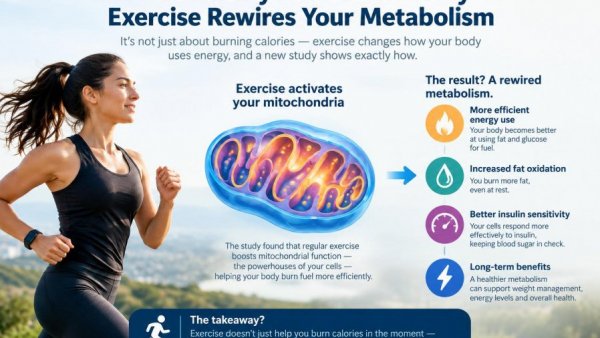
Understanding the Metabolic Transformation through Exercise
A new systematic review highlights a remarkable aspect of physical activity—its ability to rewire our metabolism. This study sheds light on how regular exercise increases the levels of a novel muscle-derived hormone called irisin, which has been linked to various metabolic health improvements among adults with overweight or obesity. Irisin is not just a byproduct of exercise; it plays a crucial role in how our bodies respond to physical activity, making it an interesting target for those looking to optimize their health.
The Science Behind Irisin
Since its discovery in 2012, irisin has garnered attention for its multifunctional role. According to this recent study analyzing data from 50 randomized controlled trials involving 1,780 adults, exercise significantly elevates circulating irisin levels—especially notable during activities that involve muscle contraction. This elevation is more than just a number; it marks a metabolic shift within the body.
The hormone, regarded as a signaling protein from skeletal muscles, is released during physical activity, acting as a messenger that fosters communication with other tissues, thereby influencing metabolic processes. It was observed that various types of exercises, including aerobic, resistance, and high-intensity interval training (HIIT), all effectively boosted irisin levels, although resistance training consistently led the way. This suggests that for those prioritizing metabolic health, integrating strength training into their routines could be particularly beneficial.
Metabolic Benefits from Consistent Exercise
Exercise not only increases irisin but also corresponds with improvements in metabolic health metrics. Participants engaged in regular exercise witnessed enhanced blood sugar control, better insulin sensitivity, improved cholesterol levels, and reductions in HbA1c—the latter being crucial for assessing long-term glucose management. These changes can significantly reduce the risk of developing type 2 diabetes and other metabolic disorders. With muscle serving as an endocrine organ, these benefits signify its importance in regulating metabolism and fostering overall health, illustrating how interconnected fitness and metabolic processes truly are.
Different Workouts, Similar Outcomes
The study revealed no statistically significant differences in irisin levels among varied workout modalities. Regardless of the exercise type, any structured program aids in increasing muscle-derived myokines, suggesting that the most important factor is not the specific workout modality but simply engaging in any form of physical activity. This could be heartening news for many who might feel overwhelmed by the multitude of workout options available. Whether you prefer brisk walking, cycling, or hit the gym for a weightlifting session, rest assured that regular movement will yield rewards for your metabolic health.
Why Resistance Training Stands Out
Despite the lack of clear superiority among exercises, resistance training's distinct advantages are noteworthy. Not only does it elevate irisin levels, but it also enhances muscle mass, which increases the body's capacity for glucose storage—a critical component for individuals dealing with overweight or obesity. Building muscle through resistance training supports healthy aging, preserves lean mass during weight loss, and contributes to overall functional fitness. Lifting weights a few times a week can profoundly impact your metabolic health and enable you to harness the benefits of a more regulated metabolism.
Embracing a Healthier Lifestyle
The takeaway from this emerging research? Regularly incorporating structured physical activity into your routine serves as a pathway to enhance metabolic health. The benefits extend beyond just physical appearance; they encompass improved mental health through the release of endorphins and can lead to a more vibrant lifestyle. This didactic study underscores that consistent exercise, whether through resistance training or other modalities, invigorates muscle function and triggers beneficial hormonal responses that imbue long-term health improvements.
Final Thoughts on Prioritizing Wellness
As you reflect on your lifestyle choices, consider the transformative power of exercise on your metabolism. The science is clear: moving your body not only carves out physical strength but also fortifies your health at its core. Many people are hesitant to start exercising due to perceived difficulties, but beginning a fitness journey doesn’t have to be daunting. Simple changes, such as incorporating more walking into your day or exploring group fitness classes, can mark the beginning of your transformation. Now is the time to embrace a more active lifestyle, incorporate a variety of workouts, and witness your own metabolic shift towards wellness. Your body and mind will thank you for it.





Write A Comment