Add Row
Add Element
Direct Cell Nutrition
update
Direct Cell Nutrition
update
Add Element
  • Home
  • Categories
    • Oxygen and Energy
    • Hormones and Libido
    • Inflammation and Immunity
    • Brain and Mood
    • Gut and Detox
    • Longevity and Aging
    • Women's Health
    • Men's Health
June 26.2025
3 Minutes Read

What Food and Health Trends to Expect in 2025: Insights for a Healthier Life

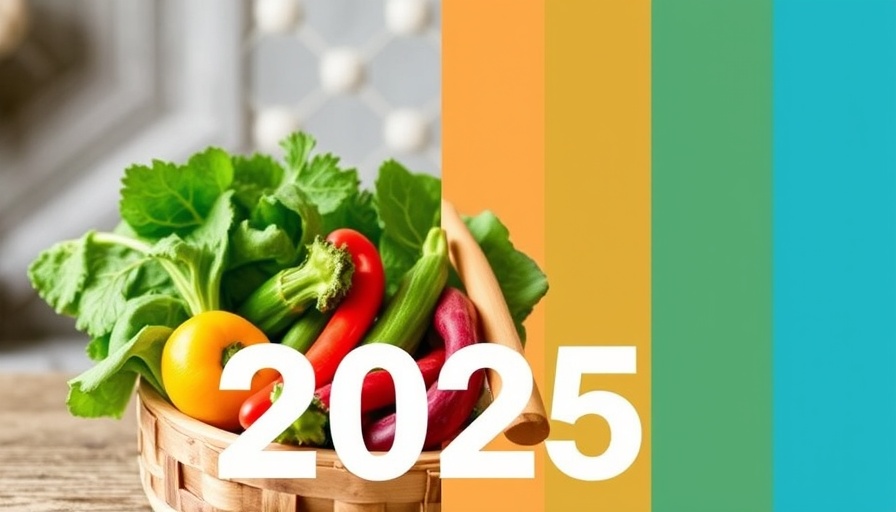
2025 Projected Food and Health Trends

Exploring 2025’s Food Trends: A Flavorful Journey

As we step into a new era, the culinary landscape is evolving at an unprecedented pace. The year 2025 is set to usher in a variety of intriguing food trends that are all about enhancing our dining experiences, promoting health and well-being, and enticing our taste buds to explore new flavors. Let's dive into these exciting projections!

The Rise of Artisanal Breads

One of the standout trends for 2025 is the anticipated comeback of artisanal breads. These are not just any breads; they are handcrafted, made with love, and often come with a rich history passed down through generations. According to predictions from fresh grocer experts, the quality and flavor of these breads far exceed that of mass-produced options, offering numerous health benefits. Artisanal breads undergo natural fermentation processes and contain fewer additives, making them a healthier choice. Imagine savoring a warm loaf that not only tastes good but also nourishes your body.

Healthier Versions of Classic Snacks

In a world increasingly focused on health, 2025 is expected to witness a revolution in our beloved snacks. Clean-label products will dominate the market, with healthier versions of classic munchies like potato chips and gummy bears making waves. This shift will signify a broader trend where indulgence and health go hand in hand, transforming how we perceive snack options. The idea that we can enjoy our favorite treats without the guilt is a significant step towards balanced living.

Crispy Textures: The New Fetish

Crunch is predicted to be the texture of choice in 2025. Whether it’s in snacks, main courses, or even drinks, the demand for crunchiness will be at an all-time high. This calls for creative culinary innovations, such as crispy toppings on desserts and crunchy elements in beverages. Think along the lines of an espresso martini crowned with a crème brûlée crust!

Revamping Hydration: Goodbye to Boring Water

Hydration is essential, and 2025 might let our taste buds celebrate this necessity. Whole Foods forecasts an influx of exciting flavored waters like cactus water, chlorophyll-infused varieties, and sparkling coconut water. These alternatives aim to make hydration as enjoyable as it is essential, offering a refreshing twist to the everyday routine.

Diving into Southeast Asian Cuisine

If you’re a food adventurer, 2025 is calling your name with a tantalizing exploration of Southeast Asian cuisine. Expect restaurants to feature more delectable dishes from regions like Korea, Vietnam, and the Philippines. This trend reflects a growing appreciation for diverse culinary experiences and an eagerness to embrace cultures through food.

Health Trends for 2025: Technology Meets Well-Being

As much as food innovation is exciting, the health sector is witnessing its own transformative trends. A prominent theme for 2025 is the integration of artificial intelligence into healthcare services. With AI enhancing patient communication and supporting personalized care, individuals can look forward to more accurate diagnoses and tailored health experiences.

Growth in Urgent Care Facilities

Another significant trend is the anticipated rise in urgent care and mental health facilities. As awareness around mental health increases and stigma diminishes, more people are expected to seek help. Urgent care centers will also become essential, providing fast and efficient treatment outside traditional emergency room settings.

Healthy Aging Takes Center Stage

With demographics shifting—by 2030, one in six individuals will be 60 or older—the concept of healthy aging is becoming more critical. Society's focus is expected to shift towards optimal health and longevity strategies, encompassing nutrition, physical activity, and mental well-being. Embracing healthy practices now is vital for ensuring not only a longer life but a better quality one too.

Your Role in Embracing 2025 Trends

Understanding these anticipated food and health trends serves as more than just a glimpse into the future; it empowers you to take charge of your wellness journey. By integrating these trends into your daily life, you can enhance your nutrition, embrace new flavors, and stand at the forefront of innovative health practices.

In a world where health and food are increasingly intertwined, your choices can make a significant impact. Let the trends of 2025 inspire you to explore, innovate, and ultimately thrive in your health journey.

There's much to look forward to as we approach 2025! Stay curious, stay healthy, and start experimenting with these exciting trends today. Your future self will thank you!

Women's Health

10 Views

0 Comments

Write A Comment

*
*
Related Posts All Posts
12.27.2025

Your Body Is Begging for These Nutrients: Nourishing Families for Health

Update Understanding the Essential Nutrients for Your Body In a fast-paced world where health trends come and go, it’s crucial to understand what our bodies truly need. The video "Your Body Is Begging for These Nutrients" sheds light on essential nutrients that may have been overlooked in our modern diets. From vitamins to minerals, knowing what your body craves can significantly impact your overall well-being.In "Your Body Is Begging for These Nutrients," the discussion dives into nutritional deficiencies impacting families today, exploring key insights that sparked deeper analysis on our end. The Nutrient Deficit Dilemma Many families today struggle with achieving a balanced diet due to busy lifestyles and the prevalence of processed foods. This nutritional deficit can lead to a host of health issues, ranging from fatigue to weakened immunity. Studies reveal that key nutrients like magnesium, zinc, and omega-3 fatty acids are often lacking in household diets, especially in children and adults alike. Understanding this dilemma drives the necessity to prioritize nutrient-rich foods in meal planning. Empower Your Family with Nutritional Choices Focusing on whole, unprocessed foods can be a game-changer for health-conscious families. Incorporating a variety of fruits, vegetables, lean proteins, and whole grains ensures that each meal is a powerhouse of nutrients. For instance, leafy greens like spinach and kale provide not only iron but also vital antioxidants that support immune function. Similarly, fatty fish can be an excellent source of omega-3s, promoting cognitive health for both kids and adults. Embracing a Balanced Diet If you're navigating a busy lifestyle, it can be easy to fall into the trap of convenience foods. However, meal prepping can mitigate this challenge significantly. Planning and preparing meals inspired by nutrient-rich ingredients not only saves time but also reinforces healthy eating habits. Simple adjustments, like adding a piece of fruit or a handful of nuts as snacks, can increase daily nutrient intake effortlessly. Incorporation of Nutritional Supplements Sometimes, no matter how hard we try, achieving the necessary nutrient levels through diet alone can be challenging. This is where healthy supplements come into play. For health-conscious families, choosing high-quality supplements designed for specific needs, such as omega-3s for mental clarity or multivitamins for immune support, can help bridge those gaps. However, it's important to consult with healthcare providers to determine which supplements are right for your family. Healthy Habits Lead to Lifelong Wellness Establishing a foundation of healthy habits centered around nutrient intake can lead to lifelong wellness. By educating children about the importance of nutrition and making it a family affair—such as cooking together and exploring new healthy recipes—parents can foster a positive relationship with food. It’s not just about dietary changes; it’s about creating an environment where health is prioritized and enjoyed. Conclusively, recognizing what your body truly needs allows for informed choices that can significantly enhance your family’s health. Start prioritizing those nutritious foods and consider every meal as an opportunity to connect, educate, and nurture healthy eating patterns. If you’re ready to take control of your family's health and well-being, start integrating these nutrients into your diets today. Your bodies will thank you for it!

12.22.2025

Transform Your Weight Loss Journey with Uncommon Insights

Update The Truth Behind Popular Weight Loss MythsFor many families striving for a healthier lifestyle, navigating the weight loss landscape can feel challenging and overwhelming. The desire for quick fixes can often lead to subscribing to misleading diet advice that can significantly hinder progress. In the video, The #1 Worst Weight Loss Advice in the World, Dr. Eric Berg highlights some of the most common misconceptions about dieting that can prevent weight loss success for families looking to improve their health.In The #1 Worst Weight Loss Advice in the World, Dr. Eric Berg explores the common dietary misconceptions that hinder weight loss success, sparking a deeper analysis on healthier approaches. Weight Loss Missteps: The Danger of Calorie RestrictionIt's a widespread belief that reducing calorie intake is the best way to shed pounds, yet this approach might do more harm than good. Restricting calories can trigger a response in our bodies that leads to a slower metabolism. The body adapts, storing fat instead of burning it as energy. Unfortunately, families desperate to lose weight may find themselves caught in a cycle of deprivation and cravings, further complicating their health journeys.Unpacking Common Diet AdviceMany traditional weight loss tips can backfire. For instance, advice to eat six small meals per day often leaves the body unfulfilled, leading to persistent hunger and potential overeating. Instead, focusing on the quality of meals can deliver better results. Dr. Berg emphasizes the importance of managing insulin levels, as elevated insulin can hinder fat loss and contribute to a myriad of health issues. This knowledge can empower families to make dietary adjustments based not on fads but on science.13 Effective Weight Loss Tips for FamiliesInstead of adhering to outdated dieting practices, Dr. Berg shares 13 actionable tips families can embrace to promote healthy weight loss:Avoid Sweetened Drinks: Sugary pre-workout drinks and protein bars might seem convenient, but they can sabotage weight loss efforts.Limit Carbs: Keeping carbohydrates low, around 10 to 20 grams per day, helps better control insulin levels.Get Natural Light: Morning sun exposure can positively impact mood and metabolism.Be Mindful of Late-Night Snacks: Avoid late-night eating to help regulate your body's natural rhythms.Healthy Grocery Habits: Shopping while hungry often leads to impulse purchases; stick to whole foods.Each of these tips suggests a more holistic approach to weight loss, urging families to listen to their bodies while advocating for healthier dietary choices.The Importance of Finding What Works for Your FamilyUltimately, the journey to sustainable weight loss is unique for each family. By moving away from harmful advice and focusing on effective, science-backed strategies, families can work toward their health goals safely and effectively. It’s also essential to prioritize adapting these practices to fit individual lifestyles, ensuring that everyone feels satisfied and engaged in the process.Empower Your Family's Health JourneyUnderstanding the pitfalls of common weight loss advice and knowing the right tips can help families forge a healthier path. The insights gathered from Dr. Berg's video inspire a shift in how we approach dietary habits, encouraging families to prioritize well-being and thrive.

12.20.2025

Recognizing Early Kidney Disease Signs: Why Families Should Act Now

Update Recognizing the Silent Signs of Kidney Disease Kidney disease often goes unnoticed until it reaches critical stages, making early detection essential. There are 18 visible signs of kidney damage, many of which are subtle and easily overlooked. For health-conscious families, understanding these signs can lead to timely medical interventions that protect overall well-being.In 18 Visible Signs of Kidney Disease You Shouldn’t Ignore, the discussion dives into critical early warning signs that everyone should be aware of, prompting families to reflect on their kidney health. Common Symptoms and Early Detection One of the most significant early warning signs is protein in the urine, which can be detected through simple at-home tests. An albumin-creatinine ratio of below 30 mg/g is crucial for kidney function. Sudden weight gain, dark circles under the eyes, and blood in the urine are also indicators that prompt further investigation. By recognizing these symptoms, families can take proactive measures towards kidney health even before noticeable issues arise. Exploring Risk Factors for Kidney Disease Diet plays a pivotal role in kidney health. Consuming ultra-processed foods and having insulin resistance can significantly increase the risk of developing kidney problems. Awareness of these risk factors helps families make healthier dietary choices, prioritizing whole foods that support kidney function. Emphasizing the Importance of Kidney Health Kidneys perform vital functions, from filtering blood to regulating fluids in the body. Healthy kidneys are imperative not just for physical health but also for overall vitality. Resources like kidney-friendly cookbooks and dietary guides are invaluable tools for families aiming to enhance their kidney health. Actionable Steps for Prevention There are several strategies families can employ to mitigate the risk of kidney disease. Increasing intake of nutrients like Vitamin D, magnesium, and omega-3 fatty acids through diet can significantly aid kidney functionality. Furthermore, regular check-ups and hydration can make a world of difference in maintaining kidney health. Emotional Well-Being and Kidney Health A diagnosis of kidney disease can weigh heavily on both patients and their families. It’s essential to foster open conversations about health, where emotional support is paired with actionable steps towards improvement. Embracing a proactive approach to kidney health not only promotes physical well-being but can also uplift family morale during challenging times. Looking Forward: Predictions and Insights The future of kidney health awareness is bright, with more emphasis being placed on education and prevention strategies. As awareness about kidney disease grows, there will be increased advocacy for regular screenings and lifestyle adjustments that can help prevent disease. In 18 Visible Signs of Kidney Disease You Shouldn’t Ignore, the discussion dives into critical early warning signs that everyone should be aware of, prompting families to reflect on their kidney health.

Terms of Service

Privacy Policy

Core Modal Title

Sorry, no results found

You Might Find These Articles Interesting

T
Please Check Your Email
We Will Be Following Up Shortly
*
*
*