

Direct Cell Nutrition
  • Home
  • Categories
    • Oxygen and Energy
    • Hormones and Libido
    • Inflammation and Immunity
    • Brain and Mood
    • Gut and Detox
    • Longevity and Aging
    • Women's Health
    • Men's Health
November 28.2026
3 Minutes Read

Unlocking the Power of Gratitude: Boost Your Dopamine Levels Today

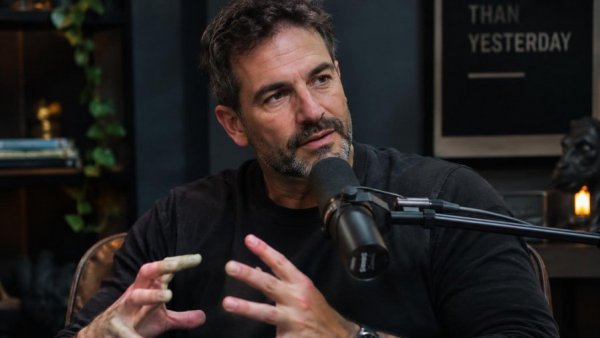
Man reflecting on improving brain chemistry with gratitude

Understanding the Connection Between Gratitude and Dopamine

Gratitude is often cited as a key driver of mental well-being, but what if its benefits extend far into our neurobiology? Recent discussions, like the one in Gratitude and Dopamine: How to Rewire Your Brain's Reward Centers, emphasize how gratitude can fundamentally alter the way our brain’s reward centers function. Engaging in acts of gratitude can boost dopamine levels, a neurotransmitter crucial for pleasure and reward. As Gary Brecka, a renowned longevity expert and bio-hacker, suggests, integrating gratitude in our daily routines might truly be a game-changer for enhancing our mental health.

In Gratitude and Dopamine: How to Rewire Your Brain's Reward Centers, the discussion dives into the neuroscience of gratitude, exploring key insights that sparked deeper analysis on our end.

The Science Behind Dopamine Release

Dopamine isn't just a feel-good chemical; it's vital for motivation and effective functioning. When we express gratitude—be it through a thank-you note or simply reflecting on what we appreciate—we trigger dopamine production within our brains. This biochemical response reinforces our brain's reward pathways, encouraging us to repeat the grateful experiences, thereby creating a positive feedback loop.

Why Gratitude is Essential for Busy Executives and Seniors Alike

In the bustling lives of senior health enthusiasts and busy executives alike, the mental toll can be significant. The fast pace often leads to stress and reduced mental clarity, not to mention potential burnout. Incorporating gratitude practices could serve as an essential bio-hack. Simple rituals, such as writing down three things you are grateful for each day, can serve to recharge the mind and promote better overall mental health. These practices can be invaluable in maintaining not just emotional wellness but also boosting productivity.

Real-Life Benefits of Practicing Gratitude

Research indicates that practicing gratitude can lead to improved sleep, less anxiety, and enhanced emotional resilience. For those struggling with issues like PTSD or feeling tired after sleeping, these practices can offer a way to uplift their spirits while fostering a healthier mindset. As gratitude rewires the brain, it also promotes better social connections, nurturing relationships that can prove supportive during trying times.

Building a Gratitude Routine: Steps to Success

So, how can you cultivate a gratitude routine effectively? Here are some actionable insights to help you integrate gratitude into your daily life:

  • Start a Gratitude Journal: Dedicate time each day to write down what you are thankful for. Reflecting on even the smallest of joys can significantly impact your outlook.
  • Include Gratitude in Your Conversations: Make it a habit to thank those around you—family, friends, and colleagues—regularly.
  • Combine Gratitude with Meditation: During mindfulness sessions, focus on aspects of your life you appreciate, enhancing both your meditation practices and mindset.

Misconceptions Surrounding Gratitude

While the benefits of gratitude are clear, misconceptions abound. Many believe that expressing gratitude must be grand or public to have an impact. This couldn't be further from the truth. Gratitude can be personal and simple, existing in a solitary moment of reflection or appreciation, making it accessible to everyone regardless of their lifestyle.

The Road Ahead: Future Insights on Gratitude and Mental Health

As we look to the future, the potential of gratitude as a mental health strategy seems promising. Researchers are continuously uncovering new relationships between gratitude, biohacking, and overall wellness. With figures like Gary Brecka leading the conversation on longevity and metabolic health, the intersection of gratitude practices, dopamine, and brain health will undoubtedly garner more attention, providing us with the tools to live healthier, happier lives.

To further explore these insights and discover additional tips on integrating gratitude into your life, consider tuning into podcasts that speak to mental health and wellness. These resources can accelerate your journey toward emotional resilience!

Brain and Mood

1 Views

0 Comments

Write A Comment

*
*
Please complete the captcha to submit your comment.
Related Posts All Posts
11.25.2026

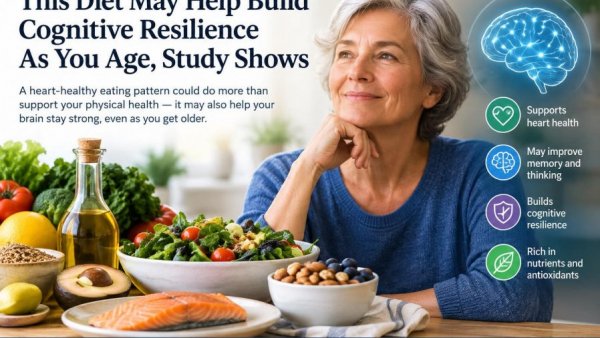
Discover How the MIND Diet Can Enhance Cognitive Resilience as You Age

Update Understanding Cognitive Resilience Through Diet Cognitive aging can feel like an inevitable part of life; however, new research offers hope that dietary choices can play a crucial role in maintaining cognitive health as we age. The emerging field of cognitive resilience focuses on how the brain can continue to function despite age-related structural changes, including white matter lesions and shrinking cortical volumes. These intriguing findings draw special attention to the MIND diet – a nutritional approach that combines elements of the Mediterranean and DASH diets to enhance brain health. The MIND Diet: A Path to Cognitive Health Research published in Frontiers in Nutrition highlights the impact of the MIND diet, which emphasizes brain-supportive foods such as leafy greens, berries, nuts, and fish. In a study focusing on older adults at risk of dementia, researchers discovered that participants adhering closely to the MIND diet demonstrated cognitive resilience, maintaining better brain function even in the presence of brain pathologies such as white matter hyperintensities (WMH) and reduced cortical volume. This resilience can be monumental for aging populations, suggesting that dietary modifications could mitigate the typical cognitive declines associated with aging. How Does the MIND Diet Work? The protective effects of the MIND diet are attributed to its nutrient-rich components, which are packed with antioxidants and anti-inflammatory compounds. These beneficial compounds help neutralize oxidative stress and support crucial brain functions, including synaptic integrity. Such a diet encourages a greater intake of whole foods while limiting processed ones—a combination that not only supports cognitive health but also aligns with sustainable living principles that resonate with health-conscious individuals. Building Cognitive Resilience: Specific Dietary Choices Incorporating specific foods into your diet can significantly bolster cognitive resilience. The MIND diet encourages an abundance of: Leafy greens: Spinach, kale, and collards are renowned for their high nutrient content, particularly vitamins K and E, renowned for their neuroprotective properties. Berries: Blueberries and strawberries contain anthocyanins that provide antioxidant support, which may help reduce the risk of cognitive decline. Fish: Fatty fish rich in omega-3 fatty acids, like salmon and sardines, are fundamental for brain health and are linked to improved cognitive function. These targeted food choices nurture brain health from the inside out, creating a sustainable approach to nutrition that aligns with a broader lifestyle geared towards longevity. Committing to a Mindful Eating Strategy Adopting the MIND diet fits neatly within the framework of sustainable living, advocating for choices that not only benefit personal health but also support environmental wellness. For those looking to follow this diet, consider the following actionable steps: **Prioritize whole foods:** Opt for fresh fruits, vegetables, and whole grains over processed options. **Incorporate sustainable brands:** Support brands that prioritize eco-friendly practices, such as those featured in Mindbodygreen. **Meal prep:** Utilize reusable food storage containers when planning meals to reduce waste and promote healthy eating. This approach not only nurtures cognitive function but aligns habits with eco-friendly practices vital for a sustainable future. The Ongoing Research and Future of Cognitive Health The studies focusing on the MIND diet exemplify an evolving understanding of how what we eat significantly affects our mental acuity as we age. The results herald an exciting opportunity for future research that can further elucidate the connection between diet and brain health. Moving forward, it's pivotal to encourage more diverse representation in studies, particularly among groups disproportionately affected by cognitive decline. Embracing Change for Better Health The findings surrounding the MIND diet are not just about food; they enrich our understanding of how small, deliberate choices can lead to substantial benefits in cognitive health. As you consider your next meal, think about how those choices can reflect a commitment to your brain’s longevity and resilience. So, why not take a step today towards optimizing your well-being? Embrace the MIND diet and support your cognitive health while contributing to a sustainable planet.

11.26.2026

Effective Strategies to Manage Anxiety Through Self-Awareness

Update Understanding Anxiety: The Role of Self-Awareness Anxiety affects many individuals and can often seem overwhelming. In the insightful discussion presented in HOW TO MANAGE ANXIETY THROUGH SELF-AWARENESS WITH MELISSA WOOD, the importance of self-awareness as a tool for managing anxiety is spotlighted. Self-awareness involves recognizing and understanding one’s feelings, thoughts, and behaviors. This introspective practice can lead to greater emotional regulation, allowing individuals to address anxiety symptoms more effectively.In HOW TO MANAGE ANXIETY THROUGH SELF-AWARENESS WITH MELISSA WOOD, the discussion dives into anxiety management strategies, exploring key insights that sparked deeper analysis on our end. Self-awareness not only aids in recognizing anxiety but also encourages individuals to explore the root causes of their feelings. By engaging in this self-reflection, individuals may discover patterns linked to their anxiety—be it past experiences, specific environments, or certain interactions. This deeper understanding encourages a more compassionate approach to oneself, which is crucial in the battle against anxiety. Connecting the Dots: Identifying Triggers One of the vital points emphasized is the necessity of identifying personal anxiety triggers. Common triggers can range from work stress to social situations, but each person’s experience is unique. For instance, a workplace deadline might trigger anxiety in one person while a crowded room may overwhelm another. By cultivating self-awareness, individuals can start to recognize patterns that provoke anxiety. This understanding enables proactive responses, such as adjusting environmental factors or employing relaxation techniques to mitigate these triggers. Writing triggers down in a journal can enhance this process, helping to pinpoint not just what causes anxiety, but when it occurs, providing valuable insights into managing future situations. Engaging with Mindfulness Practices Integrating mindfulness practices into daily life is a significant takeaway from the video. Mindfulness—whether through meditation, journaling, or conscious breathing—helps ground individuals in the present moment. Melissa Wood highlights the positive impacts of such practices not only on anxiety management but also on overall well-being. By training the mind to focus on the present, individuals can greatly reduce the likelihood of spiraling thoughts that often accompany anxiety. Moreover, mindfulness can create space for self-acceptance and compassion. For many, understanding that it’s okay to experience anxiety is a vital step towards managing it. Regular engagement with mindfulness can lead to enhanced resilience and reduced stress levels, making it an essential part of any anxiety management strategy. Self-Care Routines for Emotional Wellness Establishing self-care routines is another essential strategy shared by Melissa. Individuals can explore various methods that promote relaxation and emotional balance. Simple activities, like nature walks, reading, or engaging in creative hobbies, can significantly improve mental clarity and reduce anxiety. Additionally, physical activities such as yoga or dance have been shown to release endorphins, which have a positive effect on mood. Moreover, incorporating daily bio hacks, such as optimizing sleep hygiene and staying hydrated, further supports mental health. Prioritizing good nutrition and managing caffeine intake can also play a role in how individuals feel on a day-to-day basis. By taking care of the body, individuals may find that their mental health improves as well. Seeking Support and Building Connections Another crucial aspect of managing anxiety is fostering meaningful connections with others. Seeking support from friends, family, or even professional therapists, can be incredibly beneficial. Sharing experiences and engaging in open conversations can provide a sense of relief and understanding that is essential for anxiety management. In addition, joining communities—whether online or in-person—that focus on mental health can create essential social support networks. Being part of a supportive network allows individuals not only to share but also to learn from others’ experiences, which can be empowering. Support groups can provide a safe space to express feelings and learn new coping strategies, as well as remind individuals that they are not alone in their struggles. Future Trends in Anxiety Management The discourse on the future of anxiety management encompasses innovative approaches that marry technology and traditional practices. With the rise of apps designed for mental wellness, there are more resources than ever for individuals seeking help. Whether through guided meditations, mood tracking, or instant access to mental health resources, technology continues to evolve in ways that make managing anxiety more accessible. Furthermore, as more people engage in digital therapy options, we are likely to see a shift towards a more integrated approach that combines both tech and personal interactions. These advances could pave the way for more tailored treatments that cater to an individual’s specific needs. In conclusion, anxiety can be managed through self-awareness, mindfulness, and supportive relationships. By incorporating these strategies into daily routines, individuals pave the way towards a healthier, more balanced life. Engage with community resources, build personal resilience, and remember that managing anxiety is a journey worth taking. Knowing and embracing your unique path is part of the healing process, and every step is a valuable part of your growth.

11.25.2026

Unlocking Mental Clarity: How Your Ego Controls Your Life

Update Understanding the Ego: More Than Just Pride In the insightful short video, HOW YOUR EGO CONTROLS YOUR LIFE WITH PETER CRONE, the conversation centers on how our ego, often perceived simply as a sense of pride or self-importance, can dictate many of our choices and actions. It’s vital to recognize that the ego is a complex aspect of our identity, influencing our mental health and well-being significantly.In HOW YOUR EGO CONTROLS YOUR LIFE WITH PETER CRONE, the discussion delves into the powerful influence our ego has over our decisions, prompting deeper insights on living more consciously. How the Ego Affects Our Health and Daily Lives The ego can drive us to seek validation and approval from others, leading to an internal conflict where we prioritize external perceptions over our true selves. Over time, this can result in feelings of inadequacy, which is detrimental to our mental health. Understanding the impact of our ego is a crucial step toward fostering better mental health and resilience. For instance, busy executives often face intense pressure to perform and conform to societal expectations, which can exacerbate stress and contribute to burnout. Recognizing this dynamic allows us to approach life with greater awareness, leading to healthier daily routines that prioritize our individual well-being over the relentless pursuit of approval. The Role of Bio Hacks in Enhancing Mental Health Peter Crone sheds light on the importance of integrating bio hacks into our lives as a method to maintain good mental and physical health. Techniques such as practicing mindfulness, incorporating proper hydration with hydrogen water, and managing your insulin resistance can significantly boost our overall vitality. The adoption of bio hacks isn't solely about optimizing physical health; they are powerful tools that can help diminish the grip of the ego by fostering more authentic connections with ourselves and those around us. For example, engaging in simple daily routines like journaling our thoughts can provide clarity and help divert focus from ego-driven narratives. Practical Steps for Overcoming Ego-Driven Challenges It’s essential to equip ourselves with actionable insights to combat the limitations set by our egos. Here are a few tips: Practice Humility: Recognizing that everyone has strengths and weaknesses helps maintain balance. Engage in Meaningful Conversations: Surround yourself with people who uplift and inspire growth. Conversations rooted in vulnerability can fortify connections and dismantle ego barriers. Mindful Living: Incorporate slow moments in your day – whether through slow breathing or conscious eating. This cultivates a greater sense of self-awareness, redirecting our focus from external pressures back to internal peace. Why Understanding Ego Matters in Modern Society As we navigate today’s fast-paced world, it becomes crucial to analyze the role ego plays in our daily interactions and health. Whether you’re a senior concerned about aging or a busy executive aiming for longevity, acknowledging ego-driven behaviors can reveal personal obstacles that hinder success. The journey toward emotional freedom and mental clarity begins with this understanding, which can fundamentally transform how we perceive ourselves and our place in the world. Conclusion: Empower Yourself Beyond the Ego Ultimately, identifying and addressing our egos is not about eradication, but rather, understanding how it influences our actions and relationships. By employing insights shared by experts like Peter Crone and adopting bio hacks into our routines, we can foster an environment that promotes overall well-being. The power lies within us to take charge of our health, consciousness, and lives. If this topic resonates with you, explore more insights on wellness and health trends through podcasts featuring experts like Gary Brecka, who delve into how to get energized through feasible lifestyle adjustments. Small changes can lead to significant transformations in achieving longevity and vibrant health.

Direct Cell Nutrition News

Addressing the root causes of ATP production, oxygen deficiency, inflammation, toxicity, and hormone collapse – through high-bioavailability protocols.

COMPANY

  • Privacy Policy
  • Terms of Use
  • Advertise
  • Contact Us
  • Menu 5
  • Menu 6

PROVIDING ONLINE

Health & Wellness

Solutions

www.directcellnutrition.com

ABOUT US

Direct Cell Nutrition leads the shift toward absorption-first wellness, rooted in plant based delivery systems and cellular intelligence. Our mission is to educate, empower, and elevate those seeking real health solutions from the inside out.

© 2026 Direct Cell Nutrition All Rights Reserved. Providing Online, Health, And Wellness . Contact Us . Terms of Service . Privacy Policy

eyJjb21wYW55IjoiRGlyZWN0IENlbGwgTnV0cml0aW9uIiwiYWRkcmVzcyI6IlByb3ZpZGluZyBPbmxpbmUiLCJjaXR5IjoiSGVhbHRoIiwic3RhdGUiOiJBbmQiLCJ6aXAiOiJXZWxsbmVzcyIsImVtYWlsIjoiYWRtaW5AZGlyZWN0Y2VsbG51dHJpdGlvbi5jb20iLCJ0b3MiOiJQSEErUEhOMGNtOXVaejQ4WlcwK1YyaGxiaUI1YjNVZ2MybG5iaTFwYmlCM2FYUm9JSFZ6TENCNWIzVWdZWEpsSUdkcGRtbHVaeVp1WW5Od095QjViM1Z5SUhCbGNtMXBjM05wYjI0Z1lXNWtJR052Ym5ObGJuUWdkRzhnYzJWdVpDQjViM1VnWlcxaGFXd2dZVzVrTDI5eUlGTk5VeUIwWlhoMElHMWxjM05oWjJWekxpQkNlU0JqYUdWamEybHVaeUIwYUdVZ1ZHVnliWE1nWVc1a0lFTnZibVJwZEdsdmJuTWdZbTk0SUdGdVpDQmllU0J6YVdkdWFXNW5JR2x1SUhsdmRTQmhkWFJ2YldGMGFXTmhiR3g1SUdOdmJtWnBjbTBnZEdoaGRDQjViM1VnWVdOalpYQjBJR0ZzYkNCMFpYSnRjeUJwYmlCMGFHbHpJR0ZuY21WbGJXVnVkQzQ4TDJWdFBqd3ZjM1J5YjI1blBqd3ZjRDRLQ2p4d1BqeGhJR2h5WldZOUltaDBkSEE2THk5M2QzY3VaMjl2WjJ4bExtTnZiU0krYUhSMGNEb3ZMM2QzZHk1bmIyOW5iR1V1WTI5dFBDOWhQand2Y0Q0S0NqeHdQaVp1WW5Od096d3ZjRDRLQ2p4d1BqeHpkSEp2Ym1jK1UwVlNWa2xEUlR3dmMzUnliMjVuUGp3dmNENEtDanh3UGxkbElIQnliM1pwWkdVZ1lTQnpaWEoyYVdObElIUm9ZWFFnWTNWeWNtVnVkR3g1SUdGc2JHOTNjeUI1YjNVZ2RHOGdjbVZqWldsMlpTQnlaWEYxWlhOMGN5Qm1iM0lnWm1WbFpHSmhZMnNzSUdOdmJYQmhibmtnYVc1bWIzSnRZWFJwYjI0c0lIQnliMjF2ZEdsdmJtRnNJR2x1Wm05eWJXRjBhVzl1TENCamIyMXdZVzU1SUdGc1pYSjBjeXdnWTI5MWNHOXVjeXdnWkdselkyOTFiblJ6SUdGdVpDQnZkR2hsY2lCdWIzUnBabWxqWVhScGIyNXpJSFJ2SUhsdmRYSWdaVzFoYVd3Z1lXUmtjbVZ6Y3lCaGJtUXZiM0lnWTJWc2JIVnNZWElnY0dodmJtVWdiM0lnWkdWMmFXTmxMaUJaYjNVZ2RXNWtaWEp6ZEdGdVpDQmhibVFnWVdkeVpXVWdkR2hoZENCMGFHVWdVMlZ5ZG1salpTQnBjeUJ3Y205MmFXUmxaQ0FtY1hWdmREdEJVeTFKVXlaeGRXOTBPeUJoYm1RZ2RHaGhkQ0IzWlNCaGMzTjFiV1VnYm04Z2NtVnpjRzl1YzJsaWFXeHBkSGtnWm05eUlIUm9aU0IwYVcxbGJHbHVaWE56TENCa1pXeGxkR2x2Yml3Z2JXbHpMV1JsYkdsMlpYSjVJRzl5SUdaaGFXeDFjbVVnZEc4Z2MzUnZjbVVnWVc1NUlIVnpaWElnWTI5dGJYVnVhV05oZEdsdmJuTWdiM0lnY0dWeWMyOXVZV3hwZW1GMGFXOXVJSE5sZEhScGJtZHpMand2Y0Q0S0NqeHdQbGx2ZFNCaGNtVWdjbVZ6Y0c5dWMybGliR1VnWm05eUlHOWlkR0ZwYm1sdVp5QmhZMk5sYzNNZ2RHOGdkR2hsSUZObGNuWnBZMlVnWVc1a0lIUm9ZWFFnWVdOalpYTnpJRzFoZVNCcGJuWnZiSFpsSUhSb2FYSmtJSEJoY25SNUlHWmxaWE1nS0hOMVkyZ2dZWE1nVTAxVElIUmxlSFFnYldWemMyRm5aWE1zSUVsdWRHVnlibVYwSUhObGNuWnBZMlVnY0hKdmRtbGtaWElnYjNJZ1kyVnNiSFZzWVhJZ1lXbHlkR2x0WlNCamFHRnlaMlZ6S1M0Z1dXOTFJR0Z5WlNCeVpYTndiMjV6YVdKc1pTQm1iM0lnZEdodmMyVWdabVZsY3l3Z2FXNWpiSFZrYVc1bklIUm9iM05sSUdabFpYTWdZWE56YjJOcFlYUmxaQ0IzYVhSb0lIUm9aU0JrYVhOd2JHRjVJRzl5SUdSbGJHbDJaWEo1SUc5bUlHVmhZMmdnVTAxVElIUmxlSFFnYldWemMyRm5aU0J6Wlc1MElIUnZJSGx2ZFNCaWVTQjFjeTRnU1c0Z1lXUmthWFJwYjI0c0lIbHZkU0J0ZFhOMElIQnliM1pwWkdVZ1lXNWtJR0Z5WlNCeVpYTndiMjV6YVdKc1pTQm1iM0lnWVd4c0lHVnhkV2x3YldWdWRDQnVaV05sYzNOaGNua2dkRzhnWVdOalpYTnpJSFJvWlNCVFpYSjJhV05sSUdGdVpDQnlaV05sYVhabElIUm9aU0JUVFZNZ2RHVjRkQ0J0WlhOellXZGxjeTRnVjJVZ1pHOGdibTkwSUdOb1lYSm5aU0JoYm5rZ1ptVmxjeUJtYjNJZ1pHVnNhWFpsY25rZ2IyWWdaVzFoYVd3Z2IzSWdVMDFUTGlCVWFHbHpJR2x6SUdFZ1puSmxaU0J6WlhKMmFXTmxJSEJ5YjNacFpHVmtJR0o1SUhWekxpQkliM2RsZG1WeUxDQndiR1ZoYzJVZ1kyaGxZMnNnZDJsMGFDQjViM1Z5SUdsdWRHVnlibVYwSUhObGNuWnBZMlVnY0hKdmRtbGtaWElnWVc1a0lHTmxiR3gxYkdGeUlHTmhjbkpwWlhJZ1ptOXlJR0Z1ZVNCamFHRnlaMlZ6SUhSb1lYUWdiV0Y1SUdsdVkzVnlJR0Z6SUdFZ2NtVnpkV3gwSUdaeWIyMGdjbVZqWldsMmFXNW5JR1Z0WVdsc0lHRnVaQ0JUVFZNZ2RHVjRkQ0J0WlhOellXZGxjeUIwYUdGMElIZGxJR1JsYkdsMlpYSWdkWEJ2YmlCNWIzVnlJRzl3ZEMxcGJpQmhibVFnY21WbmFYTjBjbUYwYVc5dUlIZHBkR2dnYjNWeUlHVnRZV2xzSUdGdVpDQlRUVk1nYzJWeWRtbGpaWE11SUZsdmRTQmpZVzRnWTJGdVkyVnNJR0YwSUdGdWVTQjBhVzFsTGlCS2RYTjBJSFJsZUhRZ0puRjFiM1E3VTFSUFVDWnhkVzkwT3lCMGJ5WnVZbk53T3p4b2FXZG9iR2xuYUhRZ1kyeGhjM005SW1OdmJYQmhibmxUVFZOUWFHOXVaVlZ3WkdGMFpTSStiblZzYkR3dmFHbG5hR3hwWjJoMFBpNGdRV1owWlhJZ2VXOTFJSE5sYm1RZ2RHaGxJRk5OVXlCdFpYTnpZV2RsSUNaeGRXOTBPMU5VVDFBbWNYVnZkRHNnZEc4Z2RYTXNJSGRsSUhkcGJHd2djMlZ1WkNCNWIzVWdZVzRnVTAxVElHMWxjM05oWjJVZ2RHOGdZMjl1Wm1seWJTQjBhR0YwSUhsdmRTQm9ZWFpsSUdKbFpXNGdkVzV6ZFdKelkzSnBZbVZrTGlCQlpuUmxjaUIwYUdsekxDQjViM1VnZDJsc2JDQnVieUJzYjI1blpYSWdjbVZqWldsMlpTQlRUVk1nYldWemMyRm5aWE1nWm5KdmJTQjFjeTQ4TDNBK0NnbzhjRDQ4YzNSeWIyNW5QbGxQVlZJZ1VrVkhTVk5VVWtGVVNVOU9JRTlDVEVsSFFWUkpUMDVUUEM5emRISnZibWMrUEM5d1Bnb0tQSEErU1c0Z1kyOXVjMmxrWlhKaGRHbHZiaUJ2WmlCNWIzVnlJSFZ6WlNCdlppQjBhR1VnVTJWeWRtbGpaU3dnZVc5MUlHRm5jbVZsSUhSdk9qd3ZjRDRLQ2p4dmJENEtDVHhzYVQ1d2NtOTJhV1JsSUhSeWRXVXNJR0ZqWTNWeVlYUmxMQ0JqZFhKeVpXNTBJR0Z1WkNCamIyMXdiR1YwWlNCcGJtWnZjbTFoZEdsdmJpQmhZbTkxZENCNWIzVnljMlZzWmlCaGN5QndjbTl0Y0hSbFpDQmllU0IwYUdVZ1UyVnlkbWxqWlNZak16azdjeUJ5WldkcGMzUnlZWFJwYjI0Z1ptOXliU0FvYzNWamFDQnBibVp2Y20xaGRHbHZiaUJpWldsdVp5QjBhR1VnSm5GMWIzUTdVbVZuYVhOMGNtRjBhVzl1SUVSaGRHRW1jWFZ2ZERzcElHRnVaRHd2YkdrK0NnazhiR2srYldGcGJuUmhhVzRnWVc1a0lIQnliMjF3ZEd4NUlIVndaR0YwWlNCMGFHVWdVbVZuYVhOMGNtRjBhVzl1SUVSaGRHRWdkRzhnYTJWbGNDQnBkQ0IwY25WbExDQmhZMk4xY21GMFpTd2dZM1Z5Y21WdWRDQmhibVFnWTI5dGNHeGxkR1V1SUVsbUlIbHZkU0J3Y205MmFXUmxJR0Z1ZVNCcGJtWnZjbTFoZEdsdmJpQjBhR0YwSUdseklIVnVkSEoxWlN3Z2FXNWhZMk4xY21GMFpTd2dibTkwSUdOMWNuSmxiblFnYjNJZ2FXNWpiMjF3YkdWMFpTd2diM0lnZDJVZ2FHRjJaU0J5WldGemIyNWhZbXhsSUdkeWIzVnVaSE1nZEc4Z2MzVnpjR1ZqZENCMGFHRjBJSE4xWTJnZ2FXNW1iM0p0WVhScGIyNGdhWE1nZFc1MGNuVmxMQ0JwYm1GalkzVnlZWFJsTENCdWIzUWdZM1Z5Y21WdWRDQnZjaUJwYm1OdmJYQnNaWFJsTENCM1pTQm9ZWFpsSUhSb1pTQnlhV2RvZENCMGJ5QnpkWE53Wlc1a0lHOXlJRHh6ZEhKdmJtYytQSE53WVc0Z2MzUjViR1U5SW1OdmJHOXlPaU5HUmpBd01EQTdJajUwWlhKdGFXNWhkR1VnZVc5MWNpQmhZMk52ZFc1MEwzQnliMlpwYkdVZ1lXNWtJSEpsWm5WelpTQmhibmtnWVc1a0lHRnNiQ0JqZFhKeVpXNTBJRzl5SUdaMWRIVnlaU0IxYzJVZ2IyWWdkR2hsSUZObGNuWnBZMlVnS0c5eUlHRnVlU0J3YjNKMGFXOXVJSFJvWlhKbGIyWXBMand2YzNCaGJqNDhMM04wY205dVp6NDhMMnhwUGdvOEwyOXNQZ29LUEhBK0ptNWljM0E3UEM5d1BnbzhhR2xuYUd4cFoyaDBJR05zWVhOelBTSmpiMjF3WVc1NVRtRnRaVlZ3WkdGMFpTSStSR2x5WldOMElFTmxiR3dnVG5WMGNtbDBhVzl1UEM5b2FXZG9iR2xuYUhRK1BHSnlJQzgrQ2p4b2FXZG9iR2xuYUhRZ1kyeGhjM005SW1OdmJYQmhibmxCWkdSeVpYTnpWWEJrWVhSbElqNVFjbTkyYVdScGJtY2dUMjVzYVc1bExDQklaV0ZzZEdnc0lFRnVaQ0JYWld4c2JtVnpjend2YUdsbmFHeHBaMmgwUGp4aWNpQXZQZ284YUdsbmFHeHBaMmgwSUdOc1lYTnpQU0pqYjIxd1lXNTVVR2h2Ym1WVmNHUmhkR1VpUGlzMk1UUXdPRGswTlRBME9Ed3ZhR2xuYUd4cFoyaDBQanhpY2lBdlBnbzhhR2xuYUd4cFoyaDBJR05zWVhOelBTSmpiMjF3WVc1NVJXMWhhV3hWY0dSaGRHVWlQbUZrYldsdVFHUnBjbVZqZEdObGJHeHVkWFJ5YVhScGIyNHVZMjl0UEM5b2FXZG9iR2xuYUhRKyIsInByaXZhY3kiOiJQSEErUEhOMGNtOXVaejVRVWtsV1FVTlpQQzl6ZEhKdmJtYytQQzl3UGdvS1BIQStQSE4wY205dVp6NVVhR1VnYVc1bWIzSnRZWFJwYjI0Z2NISnZkbWxrWldRZ1pIVnlhVzVuSUhSb2FYTWdjbVZuYVhOMGNtRjBhVzl1SUdseklHdGxjSFFnY0hKcGRtRjBaU0JoYm1RZ1kyOXVabWxrWlc1MGFXRnNMQ0JoYm1RZ2QybHNiQ0J1WlhabGNpQmlaU0JrYVhOMGNtbGlkWFJsWkN3Z1kyOXdhV1ZrTENCemIyeGtMQ0IwY21Ga1pXUWdiM0lnY0c5emRHVmtJR2x1SUdGdWVTQjNZWGtzSUhOb1lYQmxJRzl5SUdadmNtMHVJRlJvYVhNZ2FYTWdiM1Z5SUdkMVlYSmhiblJsWlM0OEwzTjBjbTl1Wno0OEwzQStDZ284Y0Q0OGMzUnliMjVuUGtsT1JFVk5Ua2xVV1R3dmMzUnliMjVuUGp3dmNENEtDanh3UGp4bGJUNVpiM1VnWVdkeVpXVWdkRzhnYVc1a1pXMXVhV1o1SUdGdVpDQm9iMnhrSUhWekxDQmhibVFnYVhSeklITjFZbk5wWkdsaGNtbGxjeXdnWVdabWFXeHBZWFJsY3l3Z2IyWm1hV05sY25Nc0lHRm5aVzUwY3l3Z1kyOHRZbkpoYm1SbGNuTWdiM0lnYjNSb1pYSWdjR0Z5ZEc1bGNuTXNJR0Z1WkNCbGJYQnNiM2xsWlhNc0lHaGhjbTFzWlhOeklHWnliMjBnWVc1NUlHTnNZV2x0SUc5eUlHUmxiV0Z1WkN3Z2FXNWpiSFZrYVc1bklISmxZWE52Ym1GaWJHVWdZWFIwYjNKdVpYbHpKaU16T1RzZ1ptVmxjeXdnYldGa1pTQmllU0JoYm5rZ2RHaHBjbVFnY0dGeWRIa2daSFZsSUhSdklHOXlJR0Z5YVhOcGJtY2diM1YwSUc5bUlFTnZiblJsYm5RZ2VXOTFJSEpsWTJWcGRtVXNJSE4xWW0xcGRDd2djbVZ3Ykhrc0lIQnZjM1FzSUhSeVlXNXpiV2wwSUc5eUlHMWhhMlVnWVhaaGFXeGhZbXhsSUhSb2NtOTFaMmdnZEdobElGTmxjblpwWTJVc0lIbHZkWElnZFhObElHOW1JSFJvWlNCVFpYSjJhV05sTENCNWIzVnlJR052Ym01bFkzUnBiMjRnZEc4Z2RHaGxJRk5sY25acFkyVXNJSGx2ZFhJZ2RtbHZiR0YwYVc5dUlHOW1JSFJvWlNCVVQxTXNJRzl5SUhsdmRYSWdkbWx2YkdGMGFXOXVJRzltSUdGdWVTQnlhV2RvZEhNZ2IyWWdZVzV2ZEdobGNpNDhMMlZ0UGp3dmNENEtDanh3UGp4emRISnZibWMrUkVsVFEweEJTVTFGVWlCUFJpQlhRVkpTUVU1VVNVVlRQQzl6ZEhKdmJtYytQQzl3UGdvS1BIQStQSE4wY205dVp6NVpUMVVnUlZoUVVrVlRVMHhaSUZWT1JFVlNVMVJCVGtRZ1FVNUVJRUZIVWtWRklGUklRVlE2UEM5emRISnZibWMrUEM5d1Bnb0tQRzlzUGdvSlBHeHBQbGxQVlZJZ1ZWTkZJRTlHSUZSSVJTQlRSVkpXU1VORklFbFRJRUZVSUZsUFZWSWdVMDlNUlNCU1NWTkxMaUJVU0VVZ1UwVlNWa2xEUlNCSlV5QlFVazlXU1VSRlJDQlBUaUJCVGlBbWNYVnZkRHRCVXlCSlV5WnhkVzkwT3lCQlRrUWdKbkYxYjNRN1FWTWdRVlpCU1V4QlFreEZKbkYxYjNRN0lFSkJVMGxUTGlBc0xpQkJUa1FnVlZNc0lFbFVKaU16T1R0VElFTlZVMVJQVFVWU1V5d2dSVmhRVWtWVFUweFpJRVJKVTBOTVFVbE5VeUJCVEV3Z1YwRlNVa0ZPVkVsRlV5QlBSaUJCVGxrZ1MwbE9SQ3dnVjBoRlZFaEZVaUJGV0ZCU1JWTlRJRTlTSUVsTlVFeEpSVVFzSUVsT1EweFZSRWxPUnl3Z1FsVlVJRTVQVkNCTVNVMUpWRVZFSUZSUElGUklSU0JKVFZCTVNVVkVJRmRCVWxKQlRsUkpSVk1nVDBZZ1RVVlNRMGhCVGxSQlFrbE1TVlJaTENCR1NWUk9SVk5USUVaUFVpQkJJRkJCVWxSSlExVk1RVklnVUZWU1VFOVRSU0JCVGtRZ1RrOU9MVWxPUmxKSlRrZEZUVVZPVkM0OEwyeHBQZ29KUEd4cFBrMUJTMFZUSUU1UElGZEJVbEpCVGxSWklGUklRVlFnS0drcElGUklSU0JUUlZKV1NVTkZJRmRKVEV3Z1RVVkZWQ0JaVDFWU0lGSkZVVlZKVWtWTlJVNVVVeXdnS0dscEtTQlVTRVVnVTBWU1ZrbERSU0JYU1V4TUlFSkZJRlZPU1U1VVJWSlNWVkJVUlVRc0lGUkpUVVZNV1N3Z1UwVkRWVkpGTENCUFVpQkZVbEpQVWkxR1VrVkZMQ0FvYVdscEtTQlVTRVVnVWtWVFZVeFVVeUJVU0VGVUlFMUJXU0JDUlNCUFFsUkJTVTVGUkNCR1VrOU5JRlJJUlNCVlUwVWdUMFlnVkVoRklGTkZVbFpKUTBVZ1YwbE1UQ0JDUlNCQlEwTlZVa0ZVUlNCUFVpQlNSVXhKUVVKTVJTd2dRVTVFSUNocGRpa2dRVTVaSUVWU1VrOVNVeUJKVGlCVVNFVWdVMDlHVkZkQlVrVWdWMGxNVENCQ1JTQkRUMUpTUlVOVVJVUXVQQzlzYVQ0S0NUeHNhVDVCVGxrZ1RVRlVSVkpKUVV3Z1JFOVhUa3hQUVVSRlJDQlBVaUJQVkVoRlVsZEpVMFVnVDBKVVFVbE9SVVFnVkVoU1QxVkhTQ0JVU0VVZ1ZWTkZJRTlHSUZSSVJTQlRSVkpXU1VORklFbFRJRVJQVGtVZ1FWUWdXVTlWVWlCUFYwNGdSRWxUUTFKRlZFbFBUaUJCVGtRZ1VrbFRTeUJCVGtRZ1ZFaEJWQ0JaVDFVZ1YwbE1UQ0JDUlNCVFQweEZURmtnVWtWVFVFOU9VMGxDVEVVZ1JrOVNJRUZPV1NCRVFVMUJSMFVnVkU4Z1dVOVZVaUJEVDAxUVZWUkZVaUJUV1ZOVVJVMGdUMUlnVEU5VFV5QlBSaUJFUVZSQklGUklRVlFnVWtWVFZVeFVVeUJHVWs5TklGUklSU0JFVDFkT1RFOUJSQ0JQUmlCQlRsa2dVMVZEU0NCTlFWUkZVa2xCVEM0OEwyeHBQZ29KUEd4cFBrNVBJRUZFVmtsRFJTQlBVaUJKVGtaUFVrMUJWRWxQVGl3Z1YwaEZWRWhGVWlCUFVrRk1JRTlTSUZkU1NWUlVSVTRzSUU5Q1ZFRkpUa1ZFSUVKWklGbFBWU0JHVWs5TklFOVNJRlJJVWs5VlIwZ2dUMUlnUmxKUFRTQlVTRVVnVTBWU1ZrbERSU0JUU0VGTVRDQkRVa1ZCVkVVZ1FVNVpJRmRCVWxKQlRsUlpJRTVQVkNCRldGQlNSVk5UVEZrZ1UxUkJWRVZFSUVsT0lGUklSU0JVVDFNdVBDOXNhVDRLUEM5dmJENEtDanh3UGp4emRISnZibWMrVEVsTlNWUkJWRWxQVGlCUFJpQk1TVUZDU1V4SlZGazhMM04wY205dVp6NDhMM0ErQ2dvOGNENVpUMVVnUlZoUVVrVlRVMHhaSUZWT1JFVlNVMVJCVGtRZ1FVNUVJRUZIVWtWRklGUklRVlFnUVU1RUlGTklRVXhNSUU1UFZDQkNSU0JNU1VGQ1RFVWdSazlTSUVGT1dTQkVTVkpGUTFRc0lFbE9SRWxTUlVOVUxDQkpUa05KUkVWT1ZFRk1MQ0JUVUVWRFNVRk1MQ0JEVDA1VFJWRlZSVTVVU1VGTUlFOVNJRVZZUlUxUVRFRlNXU0JFUVUxQlIwVlRMQ0JKVGtOTVZVUkpUa2NnUWxWVUlFNVBWQ0JNU1UxSlZFVkVJRlJQTENCRVFVMUJSMFZUSUVaUFVpQk1UMU5USUU5R0lGQlNUMFpKVkZNc0lFZFBUMFJYU1V4TUxDQlZVMFVzSUVSQlZFRWdUMUlnVDFSSVJWSWdTVTVVUVU1SFNVSk1SU0JNVDFOVFJWTWdLRVZXUlU0Z1NVWWdTRUZUSUVKRlJVNGdRVVJXU1ZORlJDQlBSaUJVU0VVZ1VFOVRVMGxDU1V4SlZGa2dUMFlnVTFWRFNDQkVRVTFCUjBWVEtTd2dVa1ZUVlV4VVNVNUhJRVpTVDAwNlBDOXdQZ29LUEc5c1Bnb0pQR3hwUGxSSVJTQlZVMFVnVDFJZ1ZFaEZJRWxPUVVKSlRFbFVXU0JVVHlCVlUwVWdWRWhGSUZORlVsWkpRMFU3UEM5c2FUNEtDVHhzYVQ1VVNFVWdRMDlUVkNCUFJpQlFVazlEVlZKRlRVVk9WQ0JQUmlCVFZVSlRWRWxVVlZSRklFZFBUMFJUSUVGT1JDQlRSVkpXU1VORlV5QlNSVk5WVEZSSlRrY2dSbEpQVFNCQlRsa2dSMDlQUkZNc0lFUkJWRUVzSUVsT1JrOVNUVUZVU1U5T0lFOVNJRk5GVWxaSlEwVlRJRkJWVWtOSVFWTkZSQ0JQVWlCUFFsUkJTVTVGUkNCUFVpQk5SVk5UUVVkRlV5QlNSVU5GU1ZaRlJDQlBVaUJVVWtGT1UwRkRWRWxQVGxNZ1JVNVVSVkpGUkNCSlRsUlBJRlJJVWs5VlIwZ2dUMUlnUmxKUFRTQlVTRVVnVTBWU1ZrbERSVHM4TDJ4cFBnb0pQR3hwUGxWT1FWVlVTRTlTU1ZwRlJDQkJRME5GVTFNZ1ZFOGdUMUlnUVV4VVJWSkJWRWxQVGlCUFJpQlpUMVZTSUZSU1FVNVRUVWxUVTBsUFRsTWdUMUlnUkVGVVFUczhMMnhwUGdvSlBHeHBQbE5VUVZSRlRVVk9WRk1nVDFJZ1EwOU9SRlZEVkNCUFJpQkJUbGtnVkVoSlVrUWdVRUZTVkZrZ1QwNGdWRWhGSUZORlVsWkpRMFU3SUU5U1BDOXNhVDRLQ1R4c2FUNUJUbGtnVDFSSVJWSWdUVUZVVkVWU0lGSkZURUZVU1U1SElGUlBJRlJJUlNCVFJWSldTVU5GTGp3dmJHaytDand2YjJ3K0NnbzhjRDQ4ZFQ1Q2VTQnlaV2RwYzNSbGNtbHVaeUJoYm1RZ2MzVmljMk55YVdKcGJtY2dkRzhnYjNWeUlHVnRZV2xzSUdGdVpDQlRUVk1nYzJWeWRtbGpaU3dnWW5rZ2IzQjBMV2x1TENCdmJteHBibVVnY21WbmFYTjBjbUYwYVc5dUlHOXlJR0o1SUdacGJHeHBibWNnYjNWMElHRWdZMkZ5WkN3Z0puRjFiM1E3ZVc5MUlHRm5jbVZsSUhSdklIUm9aWE5sSUZSRlVrMVRJRTlHSUZORlVsWkpRMFVtY1hWdmREc2dZVzVrSUhsdmRTQmhZMnR1YjNkc1pXUm5aU0JoYm1RZ2RXNWtaWEp6ZEdGdVpDQjBhR1VnWVdKdmRtVWdkR1Z5YlhNZ2IyWWdjMlZ5ZG1salpTQnZkWFJzYVc1bFpDQmhibVFnWkdWMFlXbHNaV1FnWm05eUlIbHZkU0IwYjJSaGVTNDhMM1UrUEM5d1Bnb0tQSEErSm01aWMzQTdQQzl3UGdvOGFHbG5hR3hwWjJoMElHTnNZWE56UFNKamIyMXdZVzU1VG1GdFpWVndaR0YwWlNJK1JHbHlaV04wSUVObGJHd2dUblYwY21sMGFXOXVQQzlvYVdkb2JHbG5hSFErUEdKeUlDOCtDanhvYVdkb2JHbG5hSFFnWTJ4aGMzTTlJbU52YlhCaGJubEJaR1J5WlhOelZYQmtZWFJsSWo1UWNtOTJhV1JwYm1jZ1QyNXNhVzVsTENCSVpXRnNkR2dzSUVGdVpDQlhaV3hzYm1WemN6d3ZhR2xuYUd4cFoyaDBQanhpY2lBdlBnbzhhR2xuYUd4cFoyaDBJR05zWVhOelBTSmpiMjF3WVc1NVVHaHZibVZWY0dSaGRHVWlQaXMyTVRRd09EazBOVEEwT0R3dmFHbG5hR3hwWjJoMFBqeGljaUF2UGdvOGFHbG5hR3hwWjJoMElHTnNZWE56UFNKamIyMXdZVzU1UlcxaGFXeFZjR1JoZEdVaVBtRmtiV2x1UUdScGNtVmpkR05sYkd4dWRYUnlhWFJwYjI0dVkyOXRQQzlvYVdkb2JHbG5hSFErIn0=

Terms of Service

Privacy Policy

Core Modal Title

Sorry, no results found

You Might Find These Articles Interesting

T
Please Check Your Email
We Will Be Following Up Shortly
*
*
*