


The Roots of Anxiety: A Biological Perspective
Anxiety disorder affects millions of people worldwide, cutting across age, gender, and background. But what really happens in our bodies when we feel anxious? The video THE BIOLOGY BEHIND ANXIETY sheds some light on this, delving into the biological mechanisms that fuel these overwhelming feelings and offering insights for those looking to understand or manage their anxiety better.
In THE BIOLOGY BEHIND ANXIETY, the discussion dives into the mechanisms of anxiety and its biological impact, exploring key insights that sparked deeper analysis on our end.
Understanding Anxiety: A Biological Breakdown
Anxiety isn’t just a fleeting feeling; it’s a complex response involving various systems within our bodies, particularly the brain. Neurotransmitters such as serotonin and dopamine play pivotal roles in our mood regulation. Significant fluctuations in these chemicals can lead to heightened feelings of anxiety. This biological basis is critical for understanding how lifestyle changes, including adaptations in daily routines, can help mitigate anxiety symptoms, allowing individuals to thrive emotionally and mentally.
Environmental Influences: The Role of Stressors
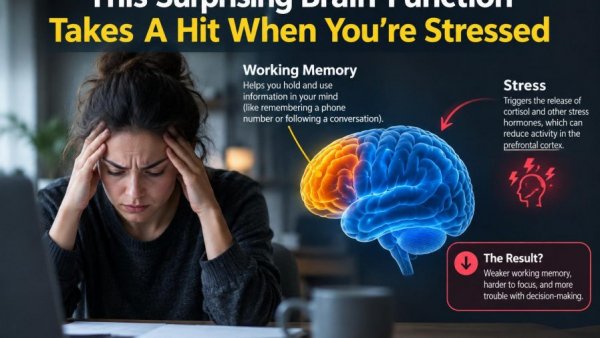
From work deadlines to family responsibilities, environmental stressors can trigger anxiety by affecting our hormone levels. The body’s stress response initiates the release of cortisol, often referred to as the “stress hormone.” Chronic exposure to high cortisol levels can wreak havoc on our health, impacting metabolic health and potentially leading to issues like insulin resistance. This highlights the importance of creating a supportive environment and effective coping strategies—including regular physical activity and mindfulness practices—to help manage stress and reduce anxiety.
Practical Biohacks to Alleviate Anxiety
While understanding the biological framework is essential, implementing practical solutions can foster resilience against anxiety. Engaging in biohacks such as maintaining a balanced diet rich in antioxidants—like glutathione—can promote brain health and aid in anxiety reduction. Incorporating regular exercise and hydration, particularly with products like hydrogen water, can significantly improve energy levels and overall mood. By establishing daily routines that prioritize these practices, individuals can empower themselves in the battle against anxiety.
Insights from Experts: Learning from Gary Brecka
Notably, experts like Gary Brecka share valuable insights on how to improve mental and physical health through simple lifestyle adjustments. By emphasizing the interconnectedness of our biological systems, Brecka advocates for a holistic approach to wellness, which includes elements like stress management, nutrition, and sustainable living practices. His perspective encourages busy executives and anyone grappling with anxiety to make proactive changes that promote longevity.
The Path Forward: Inspiring Change and Connection
Addressing anxiety is not solely about identifying biological triggers; it’s also about nurturing a community that supports mental well-being. By talking openly about anxiety and striving for greater understanding, we dismantle the stigma surrounding mental health. Engaging in supportive conversations, whether through podcasts or social circles, can create an environment where individuals feel safe to share their experiences and learn from one another.
Final Thoughts: Living Well Beyond Anxiety
Ultimately, understanding the biology behind anxiety is just the first step. By exploring practical biohacks and fostering supportive environments, we can create pathways toward better mental health. Whether you’re dealing with anxiety yourself or supporting someone else, remember that small, consistent changes in daily routines can lead to significant improvements in our overall quality of life.



Write A Comment