 Add Row
  Add
Add 


Did you know? Regularly consuming high-oleocanthal extra virgin olive oil has been tied to a dramatic reduction—up to 30%—in markers of chronic inflammatory disease in Mediterranean populations. In a world where aches, pains, and inflammation are daily struggles, nature might have packaged fast relief in your kitchen cabinet. This article dives deep into the science of oleocanthal anti-inflammatory effects, why the “sting” in true olive oil matters, and how simple habits offer powerful health benefits.
A Surprising Statistic: Oleocanthal’s Impact on Inflammatory Disease
Researchers studying Mediterranean populations report a lower prevalence of inflammatory disease and degenerative disease linked directly to high olive oil consumption—especially oils rich in oleocanthal. A recent study found that people who consume genuine extra virgin olive oil regularly enjoy up to 30% lower rates of arthritis, neurodegenerative diseases, and other related disease. The results showed that oleocanthal, a potent phenolic compound in olive oil, is responsible for much of this protective effect, rivaling even the most powerful synthetic anti-inflammatories.
Unlike many commercial pain relievers that may cause side effects, oleocanthal is a natural anti-inflammatory agent. Its unique structure allows it to disrupt inflammatory responses at the molecular level, acting similarly to ibuprofen but without the risks. This connection to reduced rates of chronic inflammatory and degenerative disease makes oleocanthal one of the most exciting natural health discoveries in recent years. If you’re seeking real, rapid, and natural pain relief, understanding this compound is essential.

What Makes Oleocanthal a Potent Anti-Inflammatory in Virgin Olive Oil?
Oleocanthal stands out among phenolic compounds in olive oil due to its ability to directly target the enzymes involved in inflammatory disease. Its structure closely resembles ibuprofen, a widely used over-the-counter pain reliever. Unlike synthetic drugs, however, oleocanthal anti-inflammatory properties come with the added benefit of being naturally occurring in extra virgin olive oil. What’s more, studies indicate that oleocanthal is especially potent in oils that maintain high phenolic content—meaning the fresher and more minimally processed the oil, the stronger the effect.
The concentration of oleocanthal in olive oils varies based on factors like olive variety, harvest timing, and extraction methods. That’s why tasting a small amount of fresh extra virgin olive oil often produces a telltale stinging sensation at the back of the throat—a sign that the oil is packed with this mighty anti-inflammatory. The presence of other phenolic compounds also supports oleocanthal’s antioxidant capacity, helping maintain healthy cells while reducing inflammation throughout the body.
For those interested in the broader impact of dietary choices on inflammation and chronic disease, it's worth noting that not all foods marketed as healthy are free from hidden risks. For example, rice—a staple in many diets—can sometimes contain contaminants that may undermine your anti-inflammatory efforts. Learn more about how high levels of arsenic in US rice could affect your health and what you can do to make safer choices.
| Olive Oil Type | Oleocanthal Content (mg/kg) | Typical Processing |
|---|---|---|
| Extra Virgin Olive Oil | 150–350 | Cold-pressed, unrefined |
| Virgin Olive Oil | 70–150 | Less strict processing |
| Pure/Refined Olive Oil | 0–50 | Heavily processed |
What You'll Learn About Oleocanthal Anti-Inflammatory Effects
- How oleocanthal works in the body
- Why ‘true’ extra virgin olive oil stings the throat
- Oleocanthal’s antioxidant and anti-inflammatory activity
- Ways to naturally increase phenol intake
- The potential rise of phenolic formulas
What Is Oleocanthal? Understanding the Phenolic Compound in Olive Oil
Oleocanthal is a powerful phenolic compound found in extra virgin olive oil. Its discovery transformed our understanding of olive oil’s health benefits. This compound not only imparts a characteristic peppery sting to the throat but also packs remarkable biological properties. The presence of oleocanthal distinguishes high-quality virgin olive oil from lesser grades and explains many of the health benefits tied to the traditional Mediterranean diet.
As a naturally occurring molecule, oleocanthal’s abundance depends on factors like olive type, climate, and oil extraction methods. True extra virgin olive oil contains the most, delivering its signature “bite” and offering a host of protective effects. People in Mediterranean populations, who traditionally consume olive oil daily, are less prone to inflammatory disease and chronic disorders—an effect largely attributed to oleocanthal.
How Oleocanthal Is Formed in Extra Virgin Olive Oil
Oleocanthal forms during the production of extra virgin olive oil, emerging through the mechanical pressing of olives. When olives are crushed, natural enzymes break down oleuropein and ligstroside—two key phenolic compounds—resulting in the formation of oleocanthal. The amount of oleocanthal ultimately present varies, influenced by olive variety, maturation stage, and processing conditions.
Camera-ready extra virgin olive oil, cold-pressed and minimally handled, preserves the highest levels of oleocanthal and other phenolic compounds. That’s why fresh, high-grade oils are not only more flavorful but also more potent in their anti-inflammatory effects. As research progresses, understanding the specific factors that boost oleocanthal concentration helps producers and consumers alike maximize health benefits.
Oleocanthal's Molecular Action Against Inflammatory Disease
At the cellular level, oleocanthal targets cyclooxygenase enzymes (COX-1 and COX-2)—the same enzymes addressed by common NSAIDs like ibuprofen. By inhibiting these enzymes, oleocanthal disrupts inflammatory pathways, decreases pain signaling, and limits the body’s release of pro-inflammatory chemicals. This effect has been shown in both in vitro studies of human immune cells and cancer cell research, revealing why it offers such powerful relief for conditions like arthritis and neurodegenerative disease.
But its benefits don’t stop at pain relief. Oleocanthal can also limit the progression of inflammatory disease, contributing to long-term health and even slowing the risk of cancer cell proliferation. “Oleocanthal’s rapid anti-inflammatory action is compared to ibuprofen by researchers, making it a natural choice for pain relief.” From the first taste, this compound starts defending your body—making oleocanthal not only a culinary treasure but also a key player in disease prevention.
Oleocanthal Anti-Inflammatory Mechanisms: What Happens in the Body?
The anti-inflammatory pathway of oleocanthal is precise and multifaceted. Once ingested, it targets the body’s primary inflammatory enzymes and disrupts the biochemical chain reactions that cause pain, swelling, and tissue damage. As a naturally occurring agent in extra virgin olive oil, oleocanthal quickly moves into action, mimicking the effects of NSAIDs but with fewer side effects. Its benefits are not limited to short-term relief; consistent consumption gradually supports overall immune health, helping to prevent degenerative disease and promote healthier tissue regeneration.
Unlike pharmaceutical anti-inflammatories, which can sometimes suppress the immune system excessively, oleocanthal supports the body’s natural healing processes. Its action helps the body maintain balance, reducing harmful inflammation without interfering with critical immune responses. This dual effect—quick suppression of pain and fostering long-term resilience—positions oleocanthal as a superlative natural remedy for those seeking safer, gentler alternatives to commercial drugs for inflammatory disease and chronic pain.
How Oleocanthal Interferes With Pain and Inflammatory Pathways
Pain and inflammation in the body are often caused by increased activity of COX enzymes and the resulting cascade of inflammatory molecules. Oleocanthal interferes by binding to these enzymes, blocking their activity, and thereby reducing the presence of prostaglandins—chemicals responsible for swelling, redness, and pain. This molecular interference is exactly how many NSAIDs operate, but with oleocanthal, the relief comes from a dietary pattern rooted in tradition and taste.
Moreover, recent studies show that the anti-inflammatory properties of oleocanthal go beyond immediate pain relief. The compound has been observed to prevent the buildup of chronic inflammation, a major driver of degenerative disease and neurodegenerative diseases. By consistently blocking these inflammatory triggers, oleocanthal not only treats acute pain but also safeguards tissues against long-term damage, fostering overall cellular health and reducing the need for synthetic pain remedies.

Oleocanthal as an Antioxidant: Supporting Healthy Cells
Oleocanthal’s talents aren’t limited to fighting inflammation. As a strong antioxidant, it shields healthy cells from oxidative stress—a key process behind aging and many degenerative conditions. Antioxidants like oleocanthal neutralize harmful free radicals before they can damage DNA, proteins, or lipid membranes, allowing the body’s cells to function optimally and heal naturally.
In addition to reducing inflammation, this antioxidant effect helps explain why populations consuming a Mediterranean diet rich in extra virgin olive oil enjoy lower rates of age-related disorders and certain cancers, including prostate cancer. Supporting healthy cells with both an anti-inflammatory and antioxidant agent is a one-two punch for long-lasting wellness, making oleocanthal a standout nutrient for anyone concerned about aging, chronic disease, and daily vitality.
Why Do Some Olive Oils Sting the Throat? The 'Feel-It' Oleocanthal Phenomenon
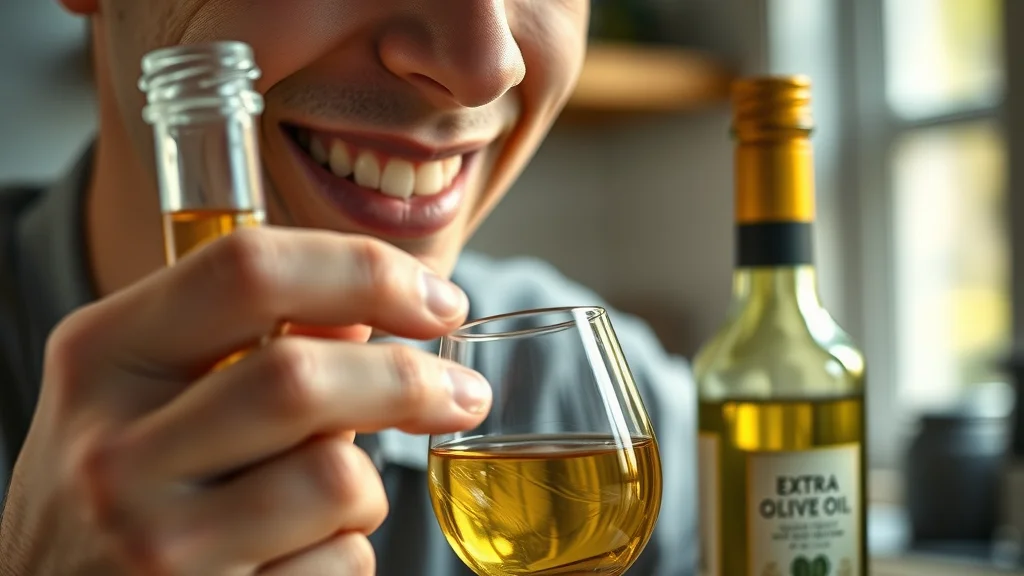
Have you ever noticed a peppery or stinging sensation at the back of your throat when tasting fresh extra virgin olive oil? This “throat bite” is the telltale sign of oleocanthal at work. Far from being an unpleasant side effect, the sensation signals a high concentration of this powerful anti-inflammatory molecule—and in fact, researchers discovered oleocanthal by noticing this exact feeling mirrors the experience of swallowing liquid ibuprofen.
The stinging sensation is strongest in unrefined oils with maximal phenolic content. Lower-grade or heavily processed olive oils lack this punch, lacking both healthful bite and beneficial compounds. So, next time you taste an oil that gently stings, celebrate—you’ve found the real stuff, and your body will thank you.
The Health Benefit of Throat Stinging and Extra Virgin Olive Oil
Many consumers are surprised to learn that the stinging sensation they experience from high-quality olive oil is highly desirable. This peppery bite is the direct result of a high concentration of oleocanthal, guaranteeing potent anti-inflammatory action with every dose. In fact, tasting an oil’s sharpness has become a useful test for both home cooks and professionals seeking the most healthful options.
The presence of oleocanthal not only offers fast relief from pain but also supports the body’s resilience against chronic inflammation and related disease. Its health benefit has been extensively documented, with studies tying regular consumption of “stinging” oils to reduced risk for chronic inflammatory and degenerative disease. The “throat bite” is a win-win: both a sensory delight and a sign that your oil is working hard for your health.
Concentration of Oleocanthal in Different Olive Oils
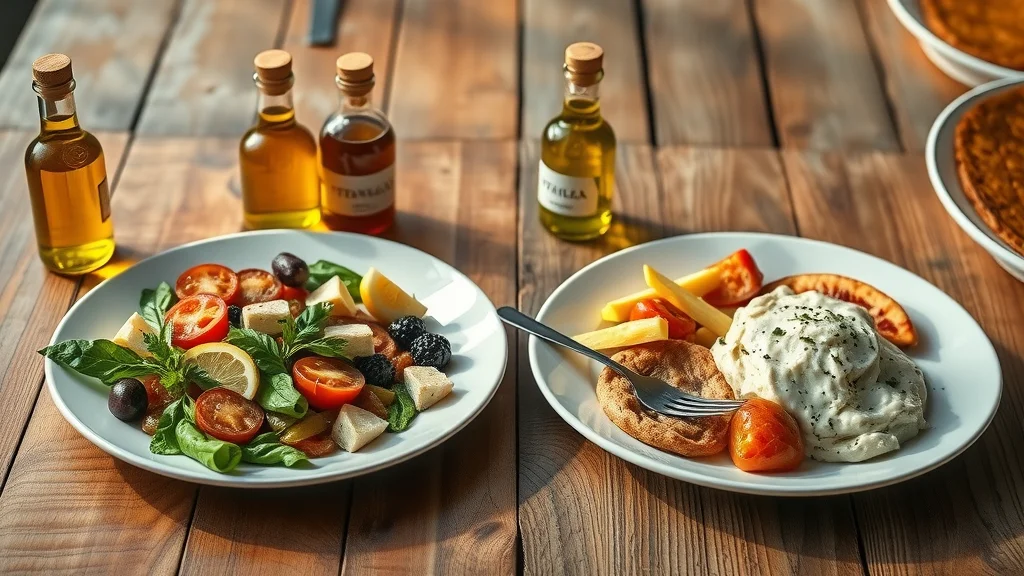
Not all olive oils share the same healing power. The concentration of oleocanthal is most robust in authentic, early-harvest, and cold-pressed extra virgin olive oil, where levels can be triple that of commercial-grade oils. Here’s why: unrefined, high-phenolic olive oils preserve all the naturally occurring compounds that get stripped out during heavy processing.
When selecting an oil, look for reputable sources, short harvest-to-bottle times, and a distinct peppery note on the palate. These attributes serve as a shorthand for high phenolic content and, with it, amplified anti-inflammatory activity. Oils labeled as “light,” “pure,” or simply “olive oil” tend to undergo refining that drastically cuts their oleocanthal content, leaving you with little more than bland calories and missed health opportunities.
The Health Benefits of Oleocanthal: Research on Degenerative Disease
The Mediterranean diet, featuring extra virgin olive oil as a daily staple, delivers broad health benefits—chief among them, protection against degenerative disease. Scientific research consistently links regular intake of oleocanthal-rich oils to a reduced risk of neurodegenerative conditions (like Alzheimer’s), certain cancers, cardiovascular disease, and long-term inflammatory disease. These effects are especially pronounced in populations eating a traditional dietary pattern high in plant-based foods and olive oil.
“Consuming high-oleocanthal extra virgin olive oil regularly is associated with a lower risk of degenerative diseases.” In addition to its inflammation-fighting prowess, oleocanthal’s antioxidant profile safeguards cells from damage, slows aging, and maintains vascular health. By incorporating genuine olive oil into your routine, you can tap into the same health benefit that protects generations of Mediterranean populations from many of the world’s most common chronic illnesses.
How Modern Diets Fall Short in Oleocanthal and Phenolic Compounds
Despite the benefits, modern diets often fall dangerously short when it comes to consuming oleocanthal and other vital phenolic compounds. Fast food, processed meals, and “lite” oils strip away the very nutrients our cells crave. The result? Increased rates of chronic inflammation and degenerative disease—conditions rare among Mediterranean populations still enjoying generous helpings of true extra virgin olive oil.
Current trends also reveal a misconception: simply eating any olive oil is not enough. Only high-phenolic, cold-pressed, and unrefined oils deliver the remarkable anti-inflammatory benefits demonstrated in studies. Adding more “healthy fats” to your dietary pattern without prioritizing phenolic content may limit your results. For maximum protection, choose the sharpest-tasting, freshest oils possible, and consider supplementing with concentrated phenolic formulas where appropriate.
Rising Interest: Phenolic Compound Concentrates and Supplements
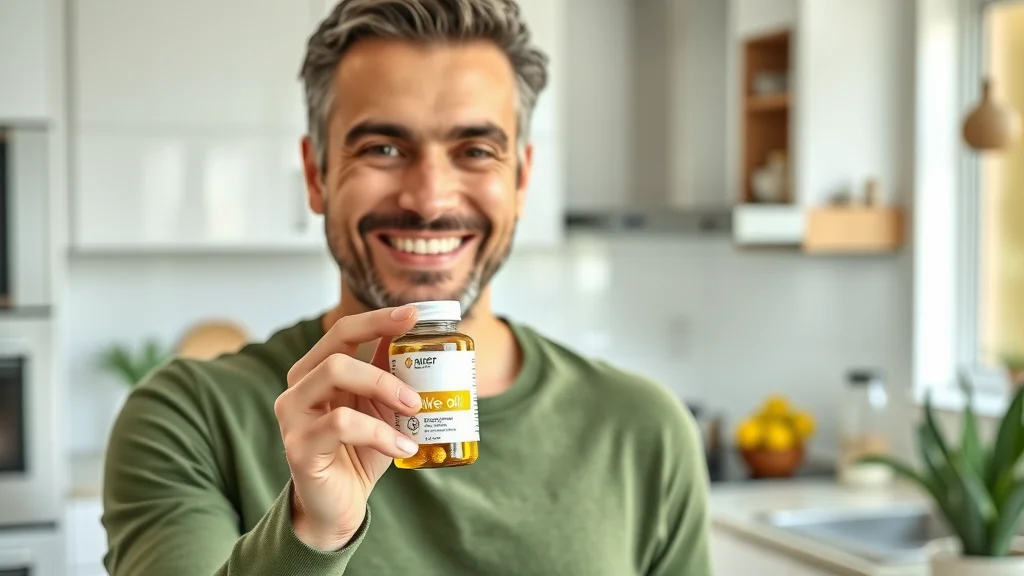
With the surge in awareness about the remarkable benefits of oleocanthal, demand for concentrated phenolic supplements is booming. These formulas extract and stabilize the most potent health-promoting compounds from olive oil, offering a convenient solution for those seeking daily anti-inflammatory support without needing to consume large quantities of oil.
While more research is still needed to assess whether supplementation matches the holistic benefits of consuming real extra virgin olive oil, early results are encouraging. For people looking to optimize health or manage chronic inflammatory conditions, such concentrates offer hope—especially where access to high-quality oils is limited. As science moves forward, these supplements may become a staple for proactive health management and degenerative disease prevention.
Simple Ways to Boost Oleocanthal and Phenolic Compound Intake
- Select genuine extra virgin olive oil
- Look for ‘throat bite’ when tasting
- Leverage emerging phenolic compound supplements
- Incorporate olive oil into daily rituals
Want to get more from your olive oil? Choose reputable brands, taste before you buy whenever possible, and drizzle liberally over salads, vegetables, and home-cooked dishes. For those who don’t enjoy the taste or want a further boost, specialized phenolic supplements—soon more widely available—offer an easy route to elevated intake. Combine these steps for daily anti-inflammatory resilience and robust overall health.
Watch: Animated overview – How Oleocanthal Anti-Inflammatory Effects Work in the Body
People Also Ask About Oleocanthal Anti-Inflammatory Effects
What is oleocanthal good for?
Answer: Oleocanthal is known for its strong anti-inflammatory benefits, its ability to relieve pain, and its support for long-term health by reducing the risk of degenerative and inflammatory disease.
What is the strongest natural anti-inflammatory?
Answer: Oleocanthal, found in extra virgin olive oil, is regarded as one of the most potent natural anti-inflammatories due to its molecular properties, often compared to ibuprofen.
Which olive oil is best for anti-inflammatory?
Answer: Genuine extra virgin olive oil with a high concentration of oleocanthal is the best option for those seeking anti-inflammatory benefits.
How long does it take olive oil to reduce inflammation?
Answer: Some studies suggest that the anti-inflammatory effect of oleocanthal in olive oil can begin within hours, though regular intake is optimal for lasting health benefits.
Watch: Expert discussion: Choosing High-Oleocanthal Extra Virgin Olive Oil
FAQs on Oleocanthal Anti-Inflammatory Properties
- Is oleocanthal safe for daily consumption?
- Are supplements as effective as olive oil for oleocanthal delivery?
- Can children benefit from oleocanthal anti-inflammatory effects?
- What other foods have oleocanthal anti-inflammatory qualities?
Key Takeaways: Oleocanthal Anti-Inflammatory Fast Relief
- Oleocanthal provides rapid and natural anti-inflammatory relief
- Best sourced from true extra virgin olive oil
- Regular intake supports overall health and reduces degenerative disease risks
Final Thoughts: Why the Oleocanthal Anti-Inflammatory Pathway Matters Now
The growing scientific backing for foods rich in phenolic compounds—especially oleocanthal—demands a dietary rethink. By choosing extra virgin olive oil and seeking out the strongest, most natural anti-inflammatory sources, we empower ourselves to fight pain, inflammation, and degenerative disease from the inside out. The time to embrace this natural pathway is now, as evidence mounts and solutions become more accessible.
The Future: The Rise of Concentrated Phenolic Compound Formulas
The next frontier is the development of concentrated phenolic compound formulas—supplements capturing the essence of olive oil's health benefits in convenient, validated doses. As demand rises for side-effect-free anti-inflammatories, these products may redefine how we approach prevention and pain relief, making oleocanthal accessible to everyone, everywhere.
Opinion: Embracing Natural Oleocanthal Solutions for Long-Term Health
In our fast-paced world filled with quick fixes, embracing oleocanthal anti-inflammatory properties from nature stands out as both practical and wise. Instead of reaching for the next pill, prioritizing genuine extra virgin olive oil and proven phenolic supplements can help pave the way to a healthier, more resilient body—today and for decades to come.
Curious how people boost their olive phenols without drinking oil? Download the 5 Daily Rituals for Longevity
Take your health to the next level. Discover simple daily strategies for increasing your intake of oleocanthal and phenolic compounds—no heavy oil-drinking required. Download the 5 Daily Rituals for Longevity now!
If you’re inspired to make smarter choices for your long-term health, consider how every ingredient in your diet can play a role in either supporting or undermining your wellness goals. Exploring topics like food safety and hidden dietary risks can further empower you to build a truly anti-inflammatory lifestyle. For a deeper dive into how everyday foods may impact your health, including important consumer guidance on staples like rice, visit our comprehensive guide on arsenic levels in US rice and what you need to know. Expanding your knowledge in this way helps you make informed, holistic decisions—ensuring your path to vitality is both safe and sustainable.




Write A Comment