

Direct Cell Nutrition
  • Home
  • Categories
    • Oxygen and Energy
    • Hormones and Libido
    • Inflammation and Immunity
    • Brain and Mood
    • Gut and Detox
    • Longevity and Aging
    • Women's Health
    • Men's Health
November 08.2026
3 Minutes Read

Explore Why Spending Time in Nature Quietly Heals Your Mind

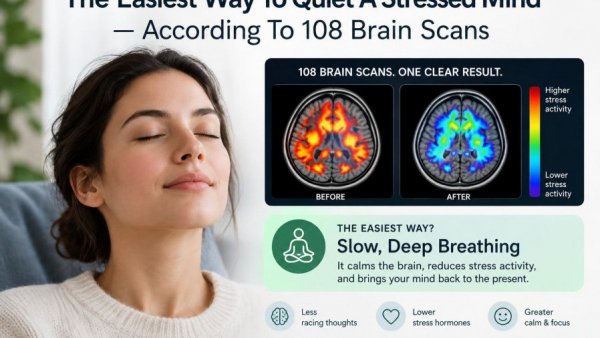
The Easiest Way To Quiet A Stressed Mind — According To 108 Brain Scans

Understanding the Stress Reliever: Nature's Impact on our Brains

As busy professionals, we often find ourselves juggling multiple responsibilities, from work deadlines to family obligations. In the whirlwind of daily life, stress becomes a frequent companion. But just a simple 20-minute stroll in a local park can do wonders for your mental well-being. Research shows that spending time in nature not only uplifts your mood but also triggers profound changes in brain activity. This isn’t just anecdotal evidence; it's supported by science, with 108 brain scans contributing to our understanding of why nature is such an effective stress-relief tool.

Four Major Brain Changes Induced by Nature

The findings from a comprehensive review published in the journal Neuroscience & Biobehavioral Reviews reveal significant brain changes when individuals interact with natural environments. These insights stem from a scoping review that collated data from various neuroimaging studies, revealing a consistent pattern across diverse research methodologies. Let's explore these changes:

1. Enhanced Visual Processing

One of the first benefits of being in nature is how easily our brains process natural scenes. Unlike the chaotic visuals in urban settings, nature is rich with fractal patterns—repeating forms found in trees, landscapes, and leaves. These patterns make it simpler for our minds to interpret what we're seeing, reducing cognitive load and allowing our brains to rest.

2. Reduction in Stress Responses

Returning to a calmer state is another vital change. Brain scans show decreased activity in the amygdala, known for its role in detecting threats. As our senses are less over-stimulated, physiological markers of stress, like heart rate, tend to normalize, and we naturally shift from a fight-or-flight state to a more relaxed mode.

3. Recovering Attention Focus

Daily stress often leads us to rely heavily on what scientists describe as directed attention—a focused effort to manage tasks and filter distractions. In nature, however, we engage a form of attention known as “soft fascination.” Rather than forcing concentration, we are drawn in by natural cues, effectively letting our mental strain ease away.

4. Calming Mental Rumination

For many, the hustle and bustle of life leads to cycles of negative thoughts, often labeled as rumination. Nature has been shown to help quiet these patterns by decreasing activity in brain regions associated with self-focused thinking. This interruption can serve as a powerful reset, allowing for clearer, more positive perspectives on daily challenges.

Practical Steps to Reconnect with Nature

Knowing how beneficial nature can be is one thing, but integrating it into your life can be another. Here are some practical tips to increase your exposure to nature:

  • Take a walk during breaks: Whenever possible, step outside, even just for a few minutes, to enjoy fresh air and the natural surroundings.
  • Plan weekend excursions: Opt for hiking, picnicking, or simply exploring local parks to further immerse yourself in greenery.
  • Incorporate nature into daily routines: View natural scenes during work breaks or choose indoor plants that can have stress-relieving effects.
  • Join eco-friendly community events: Participate in local parks or green space initiatives to connect with both nature and your community.

Embracing Sustainable Wellness

As we strive for a healthier lifestyle, it's worth considering sustainable practices that not only benefit personal well-being but also the environment. Brands focused on eco-friendly products are increasingly accessible—from biodegradable packaging to sustainable food sources aimed at reducing our ecological footprint. Consider trying:

  • Organic food delivery: Services that deliver locally sourced food to promote both health and sustainability.
  • Reusable products: Commit to using reusable food storage containers or compostable packaging to minimize waste.
  • Ethical clothing brands: Support sustainable fashion choices that boost your wardrobe while caring for the planet.

The interconnection between well-being and nature is compelling and deeply backed by research. By taking tangible steps towards experiencing nature more often and adopting a sustainable lifestyle, we can enhance our personal health and contribute positively to our environment.

To further your journey towards sustainable mental and physical health, consider exploring more about the best eco-friendly brands in Australia, or look into zero waste products that can transform your daily habits. Together, let’s embrace wellness now and into the future!


Brain and Mood

0 Views

0 Comments

Write A Comment

*
*
Please complete the captcha to submit your comment.
Related Posts All Posts
11.06.2026

How Exercise Helps Your Body Handle Stress and Energize Your Life

Update Understanding the Stress Response Stress is a common part of our lives, pushing our bodies into a state of alertness. This response, while beneficial in short bursts, can become detrimental when prolonged. The impact of stress affects our hormone levels, mental clarity, and even our longevity. When the body is stressed, it releases hormones like cortisol and adrenaline which prepare us for the "fight or flight" response. Unfortunately, constant stress can lead to various health issues, including anxiety disorders, depression, cardiac problems, and weakened immune function. Understanding this physiological response is crucial for managing stress effectively and maintaining our overall well-being.In HOW EXERCISE HELPS YOUR BODY HANDLE STRESS WITH TJ POWER, the discussion dives into how physical activity sparks joy and resilience, exploring key insights that sparked deeper analysis on our end. Exercise: A Natural Stress Buster Exercise serves as a powerful antidote to stress. When we engage in physical activities, our body releases endorphins, chemicals in the brain that act as natural painkillers and mood elevators. This phenomenon is often referred to as the "runner's high," where individuals experience a euphoric feeling after a good exercise session. Regular exercise can improve mental health significantly, providing a structured way to cope with anxiety and depression. Furthermore, it can improve sleep quality, which is often disrupted by stress. Whether it's a brisk walk, cycling through the neighborhood, or hitting the gym, finding a physical outlet can transform one's approach to stress. Building A Stress-Relief Routine Incorporating exercise into our daily routines can lead to profound changes in stress management. Establishing a consistent workout routine—whether it consists of yoga to promote mindfulness, high-intensity interval training (HIIT), or even dance—can significantly enhance resilience against stress. For busy executives or seniors, even short bursts of activity can yield substantial benefits. It’s all about finding the right rhythm that fits into one's lifestyle, fostering a sense of accomplishment and energy. Additionally, setting realistic goals helps in maintaining motivation; instead of overwhelming oneself with ambitious targets, progressive increments can lead to greater satisfaction and adherence. Harnessing the Benefits of Movement Movement not only combats stress but also supports metabolic health and overall vitality. This simple inclusion of regular exercise can aid in improving insulin resistance and mitochondrial health. Exercise promotes better blood circulation, which allows for more efficient oxygen transport and nutrient delivery throughout the body. This, in turn, contributes to a positive mood and sustained energy levels throughout the day. It is increasingly recognized that even brief sessions of movement, such as a 10-minute walk, can have beneficial effects. As noted by experts like Gary Brecka, incorporating "bio hacks" such as hydration with hydrogen water and maintaining a balanced diet can amplify the stress-relief benefits of exercise. The Importance of Group Activities Engaging in exercise with others can deepen its benefits. Group workouts create a social environment that fosters connections and reduces feelings of isolation. This social aspect is often crucial, as stress can enhance feelings of loneliness. At the same time, group activities motivate participants to stretch beyond their comfort zones, fostering a sense of community and accountability. Whether through group classes at the gym, yoga sessions, or hiking with friends, these communal experiences can bolster mental health, alleviate stress, and even promote longevity. Exercise can turn into an enjoyable social outlet, making it easier to maintain a regular physical routine. Finding Balance and Staying Energized With the hustle and bustle of daily life, finding balance can be challenging. Prioritizing exercise as part of a holistic approach to health—encompassing rest, nutrition, and social engagement—can prove invaluable. In today’s fast-paced world, carving out time for physical activity can be difficult but is necessary for effective stress management. Commitment to regular physical activity not only helps navigate stress but also exemplifies a commitment to longevity. It’s about harnessing small, daily adjustments, like integrating a walk into your lunch break or choosing stairs over elevators, that lead to significant changes in well-being. Conclusion: Take the First Step Adopting exercise into daily life fosters not just physical health but mental resilience, aiding in the management of stress and enhancing quality of life. Embrace these routines, stay active, and watch the way your body responds. For anyone unsure about where to begin, consider reaching out to local fitness trainers, wellness podcasts, or community groups. Small steps, whether through joining a local sports club or just going for a walk around your neighborhood, can lead to major improvements in both physical and mental health. Take that first step towards a healthier, more energized lifestyle today—it’s never too late to start!

08.03.2026

What Anxiety Really Is: Insights from Gary Brecka and Bio Hacks for Wellness

Update Understanding Anxiety: More Than Just Worry Anxiety is something that many people experience in their daily lives, but what exactly is it? In the short video titled WHAT ANXIETY REALLY IS: GARY BRECKA, Gary Brecka, a well-known human biologist and longevity expert, unpacks the complexities of anxiety and how it influences our overall well-being. Brecka reveals that anxiety is not merely a product of our thoughts but is deeply rooted in our biology. This insight is essential because it allows us to approach anxiety from a more holistic perspective, understanding that both our mind and body require attention.In WHAT ANXIETY REALLY IS: GARY BRECKA, Gary Brecka delves into the complexities of anxiety, exploring key insights that sparked deeper analysis on our end. The Biological Basis of Anxiety According to Brecka, anxiety can be understood as an imbalance within our body’s systems, affecting features like our metabolic health. He emphasizes the role that mitochondria play, which are the powerhouse of our cells responsible for energy production. When our mitochondria are not functioning optimally, it can lead to feelings of being tired even after sleeping, often mistaken for signs of depression. This understanding shifts the focus from merely managing anxiety to improving the health of our bodies at a cellular level. It highlights how closely intertwined our physical health and mental well-being really are. Strategies to Combat Anxiety If you’re wondering how to succeed in managing anxiety, Brecka suggests several bio hacks that can help. Incorporating elements such as hydrogen water and glutathione supplements into daily routines can offer support. These substances assist in detoxifying the body from harmful microplastics and enhancing overall health, which can lead to a reduction in anxiety levels. Additionally, focusing on nutrition—such as incorporating omega-3 fatty acids and B vitamins—can also greatly influence mental health, creating a supportive environment for managing anxiety. This multifaceted approach can empower individuals to take proactive steps in their health journey. Daily Routines: Your Path to Longevity While understanding anxiety is crucial, the implementation of healthy daily routines holds the key to preventing and managing it effectively. Brecka highlights that busy executives often neglect their health due to a packed schedule. However, dedicating just a few minutes each day to practices like mindfulness, regular exercise, and hydration can significantly improve mental health and reduce feelings of anxiety. Simple practices such as deep breathing exercises or progressive muscle relaxation can serve as powerful tools for anyone feeling overwhelmed, helping to refocus the mind and stabilize emotions. Inspiration from Podcasting Engaging with podcasts can be an effective way to learn about anxiety and mental wellness from various experts, including Brecka himself. His discussions often touch upon how to navigate the modern world’s challenges, addressing topics like PTSD and how to cultivate a positive mindset. Listeners can gain valuable insights that resonate with their personal experiences, making the lessons applicable in their lives. Whether you’re commuting to work or taking a quiet moment at home, these thought-provoking conversations can inspire listeners to take actionable steps toward achieving better health and well-being. It's a modern approach to education that promotes ongoing growth and understanding. Conclusion: Empowering Yourself Against Anxiety Understanding what anxiety really is and recognizing its biological roots empowers individuals to take charge of their health. This knowledge-driven approach enables us to look beyond just the symptoms and understand the underpinning causes of anxiety. Whether you’re looking for practical tips to integrate bio hacks into your life or seeking to comprehend how environmental factors influence mental health, this exploration is crucial. Remember, embracing simple changes in your daily routine can help combat anxiety and promote a healthier, more energized life. Taking small yet significant steps, whether through nutritional changes or personal practices, can have a profound impact on your overall emotional resilience and mental wellness.

09.19.2026

Exploring Unique Dietary Needs for Children with ADHD: What You Should Know

Update Understanding ADHD and Diet: A Meaningful Connection When discussing ADHD (Attention Deficit Hyperactivity Disorder), the conversation often gravitates toward medication, therapy, and behavioral strategies. However, recent insights suggest that nutrition plays a pivotal role in managing the condition. A conversation sparked by the video Two kids with ADHD may need two very different diets reveals the diversity in dietary needs among children with ADHD. This analysis underlines how personalized nutrition can support not just physical health, but significantly influence mental well-being as well.In the video Two kids with ADHD may need two very different diets, the discussion highlights how dietary differences can impact children with ADHD, leading us to further analyze this important topic. Why Diet Matters for ADHD Diet can significantly affect ADHD symptoms and overall cognitive function. Nutrients like omega-3 fatty acids, found in fish, flaxseeds, and walnuts, are known to support brain health and reduce inflammation. Additionally, essential minerals such as magnesium, zinc, and iron are vital for neurotransmitter regulation. Children with ADHD may benefit from diets rich in these nutrients, as they can contribute to improved focus and reduced hyperactivity. How Different Dietary Approaches Can Help While one child may thrive on a gluten-free diet, another may find benefits from a ketogenic approach. Wendy Myers, an expert on health and wellness, emphasizes that listening to individual body responses is key. For example, gluten intolerance can lead to chronic fatigue and disrupted focus in some, while others may not be affected at all. Identifying and avoiding specific foods can enhance each child’s ability to manage their ADHD symptoms. Practical Insights for Parents For parents seeking to improve their child's dietary habits, consider implementing a hair mineral analysis, which can provide insights into possible deficiencies or toxicities that may affect behavior and attention levels. This method assesses how well the body processes essential minerals, which can highlight nutritional gaps that interfere with hormonal balance or immune function. Foods to Consider Avoiding Many parents are surprised to learn that certain foods can trigger or exacerbate ADHD symptoms. Processed foods high in sugar and artificial additives can lead to increased hyperactivity and mood fluctuations. It’s worth evaluating your child’s diet and gradually eliminating these items to observe if changes occur. Foods high in refined sugars, additives, and preservatives should be replaced with whole foods like fruits, vegetables, whole grains, and lean proteins to support your child's health. Emotional and Human Interest Perspectives Every family has a unique story when navigating ADHD. One mother of a child with ADHD shared that after switching her son's diet, she noticed remarkable improvements in his mood and concentration levels at school. This narrative illustrates that while the path can be challenging, the journey toward healthier dietary choices can be rewarding both for the child and the family. Developing a Personalized Nutrition Plan Creating a personalized nutrition plan for your child can seem daunting, but it doesn’t have to be. Here are some actionable tips: Start by keeping a food diary to track what your child eats and how it affects their behavior. Incorporate foods high in essential nutrients while gradually phasing out inflammatory options. Consult a nutritionist specializing in ADHD to help tailor a diet specific to your child's needs. Future Predictions and Opportunities As research continues to evolve, we will likely see a greater emphasis on the connection between diet and ADHD in both clinical practices and public awareness initiatives. The implications of understanding this link could lead to more effective management strategies not just in children but also in adults facing similar challenges. Ultimately, understanding the dietary needs of children with ADHD can empower families to make informed choices that support better health outcomes. This individualized approach to nutrition stands at the intersection of diet, behavior, and overall well-being. As we dig deeper into the complex relationship between food and mental health, we uncover not just insights but also hope for those striving for a healthier, happier life. As you explore ways to optimize your child’s diet for ADHD, consider taking a holistic approach. For more practical tips and insights on health trends, check out Wendy Myers’ podcast, where she delves into wellness topics that can help both you and your family thrive.

Direct Cell Nutrition News

Addressing the root causes of ATP production, oxygen deficiency, inflammation, toxicity, and hormone collapse – through high-bioavailability protocols.

COMPANY

  • Privacy Policy
  • Terms of Use
  • Advertise
  • Contact Us
  • Menu 5
  • Menu 6

PROVIDING ONLINE

Health & Wellness

Solutions

www.directcellnutrition.com

ABOUT US

Direct Cell Nutrition leads the shift toward absorption-first wellness, rooted in plant based delivery systems and cellular intelligence. Our mission is to educate, empower, and elevate those seeking real health solutions from the inside out.

© 2026 Direct Cell Nutrition All Rights Reserved. Providing Online, Health, And Wellness . Contact Us . Terms of Service . Privacy Policy

eyJjb21wYW55IjoiRGlyZWN0IENlbGwgTnV0cml0aW9uIiwiYWRkcmVzcyI6IlByb3ZpZGluZyBPbmxpbmUiLCJjaXR5IjoiSGVhbHRoIiwic3RhdGUiOiJBbmQiLCJ6aXAiOiJXZWxsbmVzcyIsImVtYWlsIjoiYWRtaW5AZGlyZWN0Y2VsbG51dHJpdGlvbi5jb20iLCJ0b3MiOiJQSEErUEhOMGNtOXVaejQ4WlcwK1YyaGxiaUI1YjNVZ2MybG5iaTFwYmlCM2FYUm9JSFZ6TENCNWIzVWdZWEpsSUdkcGRtbHVaeVp1WW5Od095QjViM1Z5SUhCbGNtMXBjM05wYjI0Z1lXNWtJR052Ym5ObGJuUWdkRzhnYzJWdVpDQjViM1VnWlcxaGFXd2dZVzVrTDI5eUlGTk5VeUIwWlhoMElHMWxjM05oWjJWekxpQkNlU0JqYUdWamEybHVaeUIwYUdVZ1ZHVnliWE1nWVc1a0lFTnZibVJwZEdsdmJuTWdZbTk0SUdGdVpDQmllU0J6YVdkdWFXNW5JR2x1SUhsdmRTQmhkWFJ2YldGMGFXTmhiR3g1SUdOdmJtWnBjbTBnZEdoaGRDQjViM1VnWVdOalpYQjBJR0ZzYkNCMFpYSnRjeUJwYmlCMGFHbHpJR0ZuY21WbGJXVnVkQzQ4TDJWdFBqd3ZjM1J5YjI1blBqd3ZjRDRLQ2p4d1BqeGhJR2h5WldZOUltaDBkSEE2THk5M2QzY3VaMjl2WjJ4bExtTnZiU0krYUhSMGNEb3ZMM2QzZHk1bmIyOW5iR1V1WTI5dFBDOWhQand2Y0Q0S0NqeHdQaVp1WW5Od096d3ZjRDRLQ2p4d1BqeHpkSEp2Ym1jK1UwVlNWa2xEUlR3dmMzUnliMjVuUGp3dmNENEtDanh3UGxkbElIQnliM1pwWkdVZ1lTQnpaWEoyYVdObElIUm9ZWFFnWTNWeWNtVnVkR3g1SUdGc2JHOTNjeUI1YjNVZ2RHOGdjbVZqWldsMlpTQnlaWEYxWlhOMGN5Qm1iM0lnWm1WbFpHSmhZMnNzSUdOdmJYQmhibmtnYVc1bWIzSnRZWFJwYjI0c0lIQnliMjF2ZEdsdmJtRnNJR2x1Wm05eWJXRjBhVzl1TENCamIyMXdZVzU1SUdGc1pYSjBjeXdnWTI5MWNHOXVjeXdnWkdselkyOTFiblJ6SUdGdVpDQnZkR2hsY2lCdWIzUnBabWxqWVhScGIyNXpJSFJ2SUhsdmRYSWdaVzFoYVd3Z1lXUmtjbVZ6Y3lCaGJtUXZiM0lnWTJWc2JIVnNZWElnY0dodmJtVWdiM0lnWkdWMmFXTmxMaUJaYjNVZ2RXNWtaWEp6ZEdGdVpDQmhibVFnWVdkeVpXVWdkR2hoZENCMGFHVWdVMlZ5ZG1salpTQnBjeUJ3Y205MmFXUmxaQ0FtY1hWdmREdEJVeTFKVXlaeGRXOTBPeUJoYm1RZ2RHaGhkQ0IzWlNCaGMzTjFiV1VnYm04Z2NtVnpjRzl1YzJsaWFXeHBkSGtnWm05eUlIUm9aU0IwYVcxbGJHbHVaWE56TENCa1pXeGxkR2x2Yml3Z2JXbHpMV1JsYkdsMlpYSjVJRzl5SUdaaGFXeDFjbVVnZEc4Z2MzUnZjbVVnWVc1NUlIVnpaWElnWTI5dGJYVnVhV05oZEdsdmJuTWdiM0lnY0dWeWMyOXVZV3hwZW1GMGFXOXVJSE5sZEhScGJtZHpMand2Y0Q0S0NqeHdQbGx2ZFNCaGNtVWdjbVZ6Y0c5dWMybGliR1VnWm05eUlHOWlkR0ZwYm1sdVp5QmhZMk5sYzNNZ2RHOGdkR2hsSUZObGNuWnBZMlVnWVc1a0lIUm9ZWFFnWVdOalpYTnpJRzFoZVNCcGJuWnZiSFpsSUhSb2FYSmtJSEJoY25SNUlHWmxaWE1nS0hOMVkyZ2dZWE1nVTAxVElIUmxlSFFnYldWemMyRm5aWE1zSUVsdWRHVnlibVYwSUhObGNuWnBZMlVnY0hKdmRtbGtaWElnYjNJZ1kyVnNiSFZzWVhJZ1lXbHlkR2x0WlNCamFHRnlaMlZ6S1M0Z1dXOTFJR0Z5WlNCeVpYTndiMjV6YVdKc1pTQm1iM0lnZEdodmMyVWdabVZsY3l3Z2FXNWpiSFZrYVc1bklIUm9iM05sSUdabFpYTWdZWE56YjJOcFlYUmxaQ0IzYVhSb0lIUm9aU0JrYVhOd2JHRjVJRzl5SUdSbGJHbDJaWEo1SUc5bUlHVmhZMmdnVTAxVElIUmxlSFFnYldWemMyRm5aU0J6Wlc1MElIUnZJSGx2ZFNCaWVTQjFjeTRnU1c0Z1lXUmthWFJwYjI0c0lIbHZkU0J0ZFhOMElIQnliM1pwWkdVZ1lXNWtJR0Z5WlNCeVpYTndiMjV6YVdKc1pTQm1iM0lnWVd4c0lHVnhkV2x3YldWdWRDQnVaV05sYzNOaGNua2dkRzhnWVdOalpYTnpJSFJvWlNCVFpYSjJhV05sSUdGdVpDQnlaV05sYVhabElIUm9aU0JUVFZNZ2RHVjRkQ0J0WlhOellXZGxjeTRnVjJVZ1pHOGdibTkwSUdOb1lYSm5aU0JoYm5rZ1ptVmxjeUJtYjNJZ1pHVnNhWFpsY25rZ2IyWWdaVzFoYVd3Z2IzSWdVMDFUTGlCVWFHbHpJR2x6SUdFZ1puSmxaU0J6WlhKMmFXTmxJSEJ5YjNacFpHVmtJR0o1SUhWekxpQkliM2RsZG1WeUxDQndiR1ZoYzJVZ1kyaGxZMnNnZDJsMGFDQjViM1Z5SUdsdWRHVnlibVYwSUhObGNuWnBZMlVnY0hKdmRtbGtaWElnWVc1a0lHTmxiR3gxYkdGeUlHTmhjbkpwWlhJZ1ptOXlJR0Z1ZVNCamFHRnlaMlZ6SUhSb1lYUWdiV0Y1SUdsdVkzVnlJR0Z6SUdFZ2NtVnpkV3gwSUdaeWIyMGdjbVZqWldsMmFXNW5JR1Z0WVdsc0lHRnVaQ0JUVFZNZ2RHVjRkQ0J0WlhOellXZGxjeUIwYUdGMElIZGxJR1JsYkdsMlpYSWdkWEJ2YmlCNWIzVnlJRzl3ZEMxcGJpQmhibVFnY21WbmFYTjBjbUYwYVc5dUlIZHBkR2dnYjNWeUlHVnRZV2xzSUdGdVpDQlRUVk1nYzJWeWRtbGpaWE11SUZsdmRTQmpZVzRnWTJGdVkyVnNJR0YwSUdGdWVTQjBhVzFsTGlCS2RYTjBJSFJsZUhRZ0puRjFiM1E3VTFSUFVDWnhkVzkwT3lCMGJ5WnVZbk53T3p4b2FXZG9iR2xuYUhRZ1kyeGhjM005SW1OdmJYQmhibmxUVFZOUWFHOXVaVlZ3WkdGMFpTSStiblZzYkR3dmFHbG5hR3hwWjJoMFBpNGdRV1owWlhJZ2VXOTFJSE5sYm1RZ2RHaGxJRk5OVXlCdFpYTnpZV2RsSUNaeGRXOTBPMU5VVDFBbWNYVnZkRHNnZEc4Z2RYTXNJSGRsSUhkcGJHd2djMlZ1WkNCNWIzVWdZVzRnVTAxVElHMWxjM05oWjJVZ2RHOGdZMjl1Wm1seWJTQjBhR0YwSUhsdmRTQm9ZWFpsSUdKbFpXNGdkVzV6ZFdKelkzSnBZbVZrTGlCQlpuUmxjaUIwYUdsekxDQjViM1VnZDJsc2JDQnVieUJzYjI1blpYSWdjbVZqWldsMlpTQlRUVk1nYldWemMyRm5aWE1nWm5KdmJTQjFjeTQ4TDNBK0NnbzhjRDQ4YzNSeWIyNW5QbGxQVlZJZ1VrVkhTVk5VVWtGVVNVOU9JRTlDVEVsSFFWUkpUMDVUUEM5emRISnZibWMrUEM5d1Bnb0tQSEErU1c0Z1kyOXVjMmxrWlhKaGRHbHZiaUJ2WmlCNWIzVnlJSFZ6WlNCdlppQjBhR1VnVTJWeWRtbGpaU3dnZVc5MUlHRm5jbVZsSUhSdk9qd3ZjRDRLQ2p4dmJENEtDVHhzYVQ1d2NtOTJhV1JsSUhSeWRXVXNJR0ZqWTNWeVlYUmxMQ0JqZFhKeVpXNTBJR0Z1WkNCamIyMXdiR1YwWlNCcGJtWnZjbTFoZEdsdmJpQmhZbTkxZENCNWIzVnljMlZzWmlCaGN5QndjbTl0Y0hSbFpDQmllU0IwYUdVZ1UyVnlkbWxqWlNZak16azdjeUJ5WldkcGMzUnlZWFJwYjI0Z1ptOXliU0FvYzNWamFDQnBibVp2Y20xaGRHbHZiaUJpWldsdVp5QjBhR1VnSm5GMWIzUTdVbVZuYVhOMGNtRjBhVzl1SUVSaGRHRW1jWFZ2ZERzcElHRnVaRHd2YkdrK0NnazhiR2srYldGcGJuUmhhVzRnWVc1a0lIQnliMjF3ZEd4NUlIVndaR0YwWlNCMGFHVWdVbVZuYVhOMGNtRjBhVzl1SUVSaGRHRWdkRzhnYTJWbGNDQnBkQ0IwY25WbExDQmhZMk4xY21GMFpTd2dZM1Z5Y21WdWRDQmhibVFnWTI5dGNHeGxkR1V1SUVsbUlIbHZkU0J3Y205MmFXUmxJR0Z1ZVNCcGJtWnZjbTFoZEdsdmJpQjBhR0YwSUdseklIVnVkSEoxWlN3Z2FXNWhZMk4xY21GMFpTd2dibTkwSUdOMWNuSmxiblFnYjNJZ2FXNWpiMjF3YkdWMFpTd2diM0lnZDJVZ2FHRjJaU0J5WldGemIyNWhZbXhsSUdkeWIzVnVaSE1nZEc4Z2MzVnpjR1ZqZENCMGFHRjBJSE4xWTJnZ2FXNW1iM0p0WVhScGIyNGdhWE1nZFc1MGNuVmxMQ0JwYm1GalkzVnlZWFJsTENCdWIzUWdZM1Z5Y21WdWRDQnZjaUJwYm1OdmJYQnNaWFJsTENCM1pTQm9ZWFpsSUhSb1pTQnlhV2RvZENCMGJ5QnpkWE53Wlc1a0lHOXlJRHh6ZEhKdmJtYytQSE53WVc0Z2MzUjViR1U5SW1OdmJHOXlPaU5HUmpBd01EQTdJajUwWlhKdGFXNWhkR1VnZVc5MWNpQmhZMk52ZFc1MEwzQnliMlpwYkdVZ1lXNWtJSEpsWm5WelpTQmhibmtnWVc1a0lHRnNiQ0JqZFhKeVpXNTBJRzl5SUdaMWRIVnlaU0IxYzJVZ2IyWWdkR2hsSUZObGNuWnBZMlVnS0c5eUlHRnVlU0J3YjNKMGFXOXVJSFJvWlhKbGIyWXBMand2YzNCaGJqNDhMM04wY205dVp6NDhMMnhwUGdvOEwyOXNQZ29LUEhBK0ptNWljM0E3UEM5d1BnbzhhR2xuYUd4cFoyaDBJR05zWVhOelBTSmpiMjF3WVc1NVRtRnRaVlZ3WkdGMFpTSStSR2x5WldOMElFTmxiR3dnVG5WMGNtbDBhVzl1UEM5b2FXZG9iR2xuYUhRK1BHSnlJQzgrQ2p4b2FXZG9iR2xuYUhRZ1kyeGhjM005SW1OdmJYQmhibmxCWkdSeVpYTnpWWEJrWVhSbElqNVFjbTkyYVdScGJtY2dUMjVzYVc1bExDQklaV0ZzZEdnc0lFRnVaQ0JYWld4c2JtVnpjend2YUdsbmFHeHBaMmgwUGp4aWNpQXZQZ284YUdsbmFHeHBaMmgwSUdOc1lYTnpQU0pqYjIxd1lXNTVVR2h2Ym1WVmNHUmhkR1VpUGlzMk1UUXdPRGswTlRBME9Ed3ZhR2xuYUd4cFoyaDBQanhpY2lBdlBnbzhhR2xuYUd4cFoyaDBJR05zWVhOelBTSmpiMjF3WVc1NVJXMWhhV3hWY0dSaGRHVWlQbUZrYldsdVFHUnBjbVZqZEdObGJHeHVkWFJ5YVhScGIyNHVZMjl0UEM5b2FXZG9iR2xuYUhRKyIsInByaXZhY3kiOiJQSEErUEhOMGNtOXVaejVRVWtsV1FVTlpQQzl6ZEhKdmJtYytQQzl3UGdvS1BIQStQSE4wY205dVp6NVVhR1VnYVc1bWIzSnRZWFJwYjI0Z2NISnZkbWxrWldRZ1pIVnlhVzVuSUhSb2FYTWdjbVZuYVhOMGNtRjBhVzl1SUdseklHdGxjSFFnY0hKcGRtRjBaU0JoYm1RZ1kyOXVabWxrWlc1MGFXRnNMQ0JoYm1RZ2QybHNiQ0J1WlhabGNpQmlaU0JrYVhOMGNtbGlkWFJsWkN3Z1kyOXdhV1ZrTENCemIyeGtMQ0IwY21Ga1pXUWdiM0lnY0c5emRHVmtJR2x1SUdGdWVTQjNZWGtzSUhOb1lYQmxJRzl5SUdadmNtMHVJRlJvYVhNZ2FYTWdiM1Z5SUdkMVlYSmhiblJsWlM0OEwzTjBjbTl1Wno0OEwzQStDZ284Y0Q0OGMzUnliMjVuUGtsT1JFVk5Ua2xVV1R3dmMzUnliMjVuUGp3dmNENEtDanh3UGp4bGJUNVpiM1VnWVdkeVpXVWdkRzhnYVc1a1pXMXVhV1o1SUdGdVpDQm9iMnhrSUhWekxDQmhibVFnYVhSeklITjFZbk5wWkdsaGNtbGxjeXdnWVdabWFXeHBZWFJsY3l3Z2IyWm1hV05sY25Nc0lHRm5aVzUwY3l3Z1kyOHRZbkpoYm1SbGNuTWdiM0lnYjNSb1pYSWdjR0Z5ZEc1bGNuTXNJR0Z1WkNCbGJYQnNiM2xsWlhNc0lHaGhjbTFzWlhOeklHWnliMjBnWVc1NUlHTnNZV2x0SUc5eUlHUmxiV0Z1WkN3Z2FXNWpiSFZrYVc1bklISmxZWE52Ym1GaWJHVWdZWFIwYjNKdVpYbHpKaU16T1RzZ1ptVmxjeXdnYldGa1pTQmllU0JoYm5rZ2RHaHBjbVFnY0dGeWRIa2daSFZsSUhSdklHOXlJR0Z5YVhOcGJtY2diM1YwSUc5bUlFTnZiblJsYm5RZ2VXOTFJSEpsWTJWcGRtVXNJSE4xWW0xcGRDd2djbVZ3Ykhrc0lIQnZjM1FzSUhSeVlXNXpiV2wwSUc5eUlHMWhhMlVnWVhaaGFXeGhZbXhsSUhSb2NtOTFaMmdnZEdobElGTmxjblpwWTJVc0lIbHZkWElnZFhObElHOW1JSFJvWlNCVFpYSjJhV05sTENCNWIzVnlJR052Ym01bFkzUnBiMjRnZEc4Z2RHaGxJRk5sY25acFkyVXNJSGx2ZFhJZ2RtbHZiR0YwYVc5dUlHOW1JSFJvWlNCVVQxTXNJRzl5SUhsdmRYSWdkbWx2YkdGMGFXOXVJRzltSUdGdWVTQnlhV2RvZEhNZ2IyWWdZVzV2ZEdobGNpNDhMMlZ0UGp3dmNENEtDanh3UGp4emRISnZibWMrUkVsVFEweEJTVTFGVWlCUFJpQlhRVkpTUVU1VVNVVlRQQzl6ZEhKdmJtYytQQzl3UGdvS1BIQStQSE4wY205dVp6NVpUMVVnUlZoUVVrVlRVMHhaSUZWT1JFVlNVMVJCVGtRZ1FVNUVJRUZIVWtWRklGUklRVlE2UEM5emRISnZibWMrUEM5d1Bnb0tQRzlzUGdvSlBHeHBQbGxQVlZJZ1ZWTkZJRTlHSUZSSVJTQlRSVkpXU1VORklFbFRJRUZVSUZsUFZWSWdVMDlNUlNCU1NWTkxMaUJVU0VVZ1UwVlNWa2xEUlNCSlV5QlFVazlXU1VSRlJDQlBUaUJCVGlBbWNYVnZkRHRCVXlCSlV5WnhkVzkwT3lCQlRrUWdKbkYxYjNRN1FWTWdRVlpCU1V4QlFreEZKbkYxYjNRN0lFSkJVMGxUTGlBc0xpQkJUa1FnVlZNc0lFbFVKaU16T1R0VElFTlZVMVJQVFVWU1V5d2dSVmhRVWtWVFUweFpJRVJKVTBOTVFVbE5VeUJCVEV3Z1YwRlNVa0ZPVkVsRlV5QlBSaUJCVGxrZ1MwbE9SQ3dnVjBoRlZFaEZVaUJGV0ZCU1JWTlRJRTlTSUVsTlVFeEpSVVFzSUVsT1EweFZSRWxPUnl3Z1FsVlVJRTVQVkNCTVNVMUpWRVZFSUZSUElGUklSU0JKVFZCTVNVVkVJRmRCVWxKQlRsUkpSVk1nVDBZZ1RVVlNRMGhCVGxSQlFrbE1TVlJaTENCR1NWUk9SVk5USUVaUFVpQkJJRkJCVWxSSlExVk1RVklnVUZWU1VFOVRSU0JCVGtRZ1RrOU9MVWxPUmxKSlRrZEZUVVZPVkM0OEwyeHBQZ29KUEd4cFBrMUJTMFZUSUU1UElGZEJVbEpCVGxSWklGUklRVlFnS0drcElGUklSU0JUUlZKV1NVTkZJRmRKVEV3Z1RVVkZWQ0JaVDFWU0lGSkZVVlZKVWtWTlJVNVVVeXdnS0dscEtTQlVTRVVnVTBWU1ZrbERSU0JYU1V4TUlFSkZJRlZPU1U1VVJWSlNWVkJVUlVRc0lGUkpUVVZNV1N3Z1UwVkRWVkpGTENCUFVpQkZVbEpQVWkxR1VrVkZMQ0FvYVdscEtTQlVTRVVnVWtWVFZVeFVVeUJVU0VGVUlFMUJXU0JDUlNCUFFsUkJTVTVGUkNCR1VrOU5JRlJJUlNCVlUwVWdUMFlnVkVoRklGTkZVbFpKUTBVZ1YwbE1UQ0JDUlNCQlEwTlZVa0ZVUlNCUFVpQlNSVXhKUVVKTVJTd2dRVTVFSUNocGRpa2dRVTVaSUVWU1VrOVNVeUJKVGlCVVNFVWdVMDlHVkZkQlVrVWdWMGxNVENCQ1JTQkRUMUpTUlVOVVJVUXVQQzlzYVQ0S0NUeHNhVDVCVGxrZ1RVRlVSVkpKUVV3Z1JFOVhUa3hQUVVSRlJDQlBVaUJQVkVoRlVsZEpVMFVnVDBKVVFVbE9SVVFnVkVoU1QxVkhTQ0JVU0VVZ1ZWTkZJRTlHSUZSSVJTQlRSVkpXU1VORklFbFRJRVJQVGtVZ1FWUWdXVTlWVWlCUFYwNGdSRWxUUTFKRlZFbFBUaUJCVGtRZ1VrbFRTeUJCVGtRZ1ZFaEJWQ0JaVDFVZ1YwbE1UQ0JDUlNCVFQweEZURmtnVWtWVFVFOU9VMGxDVEVVZ1JrOVNJRUZPV1NCRVFVMUJSMFVnVkU4Z1dVOVZVaUJEVDAxUVZWUkZVaUJUV1ZOVVJVMGdUMUlnVEU5VFV5QlBSaUJFUVZSQklGUklRVlFnVWtWVFZVeFVVeUJHVWs5TklGUklSU0JFVDFkT1RFOUJSQ0JQUmlCQlRsa2dVMVZEU0NCTlFWUkZVa2xCVEM0OEwyeHBQZ29KUEd4cFBrNVBJRUZFVmtsRFJTQlBVaUJKVGtaUFVrMUJWRWxQVGl3Z1YwaEZWRWhGVWlCUFVrRk1JRTlTSUZkU1NWUlVSVTRzSUU5Q1ZFRkpUa1ZFSUVKWklGbFBWU0JHVWs5TklFOVNJRlJJVWs5VlIwZ2dUMUlnUmxKUFRTQlVTRVVnVTBWU1ZrbERSU0JUU0VGTVRDQkRVa1ZCVkVVZ1FVNVpJRmRCVWxKQlRsUlpJRTVQVkNCRldGQlNSVk5UVEZrZ1UxUkJWRVZFSUVsT0lGUklSU0JVVDFNdVBDOXNhVDRLUEM5dmJENEtDanh3UGp4emRISnZibWMrVEVsTlNWUkJWRWxQVGlCUFJpQk1TVUZDU1V4SlZGazhMM04wY205dVp6NDhMM0ErQ2dvOGNENVpUMVVnUlZoUVVrVlRVMHhaSUZWT1JFVlNVMVJCVGtRZ1FVNUVJRUZIVWtWRklGUklRVlFnUVU1RUlGTklRVXhNSUU1UFZDQkNSU0JNU1VGQ1RFVWdSazlTSUVGT1dTQkVTVkpGUTFRc0lFbE9SRWxTUlVOVUxDQkpUa05KUkVWT1ZFRk1MQ0JUVUVWRFNVRk1MQ0JEVDA1VFJWRlZSVTVVU1VGTUlFOVNJRVZZUlUxUVRFRlNXU0JFUVUxQlIwVlRMQ0JKVGtOTVZVUkpUa2NnUWxWVUlFNVBWQ0JNU1UxSlZFVkVJRlJQTENCRVFVMUJSMFZUSUVaUFVpQk1UMU5USUU5R0lGQlNUMFpKVkZNc0lFZFBUMFJYU1V4TUxDQlZVMFVzSUVSQlZFRWdUMUlnVDFSSVJWSWdTVTVVUVU1SFNVSk1SU0JNVDFOVFJWTWdLRVZXUlU0Z1NVWWdTRUZUSUVKRlJVNGdRVVJXU1ZORlJDQlBSaUJVU0VVZ1VFOVRVMGxDU1V4SlZGa2dUMFlnVTFWRFNDQkVRVTFCUjBWVEtTd2dVa1ZUVlV4VVNVNUhJRVpTVDAwNlBDOXdQZ29LUEc5c1Bnb0pQR3hwUGxSSVJTQlZVMFVnVDFJZ1ZFaEZJRWxPUVVKSlRFbFVXU0JVVHlCVlUwVWdWRWhGSUZORlVsWkpRMFU3UEM5c2FUNEtDVHhzYVQ1VVNFVWdRMDlUVkNCUFJpQlFVazlEVlZKRlRVVk9WQ0JQUmlCVFZVSlRWRWxVVlZSRklFZFBUMFJUSUVGT1JDQlRSVkpXU1VORlV5QlNSVk5WVEZSSlRrY2dSbEpQVFNCQlRsa2dSMDlQUkZNc0lFUkJWRUVzSUVsT1JrOVNUVUZVU1U5T0lFOVNJRk5GVWxaSlEwVlRJRkJWVWtOSVFWTkZSQ0JQVWlCUFFsUkJTVTVGUkNCUFVpQk5SVk5UUVVkRlV5QlNSVU5GU1ZaRlJDQlBVaUJVVWtGT1UwRkRWRWxQVGxNZ1JVNVVSVkpGUkNCSlRsUlBJRlJJVWs5VlIwZ2dUMUlnUmxKUFRTQlVTRVVnVTBWU1ZrbERSVHM4TDJ4cFBnb0pQR3hwUGxWT1FWVlVTRTlTU1ZwRlJDQkJRME5GVTFNZ1ZFOGdUMUlnUVV4VVJWSkJWRWxQVGlCUFJpQlpUMVZTSUZSU1FVNVRUVWxUVTBsUFRsTWdUMUlnUkVGVVFUczhMMnhwUGdvSlBHeHBQbE5VUVZSRlRVVk9WRk1nVDFJZ1EwOU9SRlZEVkNCUFJpQkJUbGtnVkVoSlVrUWdVRUZTVkZrZ1QwNGdWRWhGSUZORlVsWkpRMFU3SUU5U1BDOXNhVDRLQ1R4c2FUNUJUbGtnVDFSSVJWSWdUVUZVVkVWU0lGSkZURUZVU1U1SElGUlBJRlJJUlNCVFJWSldTVU5GTGp3dmJHaytDand2YjJ3K0NnbzhjRDQ4ZFQ1Q2VTQnlaV2RwYzNSbGNtbHVaeUJoYm1RZ2MzVmljMk55YVdKcGJtY2dkRzhnYjNWeUlHVnRZV2xzSUdGdVpDQlRUVk1nYzJWeWRtbGpaU3dnWW5rZ2IzQjBMV2x1TENCdmJteHBibVVnY21WbmFYTjBjbUYwYVc5dUlHOXlJR0o1SUdacGJHeHBibWNnYjNWMElHRWdZMkZ5WkN3Z0puRjFiM1E3ZVc5MUlHRm5jbVZsSUhSdklIUm9aWE5sSUZSRlVrMVRJRTlHSUZORlVsWkpRMFVtY1hWdmREc2dZVzVrSUhsdmRTQmhZMnR1YjNkc1pXUm5aU0JoYm1RZ2RXNWtaWEp6ZEdGdVpDQjBhR1VnWVdKdmRtVWdkR1Z5YlhNZ2IyWWdjMlZ5ZG1salpTQnZkWFJzYVc1bFpDQmhibVFnWkdWMFlXbHNaV1FnWm05eUlIbHZkU0IwYjJSaGVTNDhMM1UrUEM5d1Bnb0tQSEErSm01aWMzQTdQQzl3UGdvOGFHbG5hR3hwWjJoMElHTnNZWE56UFNKamIyMXdZVzU1VG1GdFpWVndaR0YwWlNJK1JHbHlaV04wSUVObGJHd2dUblYwY21sMGFXOXVQQzlvYVdkb2JHbG5hSFErUEdKeUlDOCtDanhvYVdkb2JHbG5hSFFnWTJ4aGMzTTlJbU52YlhCaGJubEJaR1J5WlhOelZYQmtZWFJsSWo1UWNtOTJhV1JwYm1jZ1QyNXNhVzVsTENCSVpXRnNkR2dzSUVGdVpDQlhaV3hzYm1WemN6d3ZhR2xuYUd4cFoyaDBQanhpY2lBdlBnbzhhR2xuYUd4cFoyaDBJR05zWVhOelBTSmpiMjF3WVc1NVVHaHZibVZWY0dSaGRHVWlQaXMyTVRRd09EazBOVEEwT0R3dmFHbG5hR3hwWjJoMFBqeGljaUF2UGdvOGFHbG5hR3hwWjJoMElHTnNZWE56UFNKamIyMXdZVzU1UlcxaGFXeFZjR1JoZEdVaVBtRmtiV2x1UUdScGNtVmpkR05sYkd4dWRYUnlhWFJwYjI0dVkyOXRQQzlvYVdkb2JHbG5hSFErIn0=

Terms of Service

Privacy Policy

Core Modal Title

Sorry, no results found

You Might Find These Articles Interesting

T
Please Check Your Email
We Will Be Following Up Shortly
*
*
*