

Unlocking the Power of Supplements for Endometriosis Relief
For women grappling with endometriosis, the search for effective relief often leads them down the path of supplements. But with a flood of options available, determining which are genuinely beneficial can feel overwhelming. Recent research dives into this murky waters, clearing up uncertainty for those seeking support and enabling better decision-making for their health.
The Science Behind Your Choices
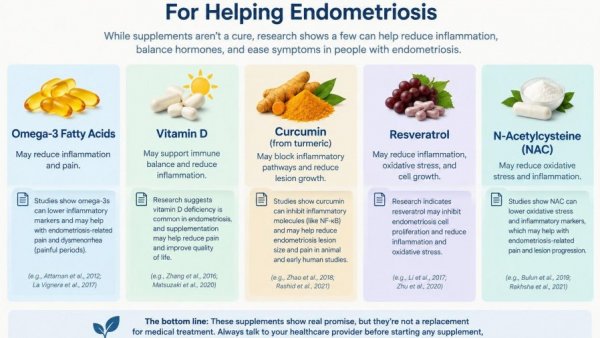
A critical review of 34 studies has shed light on which supplements truly help ease endometriosis symptoms—a condition impacting roughly 10% of women of reproductive age. Medical treatments, like hormonal therapy and pain management strategies, exist, but many look to dietary supplements as complementary options for managing their pain and inflammation. The research analyzed a spectrum of popular supplements, allowing for a clearer overview of their effectiveness.
Among the supplements examined, vitamins C and E stood out. The combination of these two antioxidants has shown the most consistent results in clinical trials, effectively reducing endometriosis-related pain. By combating free radicals generated from this inflammatory condition, vitamins C and E play a pivotal role in easing discomfort. This finding is particularly heartening for those seeking natural alternatives or additional support alongside their prescribed treatments.
The Role of Omega-3 Fatty Acids and Alpha-Lipoic Acid
Omega-3 fatty acids, famed for their anti-inflammatory properties, also made a mark in the research. Two out of three trials indicated that Omega-3s help alleviate pain, making them a worthy consideration for those dealing with the chronic discomfort associated with endometriosis. These fatty acids can be found in sources like fatty fish, walnuts, and flaxseeds, making them accessible dietary options. Similarly, alpha-lipoic acid displayed promising pain-relief in several studies; however, its lack of randomized controlled trials specifically for endometriosis means that more research is warranted before making firm recommendations.
Vitamin D: A Complex Picture
Vitamin D presents an intriguing case. While low levels are linked to an increased risk of developing endometriosis, only two out of four trials showed that supplementing with vitamin D provided benefits. It's a reminder that supplementing isn't just about correcting nutritional deficiencies but also ensuring the right dosage and duration is followed. Many women may not realize that their vitamin D levels can also be influenced by factors such as sun exposure, diet, and certain health conditions, adding another layer to this complexity.
Curcumin and Other Emerging Supplements
Curcumin, known for its anti-inflammatory properties, shows potential, but the initial research has yielded mixed results. It is the active compound found in turmeric, and incorporating turmeric into meals may be an enjoyable way to potentially benefit. N-acetylcysteine (NAC) also shows promise in related conditions, yet it lacks robust data specific to endometriosis. This highlights the importance of ongoing research, as new insights could lead to recommendations that enhance the quality of life for those affected by this challenging condition.
What to Prioritize When Seeking Relief
When considering supplements for endometriosis, the review highlights that vitamins C and E should be at the forefront due to their established effectiveness. Omega-3s are also recommended due to their anti-inflammatory benefits and generally positive safety profile. Tracking nutrient levels and addressing deficiencies through blood tests can significantly impact your health and well-being. For women living with endometriosis, understanding their unique nutritional needs is vital.
Creating a Holistic Strategy for Management
While incorporating supplements can help, they are not a panacea. It's crucial to remember that supplements should supplement—not replace—conventional medical treatment. For those navigating the complexities of endometriosis, combining multiple strategies, including seeking professional advice from nutritionists or functional medicine practitioners, can lead to improved outcomes. Additional lifestyle changes, such as stress reduction techniques, regular exercise, and adequate sleep, can also play a significant role in managing symptoms.
Taking Action for Your Health
As you explore the world of supplements for endometriosis, consider scheduling a consult with a nutritionist or dietitian specializing in gut health. Obtaining personalized advice can help tailor your approach, optimize your nutritional intake, and support your overall wellness journey. Engaging in supportive communities, whether in-person or online, can also provide encouragement and shared experiences, further enhancing your path to health and healing.




Write A Comment